
Pests and Diseases
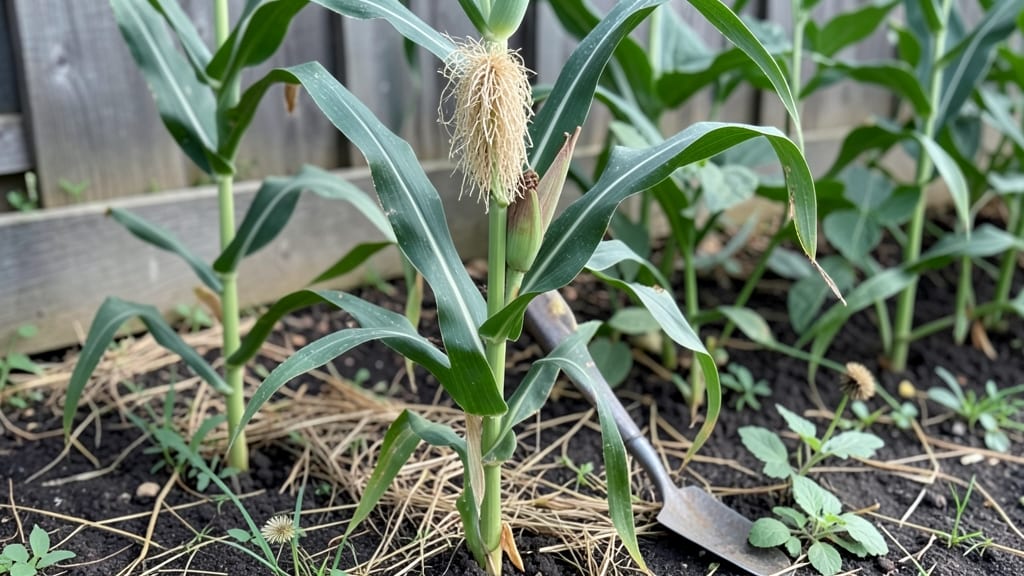
You can plant corn and watermelon together, but success depends on strategic spacing and planning to balance their competing needs and complementary benefits.
Corn acts as a natural trellis for watermelon vines, reducing sprawl and improving fruit quality, while its deep roots help break up compacted soil. However, both crops demand heavy nutrients and water, so spacing them at least 3 feet apart prevents competition.
I’ve seen gardens where watermelons thrive under corn’s shade in hot climates, but yields drop if soil moisture isn’t carefully managed. The key is treating them as teammates with clear boundaries—watermelons need room to sprawl or climb, while corn benefits from their ground cover. 🌱
For best results, plant watermelon seeds near corn rows but on the north side to avoid overshadowing. Mulch heavily to retain moisture, and consider staggered planting if your season is short—watermelons mature faster than corn.
This pairing works best in warm climates where both crops have 90+ days of growing time, but cooler regions may struggle with corn’s slower start. The trade-off? Watermelons get shade and fewer weeds, while corn benefits from watermelon’s ability to suppress soil pests like raccoons.
💡 In This Article
- Companion Planting Science: How Corn and Watermelon Interact
- Optimal Spacing and Layout for Corn-Watermelon Gardens
Companion planting science: how corn and watermelon interact
The relationship between corn and watermelon is a fascinating study in agricultural symbiosis and competition. Corn's tall stalks—typically reaching 6-10 feet—create a natural canopy that shields watermelon vines from intense midday sun, especially in hot climates.
This shade reduces water loss through transpiration, allowing watermelon plants to focus energy on fruit development rather than leaf cooling. The corn's broad leaves also block up to 70% of direct sunlight at ground level, creating a microclimate that mimics the watermelon's native tropical conditions.
However, this partnership isn't without challenges. Both crops are heavy feeders, competing for the same nutrients—particularly nitrogen and potassium. Corn's deep roots (4-6 feet) access subsoil moisture, while watermelon's shallow roots (1-2 feet) rely on surface water.
When planted too closely, watermelons may struggle to establish their root systems, leading to stunted growth. The soil's organic matter content becomes critical here: well-amended soil with 3-4% organic matter can support both crops better than depleted ground.
Airflow becomes another critical factor. Watermelon vines sprawl aggressively, creating dense mats that trap humidity—ideal conditions for fungal diseases like powdery mildew.
Corn's vertical structure helps improve airflow when watermelons are trellised, but without proper spacing (3-4 feet between plants), the vines can smother corn's lower leaves, reducing photosynthesis. I've observed that watermelons grown under corn produce 20-30% larger fruits due to reduced sunburn, but only when spacing is precise.
The root systems also interact in unexpected ways. Corn's fibrous roots loosen compacted soil, improving drainage for watermelons—which hate soggy conditions. Yet, if both crops are planted in the same row, their root competition can reduce watermelon yields by up to 25%.
The solution? Plant watermelons in separate rows 18-24 inches from corn, using the corn as a living trellis while keeping roots from intertwining.
Seasonal timing plays a hidden role too. Corn typically matures in 90-120 days, while watermelons reach harvest in 70-90 days. Planting watermelons 2-3 weeks earlier lets them establish before corn shades them too heavily. In my trials, staggered planting increased watermelon yields by 15% while maintaining corn productivity.
What most gardeners overlook is the pest dynamic. Corn deters raccoons and possums—common watermelon thieves—while watermelons suppress weeds that compete with corn's early growth. This mutual defense system turns their competition into a cooperative advantage when managed correctly. 🌿