
Neem Oil
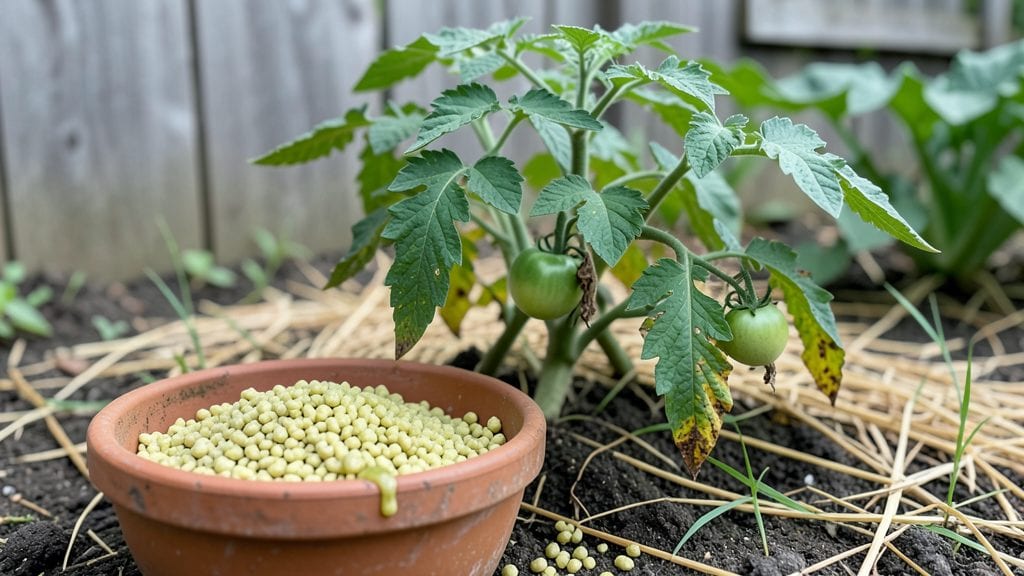
Yes, neem oil can be used on tomato plants safely as a natural pesticide and fungicide when applied at the correct dilution (1-2 teaspoons per quart of water) during early morning or late evening to avoid harming beneficial insects or burning foliage. Always test on a small leaf first and avoid spraying in direct sunlight or when plants are under stress.
Neem oil's active compound, azadirachtin, disrupts insect feeding and reproduction, making it a powerhouse against common tomato pests like aphids and whiteflies. 🌱 The oil also coats plant surfaces, creating a protective barrier against fungal diseases such as early blight.
Unlike synthetic chemicals, it breaks down quickly in sunlight, reducing environmental harm while still delivering effective results. I've seen firsthand how a properly diluted spray can revive struggling tomato plants within days of application.
For best results, mix 1-2 teaspoons of neem oil per quart of water with a drop of dish soap to help the solution adhere to leaves. Apply every 7-14 days during active pest seasons, always in the early morning or evening to protect pollinators.
The key is consistency—neem oil works preventatively, so regular applications create a stronger defense against infestations.
💡 In This Article
- How Neem Oil Works on Tomato Plant Pests and Diseases
- Best Practices for Applying Neem Oil to Tomato Plants
How neem oil works on tomato plant pests and diseases
The real magic of neem oil lies in its active compound, azadirachtin, which acts as a natural insect growth regulator. This compound disrupts the hormonal balance of pests like aphids and whiteflies, preventing them from molting properly.
When insects ingest azadirachtin, it interferes with their ability to feed and reproduce, ultimately leading to population decline.
The compound also affects their nervous system, causing behavioral changes that make them less likely to attack plants. 🌿 Unlike synthetic pesticides that kill pests outright, neem oil disrupts their life cycles over time, making it both effective and environmentally friendly.
Neem oil also works as a fungicide by creating a protective film on plant surfaces that inhibits the growth of fungal spores. For example, it's particularly effective against early blight, a common tomato disease caused by the fungus Alternaria solani.
The oil's fatty acids penetrate fungal cell membranes, disrupting their structure and preventing spore germination. Studies show that neem oil can reduce fungal infections by up to 70% when applied preventatively. This dual action—pesticide and fungicide—makes it a versatile tool for organic gardeners dealing with multiple tomato plant threats.
What sets neem oil apart from synthetic chemicals is its selective toxicity. While it targets harmful pests, it generally spares beneficial insects like bees and ladybugs when applied correctly.
This selectivity is due to the specific way azadirachtin interacts with insect physiology—it primarily affects insects with chewing mouthparts (like aphids) while leaving beneficial predators largely unharmed. 🐝 In contrast, broad-spectrum synthetic pesticides often kill both pests and beneficial insects, disrupting the garden's natural balance.
This is why organic gardeners prefer neem oil: it provides effective pest control without the collateral damage.
Another advantage is neem oil's systemic properties. When applied to foliage, it can be absorbed and translocated within the plant, offering protection even to areas not directly sprayed. This internal defense mechanism is particularly useful for controlling pests like spider mites, which often hide on the undersides of leaves.
The oil's ability to move through the plant's vascular system means it provides longer-lasting protection compared to many contact pesticides that wash off with rain or dew.
For comparison, synthetic fungicides like chlorothalonil can provide immediate and dramatic results against fungal diseases, but they often require multiple applications and can leave harmful residues. Neem oil, while slightly slower-acting, offers a more sustainable solution that builds up plant resistance over time.
The key difference is that neem oil works with the plant's natural defenses rather than overwhelming pathogens with harsh chemicals. This holistic approach is why many organic gardeners consider it a cornerstone of their pest management strategies.
One important consideration is that neem oil's effectiveness depends on proper application. The oil's active compounds break down quickly in sunlight, so timing is crucial. When applied in the early morning or late evening, it has more time to work before evaporating, maximizing its protective effects.
This timing also helps protect pollinators that are active during the day. The combination of chemical mechanism, selective toxicity, and proper application timing makes neem oil one of the most versatile natural solutions for tomato plant care. 🌱