
Pests
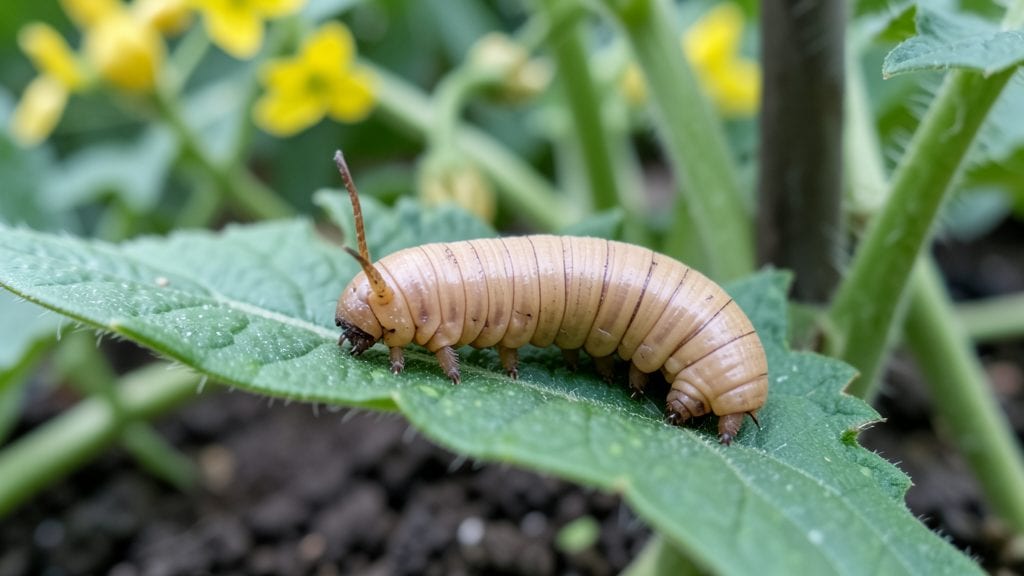
Brown worms on tomato plants mean your harvest could be disappearing faster than you can say "sauce night." 🌱 I've lost entire plants to these striped bandits—until I learned their life cycle and how to outsmart them.
The key isn't just removing them, but understanding why they show up in the first place.
These aren't your average garden pests—think hornworms with their green-and-white camouflage or cutworms that chew stems like they're cutting through butter. They thrive when tomato plants are stressed, whether from overwatering, poor soil, or too much nitrogen.
The good news? Organic solutions work better than chemicals when you know exactly what you're dealing with.
You'll walk away with a three-step plan that keeps your plants healthy without harming pollinators. First, we identify the worm (yes, there's a difference). Then we remove them by hand or with targeted traps.
Finally, we strengthen your plants so they bounce back stronger than before. Your tomatoes will thank you at harvest time.
This works for backyard gardens, containers, or even balcony growers—just adjust the scale. The same principles apply whether you're dealing with one plant or a full plot. Let's get those worms under control before they ruin your season.
Root Causes Of Worm Infestations
Brown worms wriggling through your tomato plants aren’t just a random nuisance—they’re often the result of specific environmental, biological, or agricultural factors. Understanding why these pests appear is the first step to stopping them before they destroy your harvest. Let’s break down the key culprits behind these unwelcome visitors.
Healthy soil is your garden’s first line of defense, but when it’s neglected, it becomes a worm buffet. Brown worms—like cutworms, hornworms, or armyworms—thrive in soil that’s:
- Overly moist: Excess water creates the perfect damp hideout for worm eggs and larvae. Why? Moisture slows microbial activity, reducing natural predators (like nematodes and fungi) that would otherwise keep worm populations in check.
- Rich in decaying plant matter: While compost is great, fresh organic debris (like fallen leaves, grass clippings, or uneaten tomato fruit) attracts worms. Why? These materials provide both shelter and a food source for their young.
- Lacking beneficial microbes: Soils with low biodiversity struggle to support Beauveria bassiana (a fungus that infects worms) or Steinernema nematodes, which naturally prey on larvae.
Actionable fix: Amend soil with aged compost (not fresh), improve drainage, and avoid overwatering. A quick soil test can reveal pH imbalances—aim for 6.0–7.0 to discourage worm-friendly fungi.
Tomato plants under stress—whether from nutrient deficiencies, disease, or physical damage—emit chemical signals that attract egg-laying pests. Brown worms, especially hornworms and fruitworms, are drawn to:
- Overripe or damaged tomatoes: Worms detect ethylene gas (released by rotting fruit) and sugary exudates (sap oozing from wounds), which act like a dinner bell.
- Stressed foliage: Plants weakened by blight, aphids, or herbicide drift produce higher levels of jasmonic acid, a compound that attracts herbivores like moths (which lay worm eggs).
- Late-season growth: As tomatoes near maturity, their soluble sugar content rises, making them irresistible to worms seeking a high-energy meal before winter.
Actionable fix:
- 🍅 Harvest promptly: Pick tomatoes as soon as they ripen to remove the “all-you-can-eat” buffet.
- 🌿 Prune damaged leaves: Remove yellowing or chewed foliage below the soil line to prevent worms from burrowing into stems.
- 💧 Balance fertilizers: Overuse of nitrogen (common in fast-growing plants) makes tomatoes more susceptible. Use a low-nitrogen, high-potassium fertilizer (like 5-10-10) to toughen plants.
Most brown worms start life as tiny eggs laid by adult moths or beetles. If your garden is a hotspot for these pests, you’ll see a worm explosion in weeks. Common culprits include:
| Pest | Egg-Laying Triggers | Worm Type Produced |
|---|---|---|
| Tomato Hornworm Moth (Manduca sexta) | Lays eggs on new growth and flower buds; prefers warm, humid nights. | Large green/brown caterpillars (up to 4” long). |
| Armyworm Moth (Spodoptera exigua) | Targets weedy areas and overwatered soil; active in late summer. | Small, brown/black striped larvae that “army” in groups. |
| Colorado Potato Beetle (Leptinotarsa decemlineata) | Lays eggs on undersides of leaves; thrives in dry, sandy soil. | Yellow-and-black striped larvae that turn brown as they mature. |
Actionable fix:
- 🌙 Disrupt mating cycles: Use pheromone traps for hornworm moths or yellow sticky traps to catch adult beetles before they lay eggs.
- 🌿 Remove hiding spots: Clear weeds and debris within 3 feet of tomato plants—these pests lay eggs in “safe zones.”
- 🕒 Time your planting: Avoid transplanting seedlings in peak moth season (late spring/early summer). Start seeds indoors or use row covers for the first 4–6 weeks.
Worms don’t just appear—they’re opportunistic and time their life cycles to match your tomato plant’s growth. Key seasonal triggers:
- Warm nights + cool days: Ideal for moth activity. Why? Moths are nocturnal and seek out plants when temperatures drop below 80°F but soil stays warm.
- High humidity: Eggs and larvae desiccate in dry conditions but thrive with 50%+ moisture. Pro tip: Worms are most active after rainfall or irrigation.
- Late-season harvests: As days shorten in August–September, worms accelerate growth to pupate before frost. Result: A last-minute infestation when you’re least expecting it.
Actionable fix:
- 🌡️ Monitor weather patterns: Use a soil thermometer—worms peak when soil temps hit 70–85°F.
- 💦 Water in the morning: Reduces humidity at night, making it harder for moths to lay eggs.
- ⏳ Extend the season strategically: Plant heat-tolerant varieties (like ‘Heatmaster’ or ‘Solar Fire’) to avoid the late-summer worm surge.
Quick Fixes for Tomato Plant Worms
Finding brown worms munching on your tomato plants can feel like a nightmare, but don’t panic—there are effective, organic solutions to reclaim your garden. The key is identifying the culprit (hornworms, cutworms, or beet armyworms) and acting fast. Below, we’ve broken down practical fixes tailored to each type of worm, along with prevention tips to keep your plants thriving. Let’s get your tomatoes back on track!
If your tomato leaves have ragged holes and you spot green or brown striped caterpillars (hornworms), these are the top destroyers. They grow up to 4 inches long and can defoliate a plant in days!
👨🍳 How to Remove Them Fast
- Morning raids: Check plants early (worms are sluggish in cool temps). Use gloves or tongs to pluck them off—drop them into soapy water to kill them instantly.
- Drown or dispose: Avoid crushing them (they release pheromones that attract more). Instead, drown in soapy water or bury in soil (they won’t survive).
- Repeat daily: Hornworms lay 500–1,000 eggs in a season! Check plants every 2–3 days for new hatchlings.
💡 Prevention Tips for Hornworms
- Plant companions: Interplant with basil, marigolds, or dill—their scents repel hornworms.
- Attract predators: Install birdhouses or bat boxes near your garden. Birds and bats love eating hornworms!
- Neem oil spray: Apply neem oil (mix 1 tbsp with 1 quart water + drop of dish soap) every 5–7 days to disrupt their life cycle.
If your tomato seedlings suddenly wilt or snap at the base, you’re dealing with cutworms—small, brown or black worms that hide in soil during the day and sever stems at night.
🔪 How to Stop Cutworm Damage
- Collar young plants: Wrap the base of seedlings with cardboard egg cartons or toilet paper rolls (cut lengthwise). Worms can’t chew through them!
- Flashlight patrol: Shine a light on the garden at dusk or dawn—cutworms will uncurl to feed. Pick them off by hand and drop in soapy water.
- Diatomaceous earth: Sprinkle food-grade DE around plant bases (it’s non-toxic but deadly to worms). Reapply after rain.
🌡️ Prevention for Cutworms
- Avoid overwatering: Cutworms thrive in moist soil. Water early in the day so soil dries faster.
- Copper tape: Wrap copper tape around plant stems—it gives a mild electric shock that repels worms.
- Chicken manure tea: Brew a weak tea (1 tbsp manure per gallon of water) and spray on soil. The strong smell deters cutworms.
If your tomatoes have small, irregular holes and you see tiny brown worms with yellow stripes, beet armyworms are the culprits. They multiply rapidly and can strip plants in weeks.
⏰ How to Outsmart Beet Armyworms
- BT (Bacillus thuringiensis): Spray BT (a natural bacteria) on leaves. It’s safe for humans but kills worms when they eat it. Reapply every 5–7 days.
- Row covers: Use fine mesh netting over young plants to block adult moths from laying eggs.
- Handpick eggs: Check undersides of leaves for tiny yellow egg clusters. Scrape them off and dispose in soapy water.
✨ Prevention for Beet Armyworms
- Rotate crops: Avoid planting tomatoes in the same spot yearly—worms overwinter in soil.
- Tilling: After harvest, till the soil to expose pupae to birds and predators.
- Reflective mulch: Use aluminum foil or silver plastic mulch—it confuses adult moths and reduces egg-laying.
No matter the worm, keeping your garden clean is the best long-term defense:
- Remove debris: Clear fallen leaves and plant waste weekly—worms hide there.
- Encourage predators: Plant native flowers (like alyssum or cosmos) to attract ladybugs, lacewings, and parasitic wasps.
- Inspect regularly: Spend 10 minutes daily checking leaves and stems. Early action = bigger harvests!
With these targeted fixes, your tomato plants will bounce back faster than you think. Remember: patience and consistency are key—worms won’t stand a chance against a well-prepared garden! 🌱🍅
Frequently asked questions
What do brown worms on tomato plants look like?
Brown worms on tomato plants vary by type. Cutworms are smooth, dark brown, and curl when disturbed. Hornworms (often green with white stripes) turn brown as they mature, while beet armyworms are small, brown with yellow stripes. Look for ragged leaf edges or missing fruit—these are their calling cards.
Are these worms harmful to humans?
No, these garden worms are not harmful to humans. They’re harmless to eat if accidentally consumed (though not recommended), but they can devastate your tomato harvest. The real danger is their rapid reproduction—one worm can mean dozens more in weeks if left unchecked.
How do I tell if it’s a hornworm or cutworm?
Check their size and behavior: Hornworms grow up to 4 inches long, have white diagonal stripes, and chew leaves. Cutworms are smaller (1–2 inches), brown/black, and sever stems at night. Pro tip: Shine a flashlight at dusk—cutworms will uncurl to feed, while hornworms hide on leaves.
Will neem oil kill brown worms?
Neem oil disrupts worm life cycles but won’t kill mature caterpillars instantly. For immediate results, handpick worms and drop them in soapy water. Use neem oil as a preventative spray (mix 1 tbsp with 1 quart water) every 5–7 days to deter egg-laying moths.
Can I use chemical pesticides?
Chemical pesticides can work, but they harm beneficial insects like bees and ladybugs. For organic gardens, stick to Bacillus thuringiensis (BT) or spinosad, which target worms without killing pollinators. Always follow label instructions and reapply after rain.