Picking
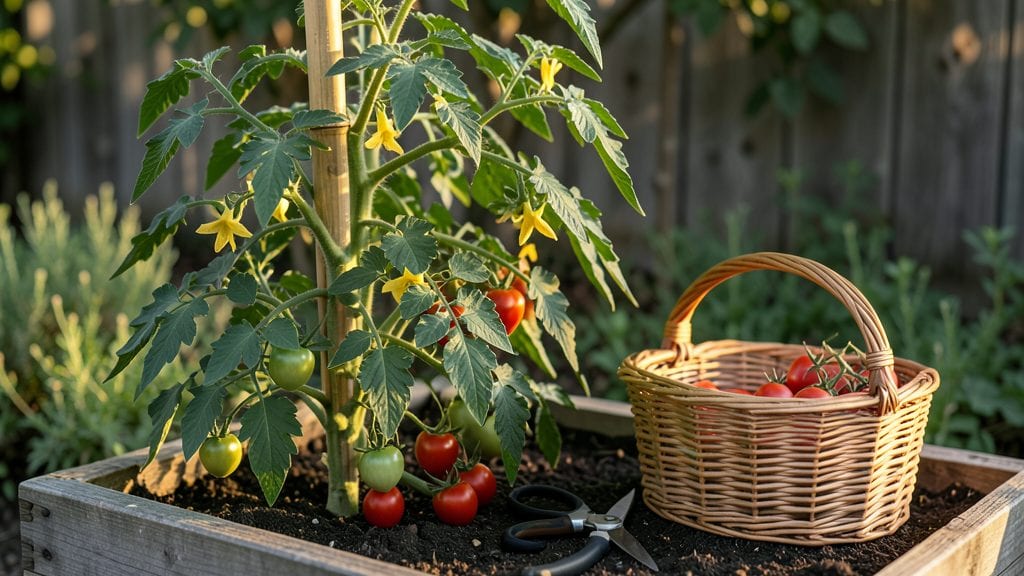
To pick tomatoes off the plant, harvest them when fully ripe—typically when they turn deep red (or their natural color), yield slightly to gentle pressure, and emit a sweet fragrance. This timing guarantees the best flavor and prevents overripening, which can attract pests or cause the fruit to split.
Timing your tomato harvest is all about balancing ripeness with environmental conditions. 🌱 Tomatoes ripen unevenly, so checking individual fruits daily—especially in hot climates—can prevent missed opportunities. I’ve found that heirloom varieties often ripen slower than hybrids, so patience pays off with deeper, more complex flavors.
The scent test is my go-to trick: a truly ripe tomato releases a sweet, almost floral aroma when gently squeezed.
Harvesting at the right moment also protects the plant’s energy and reduces disease risk. Overripe tomatoes left on the vine can split from heavy rain or attract fruit flies, while green tomatoes picked too early lack the sugar and lycopene that develop during full ripening.
For indoor ripening, select firm but slightly underripe tomatoes and place them in a paper bag with a banana or apple to speed up ethylene production.
💡 In This Article
- Tomato Ripeness Stages: Color, Texture, and Flavor Indicators
- Best Practices for Harvesting Tomatoes to Extend Shelf Life
Tomato ripeness stages: color, texture, and flavor indicators
Here's what's actually happening inside a tomato as it ripens: chlorophyll breaks down while lycopene—the red pigment—develops, triggered by ethylene gas production. This chemical process transforms green fruits into their vibrant final colors, whether deep red, yellow, or purple.
Heirloom varieties like 'Brandywine' may take 70-85 days to ripen fully, while hybrids like 'Celebrity' mature in just 55-65 days. Temperature matters too—ideal daytime highs of 75-85°F speed ripening, but nights below 55°F slow it down dramatically.
The science behind texture changes involves cell wall breakdown. A ripe tomato's flesh yields slightly to pressure because pectin substances soften, but it shouldn't feel mushy. 🌿 Heirlooms often develop a firmer yet sweeter texture than hybrids, which can become mealy if overripe.
The scent test reveals ethylene activity—ripe tomatoes emit a sweet, almost tropical aroma from volatile compounds like hexanal and linalool. These same compounds make ripe tomatoes taste 2-3 times sweeter than green ones due to increased sugar content (from 2% to 4% soluble solids).
Premature harvesting cuts off this flavor development. Green tomatoes contain minimal lycopene (just 10-20 mg per 100g) compared to ripe ones with 200-400 mg, and their starches haven't converted to sugars.
What most people don't realize is that tomatoes continue ripening off the vine—even after picking—but their ethylene production peaks at full vine ripeness. This is why store-bought tomatoes often taste bland: they're typically harvested green for shipping and never reach their full flavor potential.
Sunlight exposure creates dramatic differences too. Tomatoes grown in full sun develop 30% more lycopene than those in partial shade, giving them deeper color and richer taste. The key factor is photosynthesis efficiency—more sunlight means more sugar production during ripening.
For heirlooms, this means complex flavors with notes of basil and citrus, while hybrids often taste more uniformly sweet. Morning harvests yield firmer tomatoes because nighttime cooling makes them slightly less tender, while afternoon picking gives you the sweetest fruits since sugars accumulate during daylight.
Temperature fluctuations also affect ripening speed. A sudden drop below 50°F can cause blossom-end rot, while consistent highs above 90°F lead to sunscald. These stresses create uneven ripening patterns—some fruits may develop green shoulders or cracked skin.
The ideal balance is daytime highs of 80-85°F and nighttime lows above 60°F, which creates perfect conditions for even color development and optimal flavor compound formation.
Don't overlook the stem connection either. A ripe tomato should separate cleanly from the vine with a slight twist—this indicates the stem scar has fully healed. 💫 If you pull too hard, you risk damaging the plant.
For varieties prone to cracking (like 'Sungold'), harvest slightly before full ripeness and let them finish indoors where you can control humidity levels. This prevents the skin from splitting when heavy rains occur after prolonged dry periods.