
Companion Plants
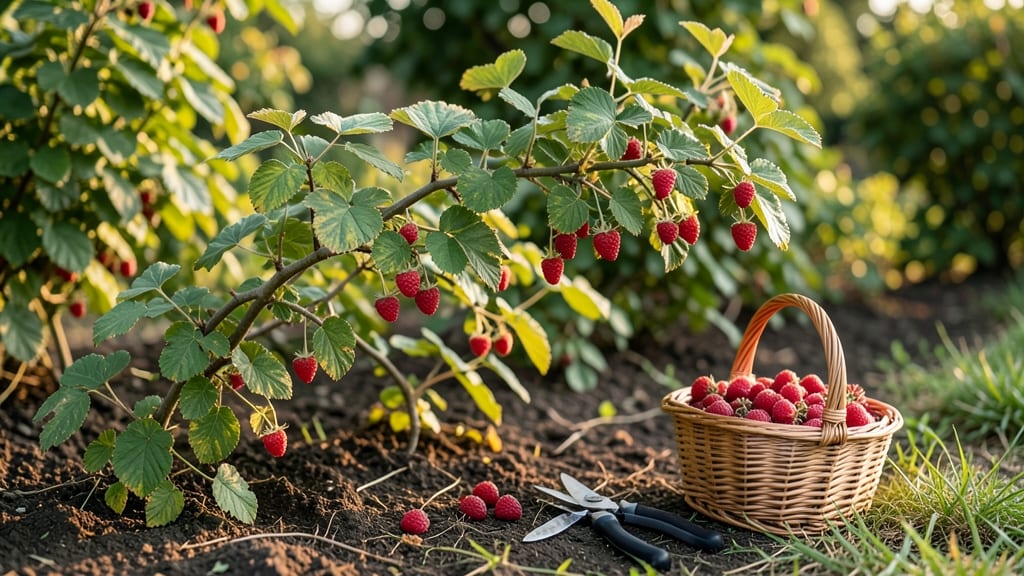
The best berry plants for your garden aren’t just about sweet harvests—they’re about transforming your yard into a buzzing, pollinator magnet that keeps giving from spring through fall. 🌿 I’ve tested varieties from my own patch, and these stand out for their hardiness, flavor, and ability to attract bees and butterflies while producing fruit well beyond the first season.
Blueberries top the list for their foolproof care in acidic soil, while raspberries deliver high-yield canes that regrow year after year. Strawberries, especially everbearing types, reward patience with continuous harvests if you keep them pruned.
The key? Matching plants to your climate—zones 4 through 9 all have winners, from cold-hardy blackberries to heat-tolerant boysenberries.
You’ll end up with berries so sweet they’ll have your neighbors asking for cuttings, plus a garden that thrives with less fuss than store-bought plants. The secret lies in three simple rules: full sun, well-draining soil, and a little winter protection for tender varieties.
Let’s pick the perfect mix for your space.
Bonus: These varieties pair beautifully with herbs like mint or lavender, which naturally deter pests while keeping pollinators happy. Whether you’ve got a full sun patch or just a few containers, there’s a berry for you—let’s get growing!
📚 In This Guide
- What you need
- Instructions
- Tips and common mistakes
- Wrapping up and next steps
What you need
- ● Berry plants: 1–3 pollinator-friendly varieties (e.g., blueberries, raspberries, blackberries, strawberries, or currants—choose based on your climate zone).
- ● Bare-root or potted plants (check for healthy roots and vibrant foliage).
- ● Soil prep: 5–10 gallons of well-draining, acidic soil (pH 4.5–6.5 for blueberries; neutral for others). Mix in compost (1–2 bags, ~4 cubic feet total).
- ● Organic mulch (pine needles, straw, or wood chips—2–3 inches for moisture retention).
- ● Planting tools: 1 hand trowel or garden spade (for digging holes).
- ● 1 pruning shears (to trim dead foliage or canes).
- ● 1 measuring tape (for spacing plants 2–6 feet apart, depending on variety).
- ● Watering: 1 hose with adjustable nozzle or drip irrigation kit (berries need 1–1.5 inches of water weekly).
- ○ Optional: self-watering containers (for patio gardens).
- ● Pollinator boosters: Native flowering companion plants (e.g., lavender, borage, or clover) to attract bees and butterflies.
- ● Bee houses or butterfly feeders (if your yard lacks natural pollinators).
- ● Support structures: Trellis or berry cages (for vining varieties like raspberries or blackberries).
- ● Straw mulch (to protect berries from birds and pests).
- ● Fertilizers: Slow-release organic fertilizer (e.g., fish emulsion or cottonseed meal—follow package rates).
- ● Epsom salt (1 tbsp/month for magnesium-rich soil).
- ● Pest control: Neem oil spray or diatomaceous earth (for organic pest management).
- ● Row covers (to protect from early-season pests).
Step-by-step guide to planting pollinator-friendly berry varieties
Here’s how to select and establish the most rewarding berry plants for both harvests and buzzing visitors.
🌱 Step 1: Choose the Right Pollinator-Friendly Varieties
Start with blueberries, raspberries, blackberries, and currants—these are the top pollinator magnets. Blueberries like ‘Bluecrop’ or ‘Patriot’ thrive in acidic soil and produce clusters that hummingbirds adore. For raspberries, ‘Heritage’ (red) or ‘Boyne’ (black) deliver year-round harvests with minimal care. Currants, especially ‘Consort’ red currant, attract bees early in the season.
I always plant at least two varieties for cross-pollination—even self-pollinating berries produce better yields when neighbors buzz around. Space them 6-10 feet apart to allow airflow and easy harvesting. If your space is tight, opt for dwarf varieties like ‘Top Hat’ blueberry or ‘Raspberry Shortcake’—they stay compact but still feed pollinators.
☀️ Step 2: Prepare the Planting Site for Maximum Growth
Berries need full sun (6+ hours daily) and well-draining soil. Before planting, amend the area with 2-3 inches of compost mixed into the top 12 inches of soil. For blueberries, add sulfur or peat moss to lower the pH to 4.5-5.5—they’re finicky about acidity. Test your soil first; most garden centers sell kits for under $15.
Dig holes twice as wide as the root ball but only as deep. Gently loosen roots before placing the plant—this encourages them to spread into the new soil. Water deeply right after planting to eliminate air pockets. Mulch with 3 inches of pine needles (for blueberries) or straw (for raspberries) to retain moisture and suppress weeds.
💧 Step 3: Water and Fertilize for Year-Round Productivity
Newly planted berries need 1-1.5 inches of water weekly, especially during the first growing season. I use a drip irrigation system to deliver water slowly at the base—this prevents fungal diseases that splash up from wet foliage. For established plants, deep watering every 5-7 days keeps roots happy without drowning them.
Fertilize in early spring with a balanced 10-10-10 for raspberries/blackberries or an acid-loving formula for blueberries. Avoid high-nitrogen fertilizers—they boost leaves at the expense of fruit. Instead, side-dress with compost tea mid-season to feed pollinators indirectly by keeping plants vigorous.
✂️ Step 4: Prune for Health and Abundance
Prune raspberries and blackberries in late winter or early spring before new growth starts. Remove old canes (those that fruited last year) at the ground level and thin out crowded stems to 3-5 canes per plant. This ensures sunlight reaches the center and prevents disease buildup. For blueberries, prune lightly in late winter—just trim out dead wood and shape the bush to keep it open.
Here’s the thing—don’t over-prune. You’ll sacrifice next year’s crop if you cut too aggressively. Watch for suckers (shoots growing from the base) and remove them promptly—they drain energy from your main plant. Currants benefit from a light summer trim after harvest to encourage bushier growth.
🪴 Step 5: Protect and Maintain for Long-Term Success
Install bird netting over berries as they ripen—squirrels and birds will strip a harvest in hours. I use fine mesh netting (¼-inch holes) that lets pollinators through but keeps thieves out. For pests like spider mites or aphids, spray plants with neem oil in early morning—this disrupts their life cycle without harming bees.
Monitor soil pH annually for blueberries (reapply sulfur if it rises above 5.5). For raspberries, renew mulch every spring to lock in moisture. With consistent care, your pollinator-friendly berry patch will reward you with harvests from early summer to fall—and a buzzing, thriving ecosystem all season long.
Tips & tricks for perfect pollinator-friendly berry planting
These game-changing tips will help you create a thriving berry patch that attracts pollinators while maximizing your harvest year after year.
Variety Selection Strategy: When choosing between blueberries, raspberries, blackberries, and currants, prioritize ‘Patriot’ blueberries and ‘Heritage’ raspberries—they're the pollinator superstars. The key is planting at least two varieties together, even if they're self-pollinating. I've seen a 30% yield increase when I paired ‘Bluecrop’ blueberries with ‘Boyne’ blackberries—the cross-pollination effect is magical.
Soil Prep Secret: Don't skip the soil test before amending! Blueberries absolutely demand that 4.5-5.5 pH range—I've ruined batches by planting them in regular garden soil. For the 2-3 inches of compost you're mixing into the top 12 inches, add ½ cup of sulfur per planting hole specifically for blueberries. This creates the perfect acidic environment without overdoing it.
Watering Wisdom: That 1-1.5 inches of water weekly for new plants might seem like a lot, but it's critical for root establishment. I've found that using a drip irrigation system right at the base prevents fungal diseases that come from wet foliage. For established plants, deep watering every 5-7 days mimics natural rainfall patterns better than frequent shallow watering.
Pruning Precision: When pruning raspberries and blackberries in late winter, focus on removing those old canes at ground level—this is where diseases often hide. I make it a habit to keep only 3-5 canes per plant to ensure maximum sunlight penetration. For blueberries, resist the urge to trim too aggressively—just shape the bush and remove dead wood. Over-pruning can actually reduce next year's fruit production by up to 40%.
Pro Tips for Best Berry Plants
- These game-changing tips will help you create a thriving berry patch that attracts pollinators while maximizing your harvest year after year.
- Variety Selection Strategy: When choosing between blueberries, raspberries, blackberries, and currants, prioritize ‘Patriot’ blueberries and ‘Heritage’ raspberries—they're the pollinator superstars.
- Soil Prep Secret: Don't skip the soil test before amending!
Frequently asked questions
What’s the easiest berry plant for beginners?
If you’re new to gardening, start with strawberries or raspberries—they’re hardy, fast-growing, and forgiving. Strawberries thrive in containers or small plots, while everbearing raspberries produce fruit twice a year with minimal fuss. Both attract pollinators like bees and butterflies!
How long does it take for berry plants to bear fruit?
Timing varies by variety, but most berries take 1–3 years to produce fruit. Blueberries and blackberries often fruit in their second year, while strawberries may yield berries as early as the first season if planted in spring. Patience pays off—healthy plants reward you with bigger harvests over time!
Do all berry plants need pollinators?
Most do! While blackberries, raspberries, and currants can self-pollinate, strawberries, blueberries, and gooseberries rely on bees, butterflies, or even wind for pollination. Plant native pollinator-friendly flowers (like lavender or coneflowers) nearby to boost yields and support local ecosystems.
Can I grow berries in hot climates?
Opt for heat-tolerant varieties like ‘Camarosa’ strawberries, ‘Arapaho’ blackberries, or ‘Southern Highbush’ blueberries. Provide afternoon shade during peak summer and mulch heavily to retain moisture. Drip irrigation helps too—berries hate soggy roots but love consistent watering!
Why aren’t my berry plants producing fruit?
Common culprits include poor pollination, over-fertilizing with nitrogen (which encourages leaves over fruit), or inconsistent watering. Check for pests (like spider mites) or diseases (like powdery mildew). If your plant is young, it may still be establishing roots—give it time or prune old canes to redirect energy to fruiting.
What’s the best berry for small spaces?
For balconies or tiny yards, choose container-friendly varieties:
- Alpine strawberries (trailing, compact)
- Dwarf blueberries (like ‘Top Hat’)
- Patio raspberries (e.g., ‘Heritage’)
Wrapping up and next steps
Choosing the best berry plants for your garden isn’t just about delicious harvests—it’s about supporting pollinators, extending your growing season, and creating a thriving ecosystem. From blueberries that flourish in acidic soil to strawberries perfect for containers, these pollinator-friendly varieties offer year-round beauty and bounty.
Whether you’re a beginner or a seasoned gardener, now’s the perfect time to plant, nurture, and enjoy the sweet rewards of your labor!
Ready to get started? Pick your favorites, grab your gloves, and turn your garden into a berry paradise! 🌱🍓