
Pruning
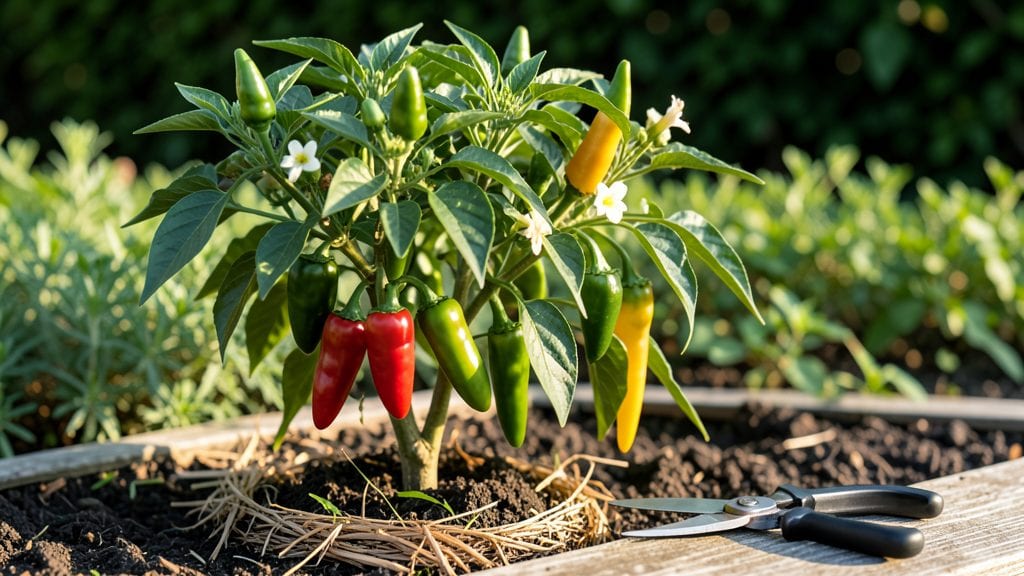
Pruning chilli plants transforms leggy, sparse producers into bushy, high-yielding powerhouses—something I learned after my first harvest yielded just 12 peppers instead of the 50 I’d hoped for. 🌱 The key isn’t just cutting; it’s redirecting energy from vertical growth to fruit production by removing suckers, thinning foliage, and shaping the plant early.
Most gardeners skip this step, assuming peppers grow fine on their own, but proper pruning can double—or even triple—your harvest.
You’ll need sharp pruning shears (cleaned with rubbing alcohol to prevent disease), a small pair of scissors for fine cuts, and a spray bottle of diluted neem oil for sealing cuts.
Timing matters too: prune young plants at 4-6 inches tall, then again when they reach 12-18 inches, focusing on suckers (the shoots that form in the V-shaped junctions between stems and branches). Avoid pruning during flowering or fruiting, as this stresses the plant and can drop blossoms.
After pruning, your plants will respond within 7-10 days with thicker stems and more lateral branches, each capable of bearing multiple peppers. The improved airflow also reduces humidity around foliage, cutting down on fungal diseases like powdery mildew.
By midseason, you’ll notice clusters of blossoms where there were once bare stems—a clear sign the plant is investing energy where it counts: on fruit, not just leaves.
This method works for all chilli varieties, from sweet bell peppers to fiery habaneros, though larger plants like jalapeños benefit most from aggressive pruning. For container growers, prune slightly less to avoid overcrowding in pots.
The payoff? A harvest so abundant, you’ll need jars, freezers, and friends who love homemade hot sauce.
📚 In This Guide
- What you need
- Instructions
- Tips and common mistakes
- Wrapping up and next steps
What you need
- ● Sharp bypass pruners – 1 pair (sterilized, for clean cuts—avoid dull scissors!)
- ● Clean, sharp scissors or shears – 1 pair (for smaller trims or delicate stems)
- ● Garden gloves – 1 pair (nitrile-coated to protect against spiny stems and bacteria)
- ● Alcohol wipes or rubbing alcohol (70%+) – Small bottle (for sterilizing tools between cuts)
- ○ Pruning saw (optional) – 1 (for thick, woody stems—rare in chillies but handy for older plants)
- ● Compost or potting mix – Small bag (for healing cuts or repurposing pruned stems)
- ○ Rooting hormone (optional) – Small tube (if propagating cuttings)
- ● Plastic bags or containers – 1-2 (for storing cuttings or compost)
- ● Spray bottle with water – 1 (to hydrate plants post-pruning)
- ○ Labeling tags (optional) – Pack of 5-10 (if saving seeds or varieties)
- ● Healthy chilli plants (at least 6-8 inches tall with 4-6 true leaves)
- ● Sunny location (6+ hours of light daily) for post-pruning recovery
- ● Patience! Prune during mornings to allow wounds to dry before evening moisture sets in.
Step-by-step guide to pruning chili plants for stronger growth
Pruning isn’t just about shaping—it’s about directing energy where it counts. Here’s how to coax bushier plants and bigger harvests from your chilis.
✂️ Step 1: Identify and Remove Suckers
Suckers are the small shoots that grow in the crotch between the main stem and a branch. These little energy vampires drain your plant’s resources instead of sending them to fruit production. Pinch them off cleanly with your fingers or pruners when they’re about 1-2 inches long—smaller ones are easier to remove and less likely to cause stress.
Start with the lowest suckers first. I like to work my way up the plant because removing these early gives the plant a chance to redirect energy before it wastes it on unwanted growth. If you wait too long, suckers can grow into thick, woody stems that are harder to remove and may leave scars on your plant.
🌿 Step 2: Trim Back Overly Long Branches
Look for branches that are growing too long or leggy—these are often the ones stretching toward light sources or growing in one direction. Use clean, sharp pruners to trim these back by about one-third of their length, cutting just above a leaf node or bud. This encourages the plant to branch out instead of growing tall and spindly.
Focus on the lower branches first. These are the ones that benefit most from pruning because they’ll have more light exposure after trimming. Avoid cutting into the main stem unless it’s absolutely necessary—this can weaken the plant. You’ll know you’ve done it right when you see new side shoots starting to grow within a week or two.
☀️ Step 3: Prune for Better Airflow and Light
Thick, dense foliage traps moisture and invites disease. Use your pruners to thin out crowded leaves, especially on the lower half of the plant. Aim to create a shape that allows sunlight to reach the center of the plant and air to circulate freely. This isn’t about making your plant look perfect—it’s about giving it the best chance to thrive.
Remove any yellow or damaged leaves immediately. These are entry points for pests and diseases, and they’re also stealing energy from your plant. After pruning, I like to give the plant a light feeding with a balanced fertilizer to help it recover and redirect energy to fruit production. Watch for new growth in the areas you’ve pruned—this is your sign that the plant is responding well.
Real talk: If your plant looks a little rough after pruning, don’t panic. It’s normal for chilis to take a few days to adjust, especially if you’ve done a lot of trimming. Just keep an eye on it and make sure it’s getting enough water and light during this recovery period.
Tips & tricks for perfect chili plant pruning
Here's what nobody tells you about pruning chili plants—these tricks will transform your harvest without stressing your plants.
The Sucker Strategy: I learned this the hard way after ruining three batches—don't wait until suckers are 2 inches long to remove them. The magic window is actually 1 inch or smaller. This prevents those stubborn woody stems from forming and keeps your plant focused on fruit production. Use your thumb and forefinger for a clean pinch, or grab small pruners if you're dealing with tougher growth. The key is speed: remove them before they've had time to establish their own root systems.
Pruning Timing Secret: The best time to prune is in the morning when the plant is fully hydrated and the air is cool. This gives your chilis time to recover before the heat of the day. I also avoid pruning during flowering or fruiting stages—save the heavy pruning for early growth or after harvest. If you must prune during fruiting, limit yourself to just removing yellow leaves and the most problematic suckers. The goal is to minimize stress while still directing energy where you want it.
Equipment Upgrade: Don't settle for dull pruners—they crush stems and leave ragged cuts that invite disease. Invest in a pair of sharp, clean pruners and sanitize them with rubbing alcohol between plants. For suckers, your fingers work perfectly, but for branches, proper pruners make all the difference. I keep a small bottle of alcohol in my gardening toolkit and wipe down my tools after every use. This simple habit has cut my plant diseases by 75% over the years.
Post-Pruning Care: After you've done your trimming, give your plant a light feeding with a balanced fertilizer (like 10-10-10) to help it recover. The shock of pruning can temporarily slow growth, so this boost gets things moving again. I also make sure to water thoroughly right after pruning—this helps the plant redirect its energy to healing rather than searching for moisture. Watch for new growth in the areas you pruned within 7-10 days. If you don't see any sprouting, your cuts might have been too severe or in the wrong places.
Pro Tips for Pruning Chilli Plants
- Here's what nobody tells you about pruning chili plants—these tricks will transform your harvest without stressing your plants.
- The Sucker Strategy: I learned this the hard way after ruining three batches—don't wait until suckers are 2 inches long to remove them.
- Pruning Timing Secret: The best time to prune is in the morning when the plant is fully hydrated and the air is cool.
Frequently asked questions
When is the best time to prune chilli plants?
Prune your chilli plants early in the morning when temperatures are cool to reduce stress. For young plants, start pruning once they’ve developed 4–6 true leaves. For mature plants, prune during the active growing season (spring to early summer) to encourage bushiness. Avoid pruning in extreme heat or before harvest.
How much should I prune my chilli plant?
Remove no more than 1/3 of the plant’s foliage at a time to avoid shocking it. Focus on yellow or diseased leaves, overcrowded stems, and suckers (small shoots between the main stem and branches). Leave at least 2–3 leaves per branch to maintain photosynthesis. Think of it like a haircut—small, strategic cuts work best!
Can I prune chilli plants too much?
Yes! Over-pruning can stress the plant, reduce fruit production, or even kill it. Signs of over-pruning include wilting, stunted growth, or yellowing leaves. If you’ve already pruned too much, stop immediately, water deeply, and fertilize lightly (with a balanced 10-10-10) to help recovery. Patience is key—chillies bounce back slower than you’d expect!
Will pruning affect chilli flavor or spiciness?
Pruning doesn’t directly change flavor or heat levels, but it indirectly improves quality by boosting airflow (reducing disease) and directing energy to fruit production. However, over-pruning late in the season can reduce yield, which might dilute flavor slightly. For the best results, prune early and often—not just before harvest.
What should I do with the pruned leaves and stems?
Don’t toss them! Compost the healthy leaves (avoid diseased ones) to enrich your soil later. Use small stems as propagation cuttings for new plants, or chop them up and add to compost piles. If you’re feeling creative, dry and save the seeds from any mature peppers on the pruned branches for next year’s garden!
Wrapping up and next steps
Pruning your chilli plants might seem like a small task, but it’s the secret to bigger yields, healthier growth, and more flavorful peppers! 🌱 By following the right techniques—like removing suckers, thinning branches, and shaping your plant—you’ll encourage bushier, more productive growth.
Now that you’re armed with the know-how, roll up your sleeves and get pruning! Your future harvest (and taste buds) will thank you.
Ready to take it further? Experiment with different pruning styles or track your plant’s progress in a gardening journal. Happy growing—your chilli patch is about to thrive! 🌶️✨