
Companion Plants
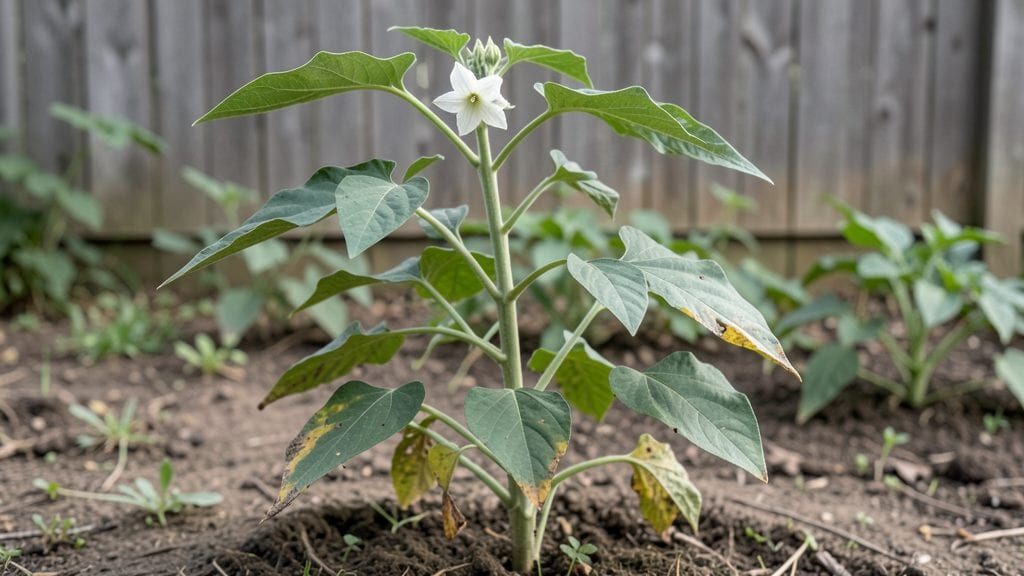
Leggy pepper plants mean fewer peppers and more frustration. ✨ I’ve spent three summers watching my peppers stretch toward the sky instead of producing fruit, and the fix is simpler than you’d think—just three strategic trims that turn floppy stems into sturdy bushes.
The problem starts with too little light or overcrowding, forcing plants to grow tall and weak. Most gardeners panic and add more fertilizer, which makes the problem worse. Instead, you’ll focus on pruning to encourage bushier growth and redirect energy to peppers.
It takes less than 15 minutes per plant, and the results show up within weeks.
After trimming, your plants will thicken up, develop more side branches, and produce a harvest that actually fills your basket. The key is timing—trim early in the season to shape the plant, then do light maintenance trims as it grows.
You’ll end up with peppers that are plentiful and flavorful, not just tall and skinny.
Works for bell peppers, jalapeños, and any other variety you grow. Once you master this, your plants will look like they’ve been in a greenhouse instead of your backyard. Let’s get those shears out and fix this for good.
Root Causes of Stretched Pepper Plants
If your pepper plants are reaching skyward like overenthusiastic sunflowers, they’re likely signaling distress—or just stretching too hard for sunlight. Leggy growth isn’t just an aesthetic issue; it weakens stems, delays fruiting, and can even make plants more vulnerable to pests and disease.
Let’s break down the key culprits behind those elongated stems and what’s really happening in your garden.
Pepper plants (Capsicum annuum and relatives) are sun worshippers—they thrive in 6–8+ hours of direct sunlight daily. When deprived, they stretch (a phenomenon called etiolation) to reach light sources, sacrificing energy that could go toward leaf and fruit production.
Why it happens:
- Photosynthesis slowdown: Low light reduces chlorophyll production, forcing plants to allocate energy to stem elongation instead of compact growth.
- Weak cell walls: Stems grow thin and spindly because the plant prioritizes height over structural support.
- Delayed flowering: Pepper plants need light to trigger the hormonal shift from vegetative to reproductive growth. Without it, they keep stretching instead of setting buds.
Actionable clue: Check for shadows from nearby plants, fences, or structures. If your plants are leaning or growing toward a window (indoors) or the tallest neighbor (outdoors), light is the issue.
Pepper plants prefer warmth (70–85°F during the day, 60–70°F at night). When temperatures dip too low or fluctuate wildly, growth patterns go haywire—including leggy stems.
Why it happens:
- Cold shock: Temperatures below 50°F disrupt auxin (a growth hormone) balance, causing stems to elongate rapidly to escape chill.
- Heat stress (indirectly): While peppers love heat, intense afternoon sun without shade can overheat soil and roots, limiting nutrient uptake and triggering compensatory stretching.
- Nighttime cooling: A 10°F+ drop between day and night confuses the plant’s circadian rhythm, leading to erratic, weak growth.
Actionable clue: Leggy growth paired with purple stems or leaves (a sign of cold stress) or wilting in afternoon heat points to temperature issues.
Pepper plants need space to breathe—literally. When they’re packed too tightly, they compete for light, nutrients, and airflow, leading to stretched, weak stems.
Why it happens:
- Light competition: Shading from neighboring plants triggers the same etiolated response as low light, but worse—because the plant is also starved for nutrients.
- Fungal pressure: Poor airflow increases humidity around leaves, promoting damping-off or powdery mildew, which weakens stems and encourages leggy growth as a survival tactic.
- Root restriction: Overcrowded roots can’t absorb enough water/nutrients, forcing the plant to prioritize height over root development.
Actionable clue: Look for yellowing lower leaves (nutrient deficiency) or white powdery spots (fungus) alongside leggy stems.
Pro Tip: 💡 Leggy growth is your plant’s way of saying, “I need help!” The good news? It’s almost always fixable with light adjustments, temperature tweaks, or a little pruning. Stay tuned for our next section on how to correct it—without sacrificing your harvest.
Quick fixes for tall, skinny pepper stems
Now that you understand why your pepper plants are stretching like they’re reaching for the sky, let’s roll up our sleeves and turn those leggy stems into sturdy, productive bushes. The good news?
Most fixes are simple, fast, and require minimal tools. Below, we’ve mapped out practical solutions for each common cause—plus prevention tips to keep your plants strong from seedling to harvest.
If your peppers are leaning or stretching toward a window (or grow light), they’re begging for more light. Here’s how to help them stand tall:
✨ Short-Term Fix: Relocate Immediately
- Move plants to a south-facing window (or the brightest spot in your home/greenhouse).
- Rotate pots weekly (¼ turn) so all sides get even light—prevents lopsided growth.
- Use a grow light (LED or fluorescent) if natural light is lacking.
Place it 2–4 inches above the plants for 12–16 hours/day.
🌿 Long-Term Fix: Harden Off & Transplant Smartly
- Seedlings: Once they have 2–3 true leaves, gradually introduce them to direct sunlight (start with 2–3 hours/day, then increase).
- Outdoor plants: If transplanting, bury stems deeper (up to the first set of leaves) to encourage root growth and stability.
Use cage or stakes for support right away.
💡 Prevention Tip:
- Start seeds indoors 8–10 weeks before the last frost, using full-spectrum grow lights to avoid leggy seedlings.
- Thin seedlings to avoid overcrowding—peppers need space to breathe (12–18 inches apart).
Cramped peppers compete for light and nutrients, leading to weak stems. Here’s how to free them up:
🔥 Step 1: Thin or Repot
- Container gardens? Move plants to larger pots (at least 12–18 inches deep) with well-draining soil.
- In-ground? Space plants 18–24 inches apart (check your pepper variety’s needs—some like bell peppers need more room).
👨🍳 Step 2: Prune Aggressively (If Needed)
- Snip off lower leaves that shade the soil (this improves airflow and reduces disease risk).
- Remove any touching plants—even friendly companions like basil or marigolds can block light if too close.
🌡️ Prevention Tip:
- Plant in blocks, not rows—this maximizes sunlight exposure for all peppers.
- Use reflective surfaces (like white walls or aluminum foil) to bounce extra light onto crowded areas.
Leggy peppers often signal root stress from soggy soil or inconsistent watering. Fix it fast:
🔪 Step 1: Check Your Soil
- Stick your finger in the soil—if the top 1 inch is dry, water deeply. If it’s always wet, your plants are drowning.
- Improve drainage: Mix in perlite, vermiculite, or compost to aerate heavy clay soil.
🥘 Step 2: Water Right
- Water at the base (avoid wetting leaves to prevent disease).
- Use the “soak-and-dry” method: Water until it runs out the drainage holes, then wait until the top inch is dry before watering again.
- Mulch with straw or shredded leaves to retain moisture without suffocating roots.
🎯 Prevention Tip:
- Choose the right pot: Ensure containers have drainage holes—no exceptions!
- Use self-watering systems (like drip irrigation) for consistency, especially in hot climates.
Peppers need balanced nutrition—too much nitrogen (from fertilizer) makes them grow leaves instead of sturdy stems. Here’s how to fix it:
🥗 Step 1: Flush the Soil
- Stop fertilizing immediately if you’ve been using high-nitrogen feeds (like blood meal).
- Water thoroughly to leach out excess salts.
💪 Step 2: Feed Smart
- Switch to a balanced fertilizer (like 5-5-5 or 10-10-10) diluted to half-strength.
- Add compost or worm castings for slow-release nutrients.
- For organic growers: Use fish emulsion (low in nitrogen) or kelp meal to boost potassium and calcium.
🌡️ Prevention Tip:
- Test your soil before planting—peppers prefer slightly acidic soil (6.0–6.8 pH).
- Side-dress with compost mid-season to avoid over-fertilizing.
If your peppers are already top-heavy, staking or caging can save them:
- Bamboo stakes or tomato cages: Insert gently into the soil beside the plant and tie stems loosely with soft ties (avoid cutting circulation).
- Trellis for varieties like jalapeños or habaneros: Train vines upward to reduce sprawl and improve airflow.
- Prune suckers (the small shoots in leaf axils) to redirect energy to fruit production.
- Light/relocation fixes: Notice improvement in 3–5 days (new growth will be stockier).
- Water/drainage fixes: Roots strengthen in 1–2 weeks.
- Fertilizer changes: Expect bushier growth in 7–10 days.
- Structural support: Instant stability—just be gentle when tying!
Final Pro Tip: 🌟 Prune for bushiness—once your peppers are stable, pinch off the top set of leaves (just above a leaf node) to encourage branching. This creates more fruit-bearing stems!
Frequently asked questions
Why do my pepper plants grow so tall and skinny instead of bushy?
Leggy pepper plants stretch due to insufficient light, overcrowding, or temperature stress. When deprived of sunlight, they prioritize height to reach light sources, sacrificing energy for compact growth. Cold drafts or inconsistent warmth also trigger this weak, elongated growth pattern. The fix? Move them to brighter spots, adjust spacing, and maintain steady temperatures between 70–85°F.
Can I still save leggy pepper plants, or should I start over?
You can absolutely save them! Prune the top growth to encourage bushier branching, provide support with stakes or cages, and ensure they get 6+ hours of sunlight daily. With proper care, leggy plants will recover within 2–3 weeks and produce fruit. Starting over isn’t necessary unless the stems are severely damaged or diseased.
How often should I prune leggy pepper plants for best results?
Prune leggy peppers once in early growth (when seedlings are 6–8 inches tall) to shape them, then do light maintenance trims every 2–3 weeks to remove weak stems. Focus on cutting just above leaf nodes to encourage branching. Avoid over-pruning—peppers need foliage for photosynthesis to support fruit production.
Will pruning leggy pepper plants delay my harvest?
Not if done correctly! Strategic pruning actually speeds up fruiting by redirecting energy to fruit production. Leggy plants often take longer to mature because they waste energy on weak stems. With proper trimming, you’ll see peppers forming within 3–4 weeks of recovery. The key is timing—prune early in the season to avoid cutting off potential flower sites.
What’s the best way to support tall, weak pepper stems?
Use bamboo stakes or tomato cages inserted gently beside the plant, then tie stems loosely with soft fabric strips (avoid wire or tight ties). For sprawling varieties like jalapeños, a trellis works well. Support prevents stems from snapping under fruit weight and improves airflow, reducing disease risk. Start supporting early—don’t wait until stems bend!