
Aphids
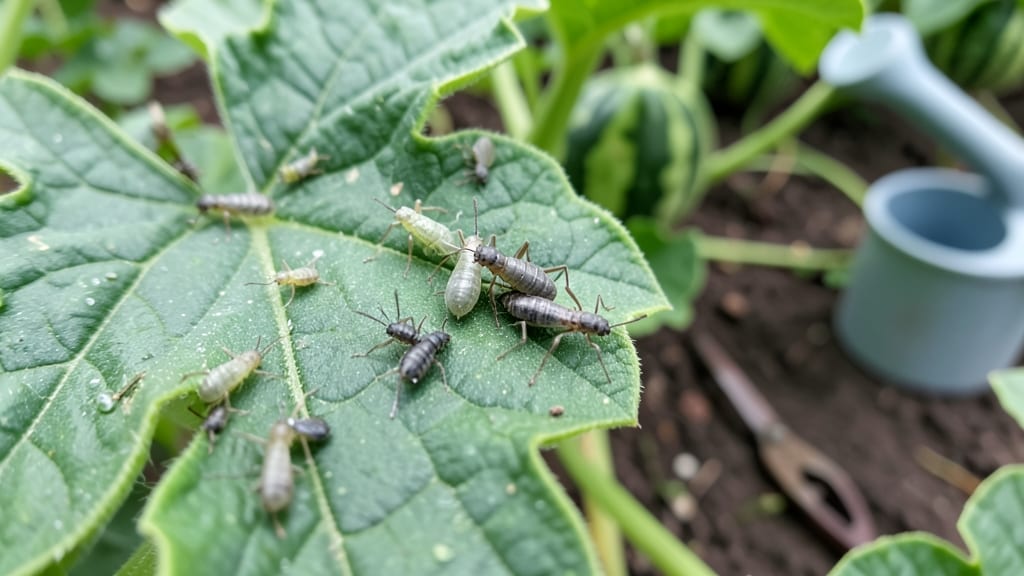
Aphids on watermelon plants turn lush vines into sticky, curled messes faster than you can say "failed harvest." 🌿 I’ve watched these tiny green invaders drain the life from watermelons—until I learned the three-step organic rescue that works every time, without harsh chemicals.
The key is catching them early, when the damage is still reversible.
Most gardeners assume aphids just happen—but watermelons get hit hardest because they’re soft, fast-growing, and aphids love the sweet sap. My first year, I lost half my crop before realizing these pests thrive in crowded plants and dry soil.
Once you understand their weak spots, you can outsmart them with simple fixes like neem oil sprays or introducing ladybugs.
Within 72 hours of treatment, you’ll see new growth pushing out, leaves unfurling, and those annoying sticky trails disappearing. The best part? These methods protect your fruit too, so you’re not left with bitter, deformed watermelons. No more helplessly watching your plants wilt—this is the comeback plan.
Works for seedlings, established vines, and even greenhouse setups. Let’s get those melons thriving again without the chemical cleanup battle.
Root Causes Of Watermelon Aphids
Aphids don’t just randomly appear on your watermelon plants—they’re drawn by specific conditions that make your garden a five-star buffet. Understanding these triggers is the first step to stopping them before they turn your vines into a sticky, honeydew-covered mess.
Let’s break down the key reasons aphids invade watermelon plants, so you can address them directly.
Aphids thrive where plants are weak, and watermelons under stress are prime targets. Here’s why:
- Poor spacing: Watermelon vines need room to breathe—at least 3–4 feet between plants. Crowded foliage creates shady, humid microclimates that aphids love, while also making it harder for beneficial predators (like ladybugs) to patrol.
- Nutrient deficiencies: Aphids detect high nitrogen, low phosphorus/potassium ratios in plant sap. If your soil lacks phosphorus (P) or potassium (K), your watermelons become aphid magnets. Look for yellowing leaves (N deficiency) or weak stems (K deficiency) as red flags.
- Water stress: Both overwatering (leading to root rot) and drought (triggering osmotic stress) weaken plants. Aphids exploit this by injecting toxins that further stress the plant, creating a vicious cycle.
Actionable fix: Space plants properly, conduct a soil test (aim for a balanced NPK ratio like 10-10-10), and water deeply at the base once a week (adjust for climate).
Aphids are obligate phloem feeders, meaning they only eat the sugary sap inside plant stems. Watermelons, especially young or flowering ones, produce more soluble sugars—making them aphid candy. Here’s the science:
- New growth: Aphids prefer tender, rapidly growing leaves and stems because they’re packed with easily accessible sugars. Prune suckers or side shoots to reduce their favorite buffet.
- Flowering/fruiting stage: When watermelons bloom, they increase sugar production to fuel fruit development. This surge in sap sweetness signals aphids to move in en masse.
- Honeydew feedback loop: Aphids excrete honeydew (a sugary waste product), which attracts sooty mold (a black fungal film) and more aphids. This creates a self-perpetuating infestation.
Actionable fix: Monitor new growth closely—remove only the infested tips (not entire vines) to avoid stressing the plant. For flowering plants, use yellow sticky traps near the canopy to intercept aphids before they settle.
Aphids reproduce exponentially (a single female can birth 80+ nymphs in a week), but they’re not the top of the food chain. Their populations explode when their predators vanish. Common culprits:
| Predator | Why They Disappear | How To Attract Them |
|---|---|---|
| Ladybugs | Pesticides (even organic ones like neem) or lack of alternative prey (e.g., no aphids in early spring). | Plant dill, fennel, or marigolds nearby as aphid traps. Avoid broad-spectrum sprays. |
| Lacewings | Drought stress reduces their egg-laying sites (they prefer humid, leaf-litter-rich areas). | Leave mulch or leaf debris around the base of plants. Install a water source (like a shallow dish with pebbles). |
| Parasitic Wasps | Monoculture gardens (no plant diversity = no habitat). | Add companion plants like basil, thyme, or alyssum. Avoid tilling—wasps overwinter in soil. |
Actionable fix: Stop using pesticides (even "safe" ones) and introduce aphid-friendly habitats. Release beneficial insects (like ladybugs or lacewing larvae) at dusk for maximum effectiveness.
Aphids hitchhike on wind, water, or garden tools, and they’re already present in most home gardens—waiting for the right moment to strike. Here’s how they sneak in:
- Infested plants nearby: Weeds like cleavers (stickseed) or milkweed often host aphids. These pests walk or fly to watermelons when conditions are ripe.
- Contaminated tools/seeds: Aphids or their eggs can hide in soil from previous crops, compost, or even seed packets. Alfalfa sprouts are a notorious aphid carrier.
- Splashing water: Overhead irrigation spreads honeydew (which contains aphid pheromones) across plants, signaling more aphids to arrive.
Actionable fix: Quarantine new plants for 2 weeks, avoid overhead watering, and remove weeds within a 10-foot radius of watermelons. Sterilize tools with 70% rubbing alcohol between uses.
Pro Tip: 💡 Check the undersides of leaves first thing in the morning—aphids are most active then, and you’ll catch infestations before they spread to the entire vine.
Quick Fixes for Aphid-Infested Watermelons
Aphids may be tiny, but their damage can feel massive—especially when your watermelon plants are covered in sticky residue and struggling to thrive. The good news? You don’t need harsh chemicals to reclaim your garden.
Below, we’ll tackle the most common causes of aphid outbreaks and match them with easy, organic solutions that work fast. Plus, we’ll share pro tips to keep your watermelons aphid-free for good!
If your plants are covered in aphids (especially on new growth or undersides of leaves), immediate action is key. These pests multiply quickly, so the sooner you intervene, the better.
🔥 Step 1: Blast Them Away (Non-Toxic Spray)
Cause: Aphids cluster in protected areas, sucking sap and spreading viruses. Fix: - Water blast method: Use a strong spray of water (from a hose or spray bottle) to knock aphids off leaves.
Do this early in the morning so plants dry quickly and reduce fungal risks. - Soapy water spray: Mix 1 tsp mild liquid soap (like Castile soap) or 1 tbsp dish soap with 1 quart of water. Spray directly on aphids (avoid overspraying flowers, as soap can harm pollinators).
Reapply every 2–3 days until gone. - Neem oil spray (best for stubborn infestations): Combine 1 tbsp neem oil + 1 tsp mild soap + 1 quart water. Shake well and spray evenly on leaves (test on a small area first).
Neem disrupts aphid life cycles and deters future attacks. Reapply every 5–7 days for 2–3 weeks.
> 💡 Pro Tip: Spray undersides of leaves first—aphids love hiding there!
Once you’ve knocked out the aphids, stop them from coming back with these low-effort habits:
👨🍳 Strengthen Your Plants (Natural Deterrent)
Cause: Weak, stressed plants attract aphids. Fix: - Water deeply but less often: Aphids thrive in dry, stressed plants.
Water at the base (not overhead) to keep roots healthy and leaves dry. - Mulch around plants: Use straw or grass clippings to retain moisture and block aphid-friendly weeds. - Companion planting: Grow marigolds, basil, or garlic nearby—aphids hate these scents!
Even a few pots around your watermelons can make a difference.
🥘 Introduce Aphid Predators (Free Help!)
Cause: Lack of natural enemies lets aphid populations explode. Fix:
- Ladybugs: Release 25–50 ladybugs per plant (available at garden centers). They devour aphids and lay eggs near infestations.
- Lacewings: Their larvae are aphid-eating machines.
Buy lacewing eggs or adults and place them near affected areas. - Encourage birds & parasitic wasps: Hang bird feeders or plant dill, fennel, or yarrow to attract beneficial insects.
> 🌡️ Heat Hack: If aphids return, cover plants with floating row covers (lightweight fabric) for 1–2 weeks to suffocate them while allowing sunlight and water through.
Aphids don’t take vacations—they’re year-round pests in many climates. Stay ahead with this monthly checklist:
| Month | Task | Why It Works |
|---|---|---|
| Spring | Prune weak or crowded vines to improve airflow. | Reduces hiding spots for aphids. |
| Summer | Inspect new growth weekly for aphids (they love tender leaves!). | Catches infestations before they spread. |
| Fall | Clean up debris around plants (aphids overwinter in leaf litter). | Removes hiding places for next year. |
| Winter | Store row covers and check stored plants for hitchhiking aphids. | Prevents bringing pests indoors. |
If your watermelons are heavily damaged (yellowing, curled leaves, or stunted growth), try this two-pronged attack:
- Prune & Dispose:
- Cut off severely infested leaves/vines (don’t compost them—bag and trash).
- Focus care on healthy growth to help the plant recover.
- Boost Recovery:
- Fertilize lightly with fish emulsion or compost tea (aphids weaken plants by stealing nutrients).
- Shade cloth (30–50%) can help stressed plants recover faster in hot climates.
Final Thought: Aphids are annoying, but with consistent, gentle interventions, you can protect your watermelons without chemicals. Start with soapy water sprays, bring in ladybug allies, and strengthen your plants—soon, your vines will be aphid-free and thriving! 🍉💚
Frequently asked questions
Why do aphids specifically target watermelon plants over other vegetables?
Watermelons are aphid magnets because their sap is especially sweet—especially during flowering and fruiting stages. The tender new growth and high sugar content make them an all-you-can-eat buffet. Unlike hardier veggies, watermelon vines can't recover as quickly from aphid damage, which is why infestations spread so fast.
Will aphids ruin my watermelon harvest if I don't treat them?
Yes, but the damage depends on timing. Early infestations (seedlings) can stunt growth completely, while later attacks may cause deformed fruit or bitter-tasting melons. The real risk? Aphids spread viral diseases like cucumber mosaic virus, which can kill plants entirely. Treatments work best when you catch clusters before they spread to the main vines.
How do I know if my watermelon plants have aphids or just powdery mildew?
Check the leaf undersides—aphids leave sticky residue (honeydew) while mildew creates white powdery spots. Tap leaves over white paper: aphids leave black specks (their bodies), while mildew won't. Also, aphids curl leaves upward, while mildew causes them to yellow and crisp at the edges.
Can I use homemade sprays like garlic or chili pepper to kill aphids?
Yes, but with caution. Blend 1 garlic bulb + 1 tbsp cayenne + 1 quart water, strain, and spray—but test on a small leaf first. These sprays work best when combined with soapy water (they disrupt aphid feeding). The downside? Strong smells may repel pollinators. For best results, apply at dusk when bees are less active.
How long until I see results from neem oil treatments?
Most gardeners notice reduced aphid activity within 3-5 days of consistent neem applications. For severe infestations, combine neem with ladybug releases—you should see visible improvement in 7-10 days. The key is reapplying every 5-7 days (aphids lay eggs that hatch quickly).