
Pests and Diseases
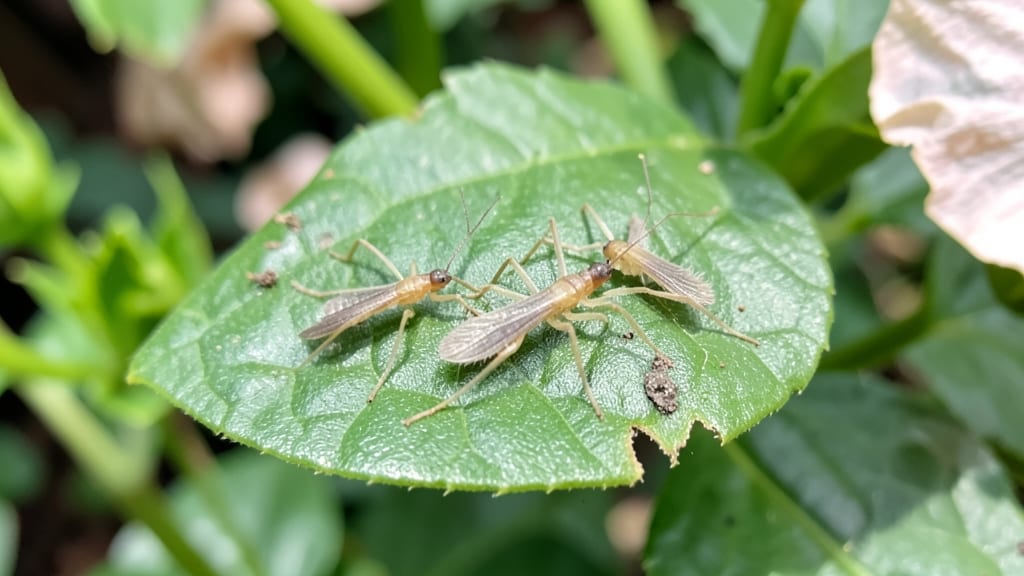
Those tiny black specks on your hibiscus leaves aren’t just dust—they’re thrips, and they’re stealing your plant’s vitality. 🌿 I’ve lost count of the hibiscus blooms ruined by these tiny pests, but I’ve also learned how to fight back without chemicals that harm the very flowers you love.
The key is acting fast before they turn your glossy leaves into skeletonized messes.
Thrips thrive in dry, warm conditions, which is why hibiscus—those lush, tropical-looking plants—often attract them. You’ll spot them as tiny black or brown specks on leaves, buds, or even flowers, and the damage shows up as silvery streaks or stippling.
The good news? Organic solutions like neem oil, insecticidal soap, and releasing beneficial predators can turn the tide without sacrificing your plant’s beauty.
By the time you’re done, your hibiscus will bounce back with vibrant green leaves and fresh blooms, all while keeping your garden ecosystem healthy. The secret is consistency—check for thrips weekly, especially after rain or when new growth appears.
With the right approach, you’ll protect your hibiscus without losing a single bloom to these pesky invaders.
Works for both backyard hibiscus and container-grown plants, so whether you’re dealing with a towering tropical hibiscus or a compact dinnerplate variety, these methods adapt easily. Let’s get your hibiscus thriving again—naturally.
Root Causes of Thrips Invasion
Thrips may seem like tiny, harmless pests, but they’re actually drawn to hibiscus plants with scientific precision. Understanding why they target your hibiscus—and how to disrupt their cycle—is the first step to organic control.
Below, we break down the real reasons these pests invade, backed by entomology and plant biology.
Thrips are opportunistic feeders, and stressed hibiscus plants are their favorite buffet. When your hibiscus is weakened, it emits volatile organic compounds (VOCs) that act like a dinner bell to thrips. Here’s why this happens:
- Nutrient Deficiencies:
Lack of nitrogen, phosphorus, or potassium weakens cell walls, making sap easier for thrips to suck. A quick soil test can reveal imbalances—especially low nitrogen, which stunts growth and attracts pests.
- Overwatering or Drought:
Both extremes stress plants. Overwatering leads to root rot and fungal infections, while drought causes wilting. Thrips detect these signals through plant pheromones and flock to compromised leaves.
- Poor Air Circulation:
Hibiscus with dense foliage or crowded pots trap humidity, creating ideal thrips breeding conditions. Poor airflow also slows healing, leaving new growth vulnerable to punctures from thrips’ rasping mouthparts.
Actionable Fix: Prune for airflow, water at soil level (not overhead), and amend soil with compost to boost resilience. Healthy plants = fewer thrips.
Thrips aren’t random—they follow a three-step invasion pattern tied to their biology:
- Scouting for Soft Tissue:
Thrips prefer new, tender growth because it’s packed with easy-to-access sugars and amino acids. Hibiscus blooms and buds are magnets because their thin petals offer minimal resistance to feeding.
- Laying Eggs in Hidden Crevices:
Female thrips insert eggs into leaf undersides or flower buds. They choose spots with high humidity (like axils or curled leaves) to ensure larvae survive. A single female can lay up to 200 eggs in her lifetime!
- Spreading via Wind and Pollinators:
Thrips are passive hitchhikers. They ride wind currents, cling to bees, or latch onto garden tools. If your hibiscus is near other infested plants (like roses or impatiens), cross-contamination is inevitable.
Pro Tip: 🌡️ Monitor humidity—thrips thrive in 60–80% humidity. Use a hygrometer and reduce moisture with fans or dehumidifiers in greenhouses.
Thrips don’t just appear—they’re environmentally cued. These conditions turn your hibiscus into a thrips hotspot:
| Factor | Why It Attracts Thrips | Solution |
|---|---|---|
| 🌞 Direct Sunlight + Heat | Heat-stressed plants produce more sugars in leaves, making them sweeter targets. Thrips also multiply faster in warm temps (above 75°F). | Provide afternoon shade with shade cloth (30–50%) and mulch to regulate soil temp. |
| 🍂 Dead or Dying Leaves | Decaying plant matter creates microhabitats for thrips larvae. They hide in detritus to avoid predators and pesticides. | Clean up fallen leaves and prune dead branches immediately. |
| 🌿 Monoculture Gardens | Planting only hibiscus removes natural predator diversity (like ladybugs or lacewings). Thrips have no checks on their population. | Interplant with thrips-repelling herbs like basil, mint, or marigolds. |
Key Insight: Thrips exploit gaps in your garden’s ecosystem. A diverse, well-maintained hibiscus is far less appealing to them.
Next up: How to disrupt their lifecycle with organic methods that protect your blooms. 🌸
Quick Fixes for Thrips on Hibiscus
If thrips have already invaded your hibiscus plants, don’t panic—there are effective, organic ways to tackle them without sacrificing those stunning blooms. The key is acting fast and targeting the pests at every life stage (eggs, nymphs, and adults).
Below, we break down solutions by the most common causes and provide step-by-step fixes, plus prevention tips to keep thrips away for good.
When thrips are visible in large numbers (especially on new growth or flower buds), aggressive removal is critical. Thrips multiply rapidly, so delay can lead to permanent damage.
👨🍳 Step 1: Prune Infested Areas
- What to do: Snip off heavily damaged leaves, buds, and stems using clean, sharp pruners. Focus on:
- Yellowing or curled leaves (signs of feeding damage).
- Distorted or blackened flower buds (thrips love hiding here).
- Sticky residue (honeydew) on leaves (a sign of an active infestation).
- Pro tip: 💡 Dispose of pruned material in a sealed bag or burn it—never compost it, as thrips can survive and reinfest.
🥘 Step 2: Blast Them Off with Water
- What to do: Thrips are tiny but vulnerable to direct water pressure. Use a strong stream from a hose or a gentle spray from a handheld nozzle to dislodge them.
- Aim for the undersides of leaves (their favorite hiding spot).
- Repeat every 2–3 days for 2 weeks to catch newly hatched nymphs.
- Pro tip: ⏰ Do this in the early morning or late afternoon to avoid shocking the plant with midday sun.
🔪 Step 3: Apply Organic Insecticidal Soap or Neem Oil
- What to do: Once pruned and rinsed, treat the plant with a homemade or store-bought organic spray. Two top options:
- Insecticidal soap: Mix 1–2 tbsp of potassium salts of fatty acids (like Safer® Brand Insect Killing Soap) with 1 quart of water. Spray until thoroughly wet, focusing on undersides.
- Neem oil: Combine 1 tbsp neem oil, 1 tsp honey or dish soap (as a sticker), and 1 quart of water. Shake well and spray evenly, including stems.
- When to apply: Early morning or evening (avoid direct sunlight, which can burn leaves).
- Reapply: Every 5–7 days for at least 3 weeks to break the thrips life cycle.
Once you’ve kicked thrips out, keep them from returning with these proactive strategies. Prevention is easier than treatment!
🎯 1. Improve Plant Health
Healthy hibiscus plants are less attractive to thrips and recover faster from damage.
- ✨ Water deeply but less frequently (thrips love stressed, drought-prone plants). Aim for 1–1.5 inches of water per week.
- 💪 Fertilize regularly with a balanced, organic fertilizer (like fish emulsion or compost tea) to boost vigor.
- 🌿 Mulch around the base with 2–3 inches of organic mulch (straw or wood chips) to retain moisture and deter pests.
🔍 2. Monitor and Inspect Regularly
- Check weekly for early signs of thrips:
- Tiny black specks (fecal droplets) on leaves.
- Silvery streaks or scars on buds/leaves.
- Sticky residue (honeydew).
- Use a magnifying glass if needed—thrips are 1–2 mm long and often hide in leaf folds.
🛡️ 3. Introduce Natural Predators
Let nature do the work! These beneficial insects prey on thrips:
- 🐞 Minute pirate bugs (eat thrips at all stages).
- 🕷️ Spiders (they hunt thrips and other soft-bodied pests).
- 🐝 Parasitic wasps (lay eggs in thrips eggs/nymphs).
How to attract them:
- Plant companion flowers like marigolds, alyssum, or dill near hibiscus.
- Avoid broad-spectrum pesticides (they kill beneficial insects too).
- Install birdhouses or bat boxes to encourage thrip-eating birds.
🌿 4. Use Physical Barriers
- Floating row covers (fine mesh) can protect young hibiscus plants from adult thrips while allowing pollinators through.
- Yellow sticky traps placed near plants can catch adult thrips before they lay eggs.
If thrips are widespread and organic methods aren’t working fast enough, consider these last-resort organic options:
| Method | How to Use | Safety Notes |
|---|---|---|
| Kaolin Clay (Surround WP) | Mix 1–2 tbsp with water and spray as a protective film. Thrips can’t feed through it. | Reapply after rain; may look chalky but washes off leaves. |
| Diatomaceous Earth (DE) | Lightly dust dry DE on leaves/stems (avoid flowers). It dehydrates thrips. | Reapply after watering; wear a mask to avoid inhaling dust. |
| Beneficial Nematodes (Heterorhabditis bacteriophora) | Apply to soil (not leaves) to target thrips pupating underground. | Works best in warm, moist soil; repeat every 4–6 weeks. |
⚠️ Note: DE and nematodes are most effective in dry or warm conditions—check humidity before applying.
Frequently asked questions
How do I know if my hibiscus has thrips and not just dust or pollen?
Look for tiny black or brown specks (thrips themselves) on leaves or buds, plus silvery streaks where they feed. Check leaf undersides and new growth—thrips hide there. Unlike pollen, their damage creates a sticky residue (honeydew) that ants love. Use a magnifying glass if needed.
Will neem oil harm my hibiscus flowers?
No, when used correctly! Apply neem oil early morning or evening to avoid sunburn, and avoid spraying directly on open blooms. The oil targets thrips but won’t damage petals. For extra safety, apply to leaves and stems only, focusing on undersides where thrips hide.
Can I use dish soap to kill thrips on hibiscus?
Yes, but only mild, unscented dish soap mixed with water (1 tsp per quart). Spray thoroughly on leaves and stems, avoiding flowers. Reapply every 3–5 days—it’s non-toxic but must stay wet to work. Test on a small leaf first to check for sensitivity.
Why do thrips keep coming back after I treat them?
Thrips reproduce quickly—females lay 200+ eggs in hidden spots like leaf folds or flower buds. High humidity (60–80%) speeds their lifecycle. To break the cycle, combine treatments (neem oil + pruning) and improve airflow. Check for nearby infested plants too!
Are there thrips-resistant hibiscus varieties?
No variety is completely resistant, but some hardier hibiscus types (like Hibiscus rosa-sinensis 'Dwarf Red') bounce back better from damage. Focus on plant health—fertilize regularly, avoid overwatering, and prune for airflow. Companion plants like marigolds may deter thrips too.