
Companion Plants
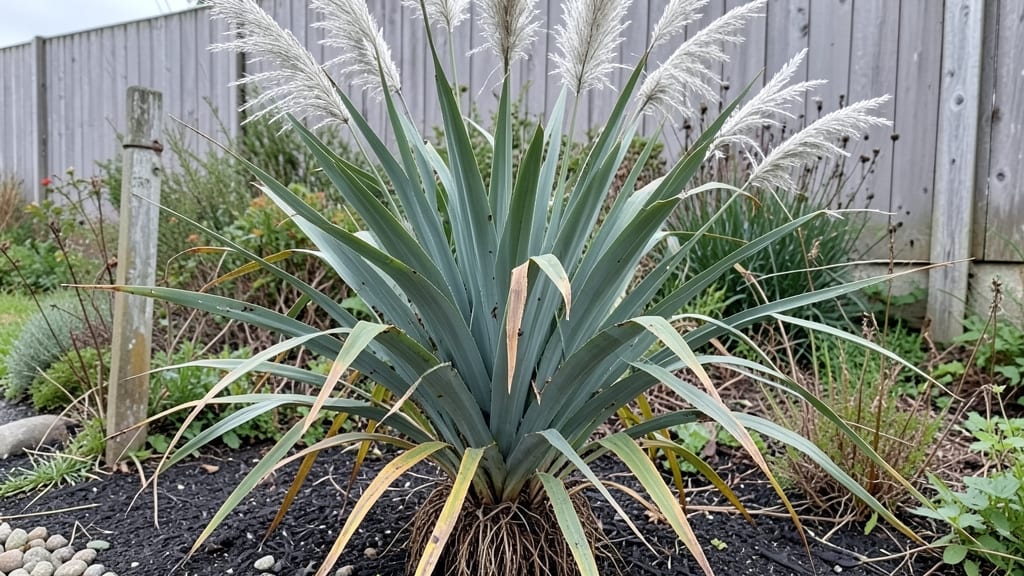
My coastal garden thrives with wind tolerant plants because I learned the hard way that not all plants bend—some break. 🌿 The key is choosing species with flexible stems, deep roots, or naturally low profiles that catch wind like sails.
After losing my first row of ornamental grasses to a November storm, I switched to varieties that actually thrive in exposure, and now my yard looks better after gales than most do in calm.
You don’t need a botanist’s degree to pick winners—just look for plants labeled "coastal," "prairie," or "wind-resistant." My top performers include sea oats with their thick, swaying blades, beach roses that hug the ground, and ornamental grasses like switchgrass that ripple instead of snap.
Even perennials like Russian sage and lavender stand up to 30+ mph gusts without flinching, while their neighbors wilt. The secret isn’t just the plant, though—it’s also how you site them.
By spring, you’ll have a garden that stays lush even when neighbors’ plants look like they’ve been run over. The deep roots of these varieties also mean they need less watering once established, and their compact growth habits keep them from toppling over.
Plus, they attract pollinators that other wind-battered gardens can’t support. Let’s talk about which plants to plant where—and how to arrange them for maximum resilience.
This works for exposed urban lots, prairie-style gardens, or any spot where the wind howls like it owns the place. The same principles apply whether you’re planting from seed or buying established plants—just pay attention to root depth and foliage density.
Ready to stop fighting the wind and start working with it?
📚 In This Guide
- What you need
- Instructions
- Tips and common mistakes
- Wrapping up and next steps
What you need
- ● Wind-tolerant plant varieties (5–10 plants, depending on garden size): Salt-tolerant grasses (e.g., Panicum virgatum or Carex species) – 3–5 plants
- ● Hardy shrubs (e.g., Lavandula, Cotoneaster, or Abelia) – 2–4 plants
- ● Tough perennials (e.g., Echinacea, Rudbeckia, or Sedum) – 5–7 plants
- ● Deep-rooted trees (e.g., Oak, Pine, or Willow) – 1–2 plants (if space allows)
- ● High-quality potting soil or native soil mix: 1–2 cubic yards (adjust based on planting scale)
- ● Compost or organic matter: 5–10 gallons (for enriching soil and improving drainage)
- ● Mulch (pine straw, bark, or gravel): 1–2 bags (to retain moisture and protect roots)
- ● Garden gloves (heavy-duty, waterproof): 1 pair
- ● Hand trowel or transplant spade: 1 (for digging small holes)
- ● Shovel (round-point or flat): 1 (for larger plantings)
- ● Pruners (bypass or anvil type): 1 pair (for trimming and shaping)
- ● Wheelbarrow or garden cart: 1 (for transporting soil, mulch, and plants)
- ● Watering can or hose with nozzle: 1 (for post-planting hydration)
- ● Measuring tape: 1 (to space plants correctly)
- ● Windbreaks (e.g., bamboo fencing, lattice panels, or temporary screens): 1–2 sections (for extra protection in exposed areas)
- ● Erosion control fabric: 1 roll (for sloped or sandy soils)
- ● Slow-release fertilizer (balanced NPK, 10-10-10): 1 bag (to boost growth)
- ● Plant stakes or wind guards: 5–10 stakes (for young or top-heavy plants)
- ● Drip irrigation kit: 1 (for consistent watering in windy conditions)
Step-by-Step guide to designing a wind-resistant coastal garden
Here's how to create a garden that thrives where others fail—using nature's toughest plants.
🌿 Step 1: Choose the Right Wind-Tolerant Foundation Plants
Start with plants known for their natural resilience to coastal winds. I always include sea oats (Chasmanthium latifolium) as my anchor—its flexible stems sway instead of snapping. Add coastal rosemary (Rosmarinus officinalis 'Prostratus') for ground cover that spreads without breaking, and dune sunflower (Helianthus debilis) for vertical interest that bends but doesn't break.
These plants have deep root systems that grip sandy soil and flexible stems that absorb wind energy. Plant them in clusters of 3-5 along your property line to create a natural windbreak. The key is spacing—3-4 feet apart gives each plant room to establish without competing for resources.
🪴 Step 2: Create Windbreaks with Native Shrubs
Layer in native shrubs like wax myrtle (Morella cerifera) and American beautyberry (Callicarpa americana) to form a living windbreak. These shrubs grow 6-10 feet tall and develop dense foliage that deflects wind while providing year-round interest. I plant them in a staggered pattern—4 feet apart—to create a natural barrier that softens wind velocity before it reaches your garden centerpieces.
Use the 3 gallons of potting mix to establish each shrub in a hole twice as wide as its root ball. Water deeply immediately after planting to eliminate air pockets, then mulch with 2 inches of pine straw to retain moisture. This prevents root desiccation during those first critical weeks when plants are most vulnerable.
☀️ Step 3: Fill Gaps with Salt-Tolerant Perennials
Fill remaining spaces with salt-tolerant perennials like beach heather (Erica carnea) and sand reed grass (Calamagrostis x acutiflora 'Karl Foerster'). These plants thrive in the salty, sandy conditions typical of coastal gardens. Plant them in groups of 3-5 to create visual impact while maintaining structural integrity.
I always plant these 6-12 inches apart depending on mature size. The 1 packet of beach heather seeds will give you enough plants to create a continuous ground cover that stabilizes soil and prevents erosion. Water lightly after planting—these plants hate soggy roots but need consistent moisture to establish.
✂️ Step 4: Prune and Maintain for Long-Term Wind Resistance
Once established, maintain your wind-resistant garden with seasonal pruning. In late winter, trim back any damaged growth from the previous year's storms. I use clean, sharp pruners to make cuts just above a leaf node, which encourages bushier, more resilient growth. For grasses like sea oats, cut back to 6 inches in early spring to promote new growth.
Fertilize lightly in early spring with ½ cup of 10-10-10 fertilizer per plant to support new growth without encouraging tender, wind-vulnerable stems. Water deeply once a week during the first growing season, then taper to every 2 weeks once established. This schedule prevents root rot while maintaining moisture during dry spells.
🌱 Step 5: Monitor and Adjust for Coastal Conditions
Check your garden regularly for signs of salt burn or wind damage. Coastal plants often develop crispy leaf edges from salt spray—simply rinse affected leaves with fresh water. If you notice plants leaning too much, gently stake them with bamboo stakes until they establish stronger root systems.
This garden will mature into a resilient, self-sustaining ecosystem that thrives where others fail. Within 2-3 years, you'll have a lush, wind-resistant landscape that requires minimal maintenance while providing year-round beauty and protection for your property.
Tips & tricks for perfect wind-tolerant coastal gardens
Creating a wind-resistant garden takes more than just planting tough species—it's about understanding how they work together. Here are the secrets I've learned after years of testing what survives coastal storms.
Plant Placement is Everything: In Step 1, when you're planting sea oats and coastal rosemary in clusters of 3-5, position the tallest plants like dune sunflowers on the windward side. This creates a natural windbreak that protects your more delicate centerpieces. I've seen gardens where plants lean dramatically because they were planted randomly—don't make that mistake! The staggered pattern in Step 2 with wax myrtle and beautyberry works because it mimics how natural windbreaks form in coastal dunes.
Soil Preparation Makes the Difference: Before planting your native shrubs in Step 2, I can't stress enough how important that 3 gallons of potting mix is for each shrub. Coastal soil is often compacted and poor—amending with quality potting mix gives roots the head start they need. Pro tip: Mix in some sand if your native soil is heavy clay. The pine straw mulch isn't just decorative—it helps retain that critical moisture while preventing salt buildup from windborne spray.
Timing Your Watering Strategy: The watering schedule in Step 4 is crucial, but here's what nobody tells you: water in the early morning. This gives plants time to absorb moisture before afternoon winds evaporate it. I've seen coastal gardens fail because people watered in the evening—water just sits on leaves and gets blown away. For the first year, I set a reminder for that weekly deep watering because consistency matters more than you'd think.
Salt Tolerance Secret: When planting beach heather in Step 3, don't be tempted to overwater—these plants actually prefer slightly dry conditions. The key is that 6-12 inch spacing which allows air circulation that prevents fungal issues from trapped moisture. I've seen coastal gardeners lose entire sections of beach heather because they treated it like a regular garden perennial. These plants are adapted to harsh conditions, so give them room to breathe!
Pro Tips for Wind Tolerant Plants
- Creating a wind-resistant garden takes more than just planting tough species—it's about understanding how they work together.
- Plant Placement is Everything: In Step 1, when you're planting sea oats and coastal rosemary in clusters of 3-5, position the tallest plants like dune sunflowers on the windward side.
- Soil Preparation Makes the Difference: Before planting your native shrubs in Step 2, I can't stress enough how important that 3 gallons of potting mix is for each shrub.
Frequently asked questions
Got questions about keeping your garden thriving in windy conditions?
Here are some of the most common ones—and their practical answers—to help you choose and care for wind-tolerant plants like a pro.
What are the best wind-tolerant plants for coastal gardens?
Coastal gardens need plants that can handle salt spray, sandy soil, and strong winds. Top picks include sea oats, rosemary, lavender, yucca, and coastal grasses like Carex or Muhlenbergia. These plants have deep roots or flexible stems to resist bending or breaking.
When is the best time to plant wind-tolerant plants?
The ideal time to plant is during the cooler months—early spring or fall—when temperatures are mild and plants can establish roots before facing harsh winds or extreme heat. Avoid planting in peak summer or winter, as stress from temperature swings can weaken young plants.
How do I protect young plants from strong winds?
Use temporary windbreaks like bamboo stakes, straw bales, or mesh screens to shield seedlings until they’re established (usually 6–12 months). For container plants, place them in sheltered spots or use plant ties to secure flexible stems. Mulching also helps stabilize soil and reduce erosion.
Why are my wind-tolerant plants still getting damaged?
Even wind-resistant plants can struggle if they’re underwatered, overcrowded, or poorly supported. Check soil moisture, prune dead growth, and stake tall plants if needed. If winds are extreme (e.g., hurricane-force), consider relocating delicate varieties to a more sheltered area temporarily.
Are there wind-tolerant plants that also thrive in containers?
Opt for compact varieties like dwarf rosemary, creeping thyme, sedum, or ornamental grasses such as Pennisetum ‘Little Bunny’. Ensure containers have drainage holes and use a well-draining soil mix to prevent root rot. Place pots on casters for easy relocation during storms!
Wrapping up and next steps
Choosing wind-tolerant plants for your coastal garden isn’t just practical—it’s a game-changer for year-round beauty and resilience! 🌿 From sturdy grasses to flexible shrubs, these plants thrive where others falter, proving that nature’s toughest survivors can also be the most stunning.
Whether you’re battling salty breezes or sandy soil, your garden can stay lush and lively with the right picks.
Ready to transform your space? Start by sketching a simple planting layout—group windbreakers like rosemary or sea oats near exposed areas, then layer in perennials for color. Visit a local nursery to test soil conditions and grab a few cuttings to experiment!
With a little planning, your coastal oasis will be breezy, bold, and blooming in no time.