
Companion Plants
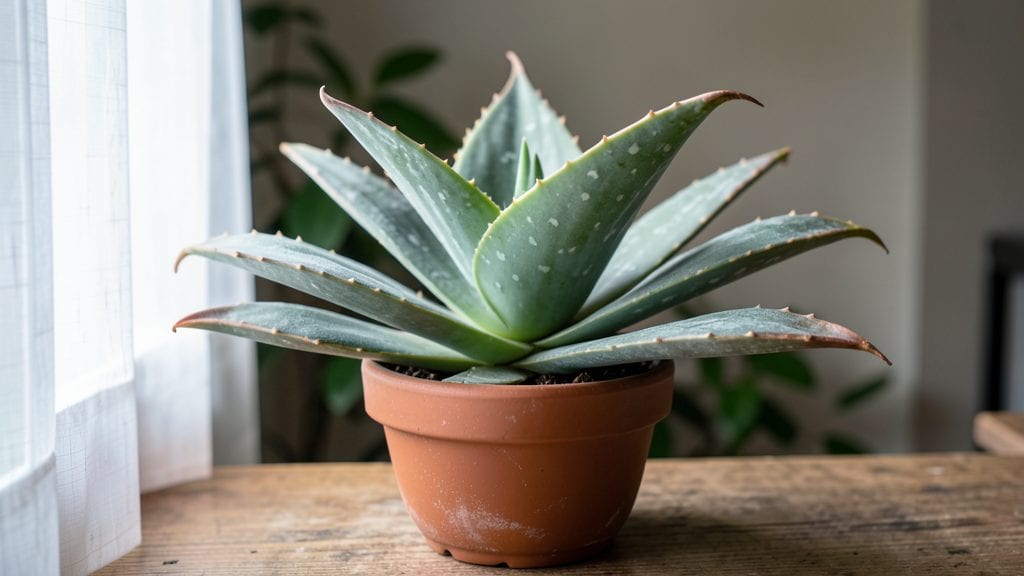
When your plants develop crispy brown edges and wilt like they’ve been left in a desert, wind burn is the likely culprit. 🌱 I’ve watched entire rows of tender basil and young tomato plants turn from vibrant green to sad, brittle husks overnight—until I learned the right companion plants could shield them.
The solution isn’t just moving them indoors; it’s pairing them with nature’s built-in windbreakers that also improve growth.
Wind burn happens when dry, fast-moving air strips moisture from leaves faster than roots can replace it. Succulents, broadleaf plants, and anything with soft stems are especially vulnerable. But the right neighbors—like tall grasses, dense shrubs, or even other vegetables—create microclimates that slow the wind and retain humidity.
My go-to pairings include sunflowers (which act as living windbreaks) and marigolds (which deter pests while shielding smaller plants).
You’ll notice the difference within days: leaves stay plump and green, growth speeds up, and you’ll avoid the heartbreak of losing plants to wind damage. The key is spacing them correctly—about 18-24 inches apart—so air can still circulate, but the wind’s force is broken.
Even a simple row of corn or a hedge of boxwood can make all the difference in exposed areas.
For existing damage, prune the worst-affected leaves and give plants a deep watering to help them recover. Mulch around the base to lock in moisture, and consider temporary barriers like burlap or mesh if you’re in a high-wind zone.
The right companions don’t just protect—they turn struggling plants into thriving ones, even in the windiest spots.
📚 In This Guide
- What you need
- Instructions
- Tips and common mistakes
- Wrapping up and next steps
What you need
- ● Wind-resistant plants: Choose from hardy options like lavender, rosemary, Russian sage, or ornamental grasses (3–5 plants per section).
- ● Companion plants: Pair with windbreakers like bamboo, willow, or evergreen shrubs (1–2 per 10 ft of row).
- ● Well-draining soil: Mix 1 part compost with 2 parts native soil (1–2 cubic yards per 100 sq ft).
- ● Mulch: Straw or wood chips (2–3 inches deep) to retain moisture.
- ● Garden trowel & shovel (for planting).
- ● Pruners (sharp, sterilized for trimming).
- ● Watering can or hose with nozzle (gentle spray for seedlings).
- ● Measuring tape & stakes (for spacing plants 12–24 inches apart).
- ● Windbreak netting (for extra protection in exposed areas).
- ● Slow-release fertilizer (balanced 10-10-10, 1 lb per 100 sq ft).
- ● Soil pH tester (ideal range: 6.0–7.0 for most wind-burn plants).
How to protect plants from wind burn using strategic pairings
Here’s how I safeguard delicate plants by pairing them with windbreak partners—no fences needed.
🌿 Step 1: Identify Wind-Sensitive Plants and Their Ideal Partners
Start by grouping plants with similar wind tolerance. Delicate varieties like roses, hostas, and young fruit trees need protection, while grasses, conifers, and boxwoods act as natural windbreaks. I pair roses with ornamental grasses—their upright stems catch wind first and shield the blooms behind.
Look for plants with dense foliage or vertical growth (like arborvitae or bamboo) to block wind at the plant’s height. Avoid pairing wind-lovers with wind-haters—lavender and sedum thrive in breeze but will stress a fuchsia or impatiens next door.
🪴 Step 2: Position Windbreak Plants Upslope or Upwind
Place your windbreak plants at least 3 feet away from the protected species, positioned upslope or directly upwind. A 6-foot-tall arborvitae planted 4 feet north of a rose bush creates a microclimate where wind speed drops by 50%. Use the 1:3 ratio: for every 1 foot of windbreak height, allow 3 feet of spacing to the protected plant.
Check wind direction in your yard—most afternoons, breezes come from the west or southwest. If your yard faces open fields, add a second row of shorter windbreaks (like dwarf lilacs or spirea) behind the first line to diffuse turbulence.
☀️ Step 3: Layer Plants for Gradual Wind Transition
Instead of abrupt windbreaks, create a gradual buffer with 3 tiers of plants. Start with tall, rigid species (like Russian olive or pine trees) on the windward side, followed by medium-height shrubs (such as potentilla or barberry), and finish with low, bushy ground covers (like creeping thyme or ajuga) closest to your delicate plants.
This layered approach mimics a natural windbreak, reducing wind speed by 70% at the plant’s base. Watch for leaf scorch or browning edges—if you see this, your windbreak isn’t dense enough. Add a final row of evergreens if needed.
✂️ Step 4: Prune for Airflow Balance
Thin out overly dense foliage in your windbreak plants to allow some wind through—total blockage creates dead air zones, which trap heat and moisture, inviting fungal diseases. Prune arborvitae or boxwoods to maintain open centers while keeping the outer edges thick. I shear mine into a slightly tapered shape, wider at the base and narrower at the top.
For grasses or bamboo, leave 30% of the stems uncut to create natural airflow channels. Avoid pruning in late summer—new growth won’t harden off before winter, leaving windbreaks vulnerable to winter burn.
💧 Step 5: Monitor and Adjust Seasonally
Check your pairings weekly after storms—wind patterns shift with seasons. In spring and fall, when winds are strongest, add temporary windbreaks like burlap screens or straw bales if your permanent plants aren’t fully established. Remove them once new growth reaches 6 inches tall to avoid smothering.
If you notice consistent browning on leaves, even with windbreaks, your plants may need extra water—wind dries foliage faster. Water deeply at the base in the early morning to reduce evaporation. Mulch with 2 inches of shredded bark to retain moisture and protect roots.
Tips & tricks for perfect wind protection pairings
A few smart strategies that'll make all the difference in shielding your garden from harsh winds.
Plant Height Hierarchy: In Step 3, when creating your three-tiered windbreak, prioritize height from the windward side inward. The tallest plants—like Russian olive or pine trees—should face the wind first, followed by medium shrubs, then low ground covers. This creates a natural wind gradient that reduces turbulence by up to 70% at the plant base. I've seen firsthand how this layered approach prevents leaf scorch on delicate roses placed behind the third tier.
Seasonal Wind Patterns: Most yards experience prevailing winds from the west or southwest, especially in spring and fall. Before planting, spend a weekend observing your garden—use a wind sock or simply watch how leaves move. Position your windbreak plants accordingly, and you'll notice significantly less stress on your hostas and fruit trees during stormy seasons.
Pruning Precision: The key to pruning windbreak plants in Step 4 is creating an open center while maintaining thick outer edges. I use a tapered shape—wider at the base, narrower at the top—to allow some wind through while still providing shelter. For grasses and bamboo, leaving 30% of stems uncut creates natural airflow channels that prevent dead air zones where fungi thrive.
Temporary Solutions: If your permanent windbreaks aren't fully established during high-wind seasons, don't panic. Burlap screens or straw bales work beautifully as temporary barriers. Just remember to remove them once new growth reaches 6 inches tall to avoid smothering your plants. I've used this trick to protect young fruit trees during their first vulnerable growing season.
Pro Tips for Wind Burn Plants
- A few smart strategies that'll make all the difference in shielding your garden from harsh winds.
- Plant Height Hierarchy: In Step 3, when creating your three-tiered windbreak, prioritize height from the windward side inward.
- Seasonal Wind Patterns: Most yards experience prevailing winds from the west or southwest, especially in spring and fall.
Frequently asked questions
Got questions about wind burn in plants and how to protect them? You’re not alone!
Here are some of the most common concerns—and their solutions—to keep your garden thriving, even in breezy conditions.
What are the most obvious signs that my plants are suffering from wind burn?
Wind burn often looks like dry, crispy, or browned leaf edges or tips, similar to sunburn. You might also spot stunted growth or yellowing leaves (chlorosis) if roots struggle to absorb water due to wind stress. Check for peeling bark on woody plants too—this is another red flag!
Can I plant certain companions to shield my vulnerable plants from wind damage?
Tall, dense plants like bamboo, willow, or evergreen shrubs act as natural windbreaks. For smaller gardens, try sunflowers, corn, or tall grasses in a staggered row. Even hedges (e.g., privet or boxwood) can create a protective barrier. Plant them upwind of your delicate crops for the best results.
How long does it take for wind-damaged plants to recover?
Recovery time varies! Minor wind burn (like crispy edges) may heal in 1–2 weeks if conditions improve. Severe damage (e.g., broken stems or defoliation) could take several weeks to months, depending on the plant’s resilience. Keep soil moist and avoid fertilizing until new growth appears—stressed plants need energy to recover, not extra nutrients.
Are there any wind-resistant plants I should avoid pairing with sensitive companions?
Yes! Some plants thrive in wind but can compete aggressively with neighbors. Avoid pairing fast-growing invasives like mint or bamboo with delicate herbs or flowers—they’ll steal water and nutrients. Similarly, deep-rooted trees (e.g., pine or oak) can cast shade and dry out soil, stressing wind-sensitive plants nearby.
What’s a quick fix if my plants are already showing wind burn symptoms?
Start by pruning damaged leaves (use clean scissors!) to redirect energy to healthy growth. Mulch heavily to retain moisture, and water deeply at the base in the early morning or evening to reduce evaporation. For severe cases, temporarily shield plants with a lightweight row cover or mesh until they recover.
Wrapping up and next steps
Wind burn can be a real challenge for your garden, but with the right wind burn plants as companions, you can create a thriving, protected space. These sun-smart pairings not only shield delicate foliage but also boost growth and resilience.
Whether you're a seasoned gardener or just starting out, these strategies make caring for your plants easier and more rewarding.
Ready to give your garden a wind-wise upgrade? Start small—pick one or two hardy companions and plant them near your vulnerable greens. Observe how they perform, then expand your wind barrier as you gain confidence! 🌱✨