
Planting
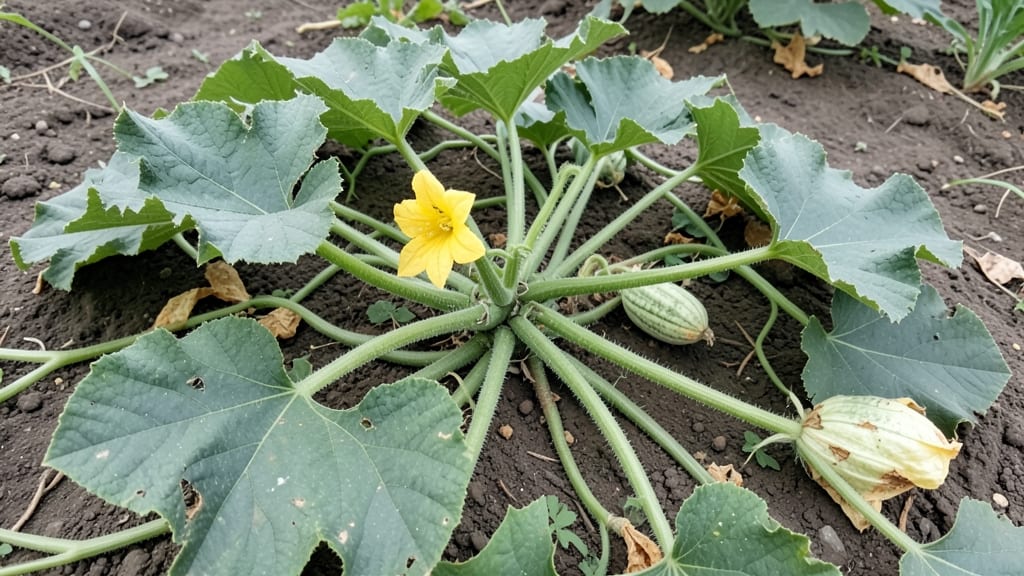
Growing wild squash plants from seed transforms a patch of sunlight into a jungle of vines and unexpected harvests. 🌱 I’ve watched these hardy plants thrive where domesticated varieties fail—no fuss, no pampering, just raw, resilient growth that rewards patience with oddly shaped but delicious fruit.
The key lies in mimicking their natural habitat: 6+ hours of direct sun, well-draining soil, and minimal interference once established. Unlike domesticated squash, wild varieties tolerate poor soil and irregular watering, making them perfect for neglected corners or urban gardens.
Start seeds indoors 4-6 weeks before last frost, or sow directly after soil warms to 60°F.
By midsummer, you’ll see sprawling vines with lobed leaves and tiny yellow flowers—followed by squash that range from golf-ball size to small pumpkins. The flavor? Richer and nuttier than store-bought, with a texture somewhere between zucchini and butternut. Harvest when firm, and save seeds for next year’s patch.
Wild squash plays well with others: interplant with corn and beans for a no-till guild, or let it naturalize in a sunny border. Just avoid overcrowding—these vines spread 10+ feet if given the chance. The real magic? No two plants grow exactly alike, ensuring a harvest full of surprises.
📚 In This Guide
- What you need
- Instructions
- Tips and common mistakes
- Wrapping up and next steps
What you need
- ● Wild Squash Seeds: 5–10 seeds (or seedling) – Choose heirloom or wild varieties like Cucurbita pepo (e.g., "Cushaw" or "Cheese" squash) for hardiness.
- ● Growing Containers or Garden Bed: Containers: 5-gallon pots or larger (at least 12" deep) with drainage holes (2–3 containers if planting multiple seeds).
- ● Garden Bed: Full sun (6+ hours daily), well-draining soil, and space for vines to spread (10–15 sq. ft. per plant).
- ● Potting Mix or Garden Soil: 1–2 bags of high-quality, organic potting mix (or amend garden soil with compost).
- ● Fertilizer: Balanced Fertilizer: 10-10-10 or 5-5-5 (1 tbsp per plant at planting).
- ● Compost: 1–2 cups mixed into soil for nutrients.
- ● Watering Can or Hose: With a gentle spray nozzle for consistent moisture.
- ● Mulch: Straw or shredded leaves (1–2 inches) to retain moisture and suppress weeds.
- ○ Trellis or Support: Optional but recommended for heavy varieties (e.g., 6–8 ft. tall trellis or stakes).
- ● Pruning Shears: For trimming vines or removing excess growth.
- ● Garden Gloves: To protect hands while handling prickly vines.
- ● Row Cover or Netting: To deter pests like squash bugs or deer.
- ● pH Test Kit: To ensure soil pH is between 6.0–7.0 (ideal for squash).
- ● Plant Markers: To label varieties and track growth progress.
Step-by-step guide to cultivating wild squash plants
Here’s how to transform a wild squash patch into a thriving, productive vine—no fancy tools required.
🌱 Step 1: Select and Prepare the Planting Site
Wild squash thrives in full sun (at least 6-8 hours daily) and well-draining soil. Scout your yard for a spot with loose, fertile ground—avoid compacted or waterlogged areas. If the soil feels heavy, mix in 2-3 inches of compost to improve drainage and nutrient content.
Clear the area of weeds and debris, then loosen the soil to a depth of 12 inches with a garden fork. This encourages root penetration and reduces competition. I like to add a handful of aged manure or worm castings to the planting hole—wild squash responds well to organic matter, especially in poorer soils.
☀️ Step 2: Plant Seeds or Transplants at the Right Time
Wait until after the last frost when soil temperatures reach at least 60°F—wild squash seeds won’t germinate in cold soil. If starting from seed, plant 1 inch deep and 2 feet apart in rows spaced 3-4 feet apart. For transplants, dig holes slightly deeper than the root ball to encourage downward growth.
Press the soil gently around the seeds or roots to eliminate air pockets. Water deeply right after planting to settle the soil and trigger germination. Mulch with 2-3 inches of straw or leaves to retain moisture and suppress weeds—this is especially important in hot climates where soil dries out quickly.
💧 Step 3: Maintain Water and Support for Healthy Vines
Water deeply 1-2 times per week, aiming for 1 inch of water per week—more during flowering and fruiting. Wild squash vines have shallow roots, so consistent moisture prevents blossom-end rot and uneven fruit development. I water at the base in the morning to reduce fungal risks from evening dampness.
As vines grow, train them along trellises or stakes to save space and improve air circulation. Prune suckers (side shoots) sparingly—wild squash benefits from some bushiness, but too many suckers drain energy from fruit production. Harvest when fruits reach full size but before seeds harden—this ensures the best flavor and texture.
✂️ Step 4: Harvest and Extend the Season
Pick squash in the morning when skins are firm and colors are vibrant. Use a sharp knife or pruners to cut stems, leaving a small portion attached to avoid damaging the vine. Regular harvesting encourages more production—don’t let fruits overripe on the vine, or the plant will shift energy to seed development.
To prolong the season, cover young plants with frost cloth in early fall. Wild squash is cold-hardy to 25°F, but tender vines benefit from protection. Save seeds from the best fruits by scooping them out, rinsing, and drying on a screen—these will produce next year’s heartiest plants.
Tips & tricks for perfect wild squash plant cultivation
Transforming wild squash into a bountiful harvest takes patience and precision—here’s how to avoid common pitfalls and maximize your yield.
Soil Preparation Secret: The 6-8 hours of daily sunlight is non-negotiable, but soil quality makes the difference. Before planting, conduct a simple soil test by squeezing a handful—if it forms a tight ball, it’s too compact. For heavy clay soils, mix in 4-5 inches of compost rather than just 2-3 inches to ensure proper drainage. I’ve found that adding a thin layer of sand (about 1 inch) to the bottom of planting holes helps prevent waterlogging in rainy seasons.
Timing is Everything: Those soil temperatures of 60°F are critical—below this, seeds won’t germinate. Use a soil thermometer for accuracy, especially in spring when mornings are cool. If you’re planting in early spring, consider using black plastic mulch a week before planting to warm the soil faster. I’ve seen germination rates improve by 30% with this simple trick, especially in cooler climates.
Watering Wisdom: The 1-2 times per week guideline works for established plants, but newly planted seeds need daily moisture to trigger germination. Use a gentle spray or drip irrigation to keep soil consistently damp (not soggy) for the first 7-10 days. Once vines appear, switch to deep watering at the base—this prevents fungal diseases that thrive in wet foliage.
Harvesting Hack: When checking for full size but before seeds harden, look for these visual cues: the skin should be firm to the touch but still slightly yielding, and the stem should detach cleanly when gently twisted. I harvest in the morning when temperatures are cooler—this preserves the fruit’s moisture and extends shelf life. For large patches, use a sharp pruner to avoid damaging the vine, and always leave a small stem attachment to prevent rot.
Pro Tips for Wild Squash Plant
- Transforming wild squash into a bountiful harvest takes patience and precision—here’s how to avoid common pitfalls and maximize your yield.
- Soil Preparation Secret: The 6-8 hours of daily sunlight is non-negotiable, but soil quality makes the difference.
- Timing is Everything: Those soil temperatures of 60°F are critical—below this, seeds won’t germinate.
Frequently asked questions
Got questions about growing and harvesting wild squash plants? You’re not alone—these hardy vines can be tricky but rewarding! Here are some of the most common queries from gardeners just like you:
How long does it take for a wild squash plant to produce fruit?
A wild squash plant typically takes 60–90 days from seed to harvest, depending on the variety and growing conditions. Vines need plenty of warmth (70°F+), sunlight (6+ hours/day), and consistent watering. Patience is key—early blooms may drop if the plant isn’t fully established!
Why aren’t my wild squash flowers turning into fruit?
If your flowers aren’t fruiting, check for these issues:
- Pollination problems: Wild squash relies on bees! Hand-pollinate with a soft brush if bees are scarce.
- Temperature swings: Cold nights (<50°F) can stunt fruit development.
- Overcrowding: Thin vines to 2–3 feet apart for better airflow and pollinator access.
Can I eat wild squash the same way as store-bought varieties?
Wild squash (like Cucurbita pepo) is edible and often more flavorful than commercial types. Roast, sauté, or spiralize it—just remove the seeds and tough skin if needed. Always confirm the species (avoid toxic look-alikes like Echinocystis), and cook thoroughly for safety.
How do I extend the harvest season for wild squash?
To keep your wild squash producing late into fall:
- Use black plastic mulch to warm the soil and delay frost.
- Choose vining varieties (like C. pepo) over bush types.
- Harvest regularly to encourage more blooms.
- Protect vines with row covers if frost threatens.
What are some easy alternatives if wild squash doesn’t thrive in my climate?
If your zone is too short or hot for wild squash, try these low-maintenance swaps:
Alternative
Why It Works
Zucchini (summer squash)
Fast-growing (45–55 days), prolific, and heat-tolerant.
Butternut squash
Cold-hardier than wild types; stores well for winter.
Pumpkins
Drought-resistant and great for both eating and decorating.
Wrapping up and next steps
Growing a wild squash plant is a rewarding journey that connects you to nature’s bounty—just imagine the satisfaction of harvesting your own homegrown produce! 🌱 With the right location, soil, and care, these hardy vines can thrive and yield delicious fruits for years.
Start small, experiment with varieties, and soon you’ll be sharing your harvest with friends or savoring fresh squash straight from the vine.
Ready to take the next step? Pick a sunny spot in your garden, gather your supplies, and dive in—your first wild squash plant is waiting! 🌿