
Plants
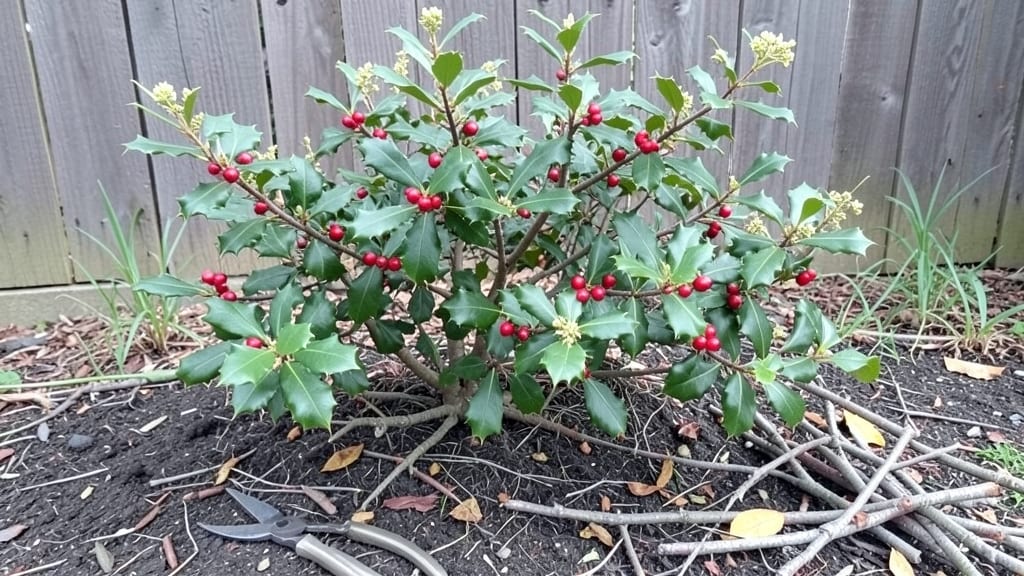
Trimming holly plants at the right time—late winter to early spring—sets the stage for bold, bushy growth that keeps your landscape stunning year-round 🌿.
Holly plants add year-round elegance, but timing your trims wrong can stunt growth or even kill your shrubs. Discover the perfect late-winter window to prune holly bushes for a lush, vibrant spring that steals the show.
Most gardeners wait until after the last frost, but that’s not the only factor. In USDA Zone 6a, like much of the Midwest, the ideal window opens around March—when buds swell but before new leaves burst.
Too early, and you risk cutting back next year’s berries; too late, and you’ll prune away fresh growth.
Here’s how to time it right, from reading your plant’s signals to avoiding the five biggest mistakes that turn lush holly into a sad, leggy shadow of itself.
Best late winter timing for pruning holly plants (with climate zones)
Pruning holly bushes at the right time in late winter ensures vibrant spring growth while protecting new flower buds that form over winter. The key is to trim after the last frost date but before active sap flow begins—typically March to early April in most USDA zones 6-9.
This window balances dormant season safety with early spring stimulation.
Holly plants (Ilex spp.) are evergreen or semi-evergreen shrubs that rely on precise pruning timing to avoid dieback or reduced berry production. Cutting too early risks frost damage to fresh cuts, while waiting too long can overstimulate growth before the plant is ready.
Regional frost patterns and USDA hardiness zones dictate the exact timing for your area.
Here’s a science-backed breakdown of the best late-winter pruning window by climate zone, including dormancy cycles and regional frost dates to maximize regrowth:
| USDA Zone | Last Frost Date | Ideal Pruning Window | Key Considerations |
|---|---|---|---|
| Zones 3-5 | Late April - Early May | Early to mid-May | Wait until soil temps reach 50°F+ to avoid frost damage. |
| Zones 6-7 | Mid to Late April | Late April - Early May | Trim after last frost but before leaf flush (early May). |
| Zones 8-9 | Late March - Early April | March - Early April | Prune 2-3 weeks after last frost to align with bud break. |
| Zone 10+ | Year-round mild | Late Winter (Jan-Feb) | Trim during dormant season to avoid pests and disease spikes. |
In cooler climates (Zones 3-5), holly bushes enter dormancy later, so pruning should delay until May to avoid late-season frosts. For example, in Zone 4, where last frosts often hit May 15, wait until early June to prune.
This ensures new growth isn’t exposed to unpredictable cold snaps.
Conversely, warmer zones (8-10) can prune as early as January or February because frost risk is minimal. In Zone 9, where last frosts occur in January, pruning in late February aligns with the plant’s natural dormancy cycle. Always check your local frost data for precise timing.
Timing also depends on your holly’s growth habit. Fast-growing varieties like ‘Nellie R. Stevens’ benefit from light pruning in late winter to encourage dense branching. Slow-growing types, such as ‘Blue Prince’, tolerate minimal trimming and should only be pruned to remove dead wood.
After pruning, focus on post-trim care to support spring regrowth. Apply a balanced fertilizer (10-10-10) in early spring to replenish nutrients lost during pruning. Water deeply but infrequently—once weekly—to establish strong root systems before the growing season peaks.
Monitor your holly for new shoots within 4-6 weeks of pruning. Healthy regrowth appears as bright green leaves along pruned branches. If growth stalls, check for over-pruning or pest damage, and adjust your approach for next year.
Pro tip: Mark your pruning calendar with your local last frost date and USDA zone to avoid seasonal mistakes. For example, in Zone 7, where last frosts average April 15, aim to prune by April 30 for optimal results.
By following these zone-specific guidelines, you’ll transform your holly into a thriving, berry-laden centerpiece that steals the show all season long. Happy pruning!
Step-by-step pruning guide: how to trim holly bushes without harming them
Pruning your holly bushes correctly ensures they thrive with vibrant growth and healthy foliage. The key is timing—trim too early, and you risk frost damage to fresh cuts; wait too long, and you stress the plant before spring.
With the right approach, you’ll shape your holly without sacrificing its ornamental beauty or berry production.
Before you begin, gather your pruning tools—clean, sharp bypass pruners for small branches and a pruning saw for thicker stems. Disinfect your tools with rubbing alcohol to prevent spreading diseases like leaf spot.
Holly bushes respond best to structured pruning, so plan your cuts to maintain their natural shape while removing dead wood and crossing branches.
Step-by-Step Holly Pruning Guide
-
Step 1: Remove Dead or Diseased Wood
Start by cutting out any brown, brittle branches or those with fungal spots. These won’t regrow and can spread disease. -
Step 2: Thin Out Crowded Branches
Look for overlapping branches or those growing inward. Remove 1/3 of the oldest stems to encourage new growth at the base. -
Step 3: Shape the Bush
Use your pruners to trim outward-facing branches to maintain a balanced shape. Avoid cutting into the center of the plant to prevent light blockage. -
Step 4: Cut Just Outside the Branch Collar
Make clean cuts 1/4 inch above a bud or branch collar. Never leave stubs, as they invite infections. -
Step 5: Clean Up and Apply Mulch
Rake up clippings and dispose of diseased branches. Add a 2-inch layer of mulch around the base to retain moisture and protect roots.
After pruning, monitor your holly for new growth within 4-6 weeks. If you notice yellowing leaves or stunted buds, your cuts may have been too severe. Holly bushes are resilient, but they need time to recover—avoid heavy pruning for the next 12 months to let them establish.
For large holly bushes, consider gradual pruning over 2-3 years to avoid shocking the plant. Focus on structural integrity first, then refine the shape. With patience and precision, your holly will reward you with dense foliage and showy berries for years to come.
Pro tip: If your holly hasn’t bloomed yet, wait until after flowering to prune—this ensures you don’t remove next year’s flower buds, which form on old wood. Timing is everything when it comes to keeping your holly healthy and stunning! 🌿✂️