
Companion Plants
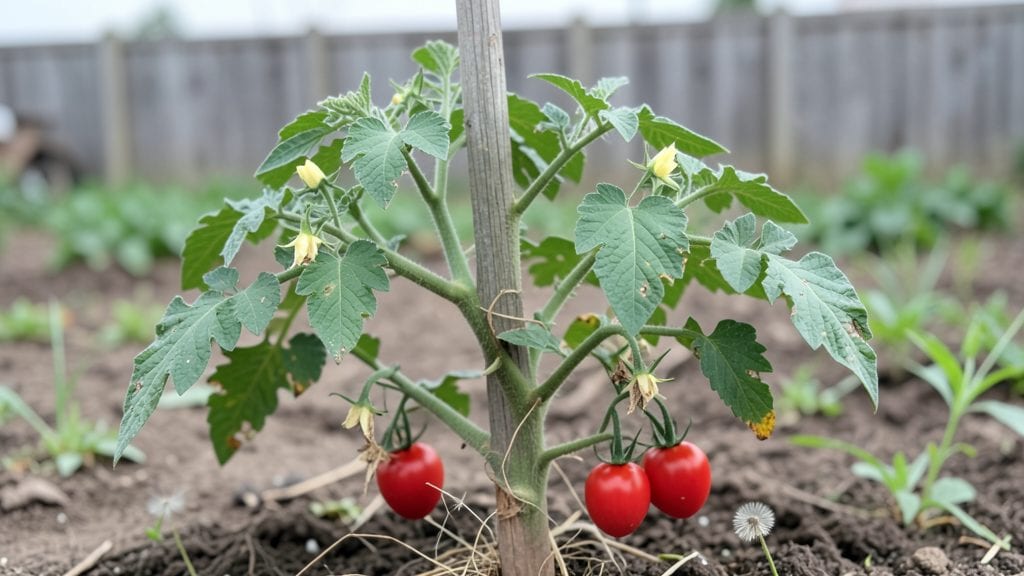
Indeterminate vine tomato plants climb like jungle vines—literally. 🌱 I learned the hard way that letting them sprawl wastes space and yields, but training them on a trellis turns a 3-foot plant into a 10-foot harvest machine that also attracts pollinators.
The key? Choosing the right varieties and support system from day one.
Start with heirlooms like 'Brandywine' or 'Cherokee Purple,' which keep producing until frost. You'll need a sturdy 6-foot trellis or stakes spaced 18 inches apart, plus a balanced soil mix rich in compost.
These vines crave full sun (6+ hours daily) and consistent moisture—dry spells lead to blossom-end rot, so mulch heavily.
Pruning becomes your new hobby: pinch off suckers (those little shoots in leaf axils) to direct energy upward, and tie main stems to the trellis every 10-12 inches.
With proper training, you'll harvest 20-30 pounds per plant—enough to share jars of sauce with neighbors while your sprawling neighbors watch in envy.
Bonus: the vertical growth creates a pollinator highway, with bees zipping through the foliage to service nearby flowers. Just watch for hornworms hiding in the leaves—they'll devour your plants faster than you can say "salsa night."
📚 In This Guide
- What you need
- Instructions
- Tips and common mistakes
- Wrapping up and next steps
What you need
- ● Vine tomato seeds or seedlings: Choose varieties like ‘Cherokee Purple’, ‘Brandywine’, or ‘Sungold’ (2–4 plants per trellis). Start seeds indoors 6–8 weeks before the last frost or buy healthy transplants.
- ● Trellis system: Permanent trellis: A sturdy blank">picket fence, blank">A-frame, or blank">cattle panel arch (8–10 ft tall, 4–6 ft wide). Use galvanized metal or untreated wood.
- ● Temporary trellis: Bamboo stakes (5–6 ft tall) or blank">tomato cages (5–7 ft diameter) for smaller setups.
- ● Companion plants: Pollinator magnets like basil, marigolds, nasturtiums, or borage (plant 1–2 ft away from tomatoes).
- ● Soil amendments: Compost (1–2 gallons per plant), aged manure, or a balanced organic fertilizer (10-10-10 or 5-5-5).
- ● Garden tools: Trowel, pruners (sterilized), gloves, and a watering can or hose with a gentle spray nozzle.
- ● Support materials: Twine or soft plant ties (jute or Velcro strips to avoid damaging stems).
- ○ Optional but helpful: Mulch (straw or shredded leaves) to retain moisture.
- ● Drip irrigation kit for consistent watering.
- ● Row covers (floating fabric) to protect seedlings from pests.
- ● Sunlight: A full-sun spot (6–8+ hours of direct sunlight daily). Vine tomatoes thrive in warm climates or greenhouses.
- ● Spacious planting area: Space trellises 3–4 ft apart to allow airflow and pollinator access.
- ● Well-draining soil: Vine tomatoes hate soggy roots—amend clay soil with sand or peat moss if needed. Aim for a pH of 6.0–6.8.
- ● Pollinator-friendly zone: Avoid pesticides! Plant nectar-rich flowers nearby to attract bees and butterflies.
Step-by-Step guide to growing vine tomato plants on a trellis
Let’s turn those sprawling vines into productive, space-saving powerhouses with this simple trellis system.
🪴 Step 1: Set Up a Sturdy Trellis for Support
Choose a 5-foot-tall trellis (like a sturdy wooden frame or metal grid) for each plant. I like using 4-foot-wide mesh panels—they’re lightweight but strong enough to hold heavy fruit. Anchor the trellis firmly into the ground or attach it to a fence with galvanized wire to prevent tipping when vines get lush.
Position the trellis where it gets full sun (6-8 hours daily)—vine tomatoes thrive with strong light. If your garden gets afternoon shade, place the trellis in the sunniest spot available. The more light, the bigger your harvest. I always check for even spacing between supports so vines can climb without crowding.
🌱 Step 2: Plant Vine Tomatoes with Proper Spacing
Dig a hole twice as wide as the root ball but only as deep as the container the plant came in. Vine tomatoes need 3-4 feet of space between plants to avoid competition. Gently remove the plant from its pot, loosen the roots if they’re circling, and place it in the hole so the top of the root ball sits just below soil level. This prevents rot while keeping the stem stable.
Fill the hole with soil, pressing lightly to remove air pockets. Water deeply right after planting—1 gallon per plant—to help roots settle. I like to add a handful of compost to the backfill soil for extra nutrients. Avoid burying stems too deep; vine tomatoes are sensitive to soil smothering.
☀️ Step 3: Train Vines Early for Maximum Growth
As soon as your vine tomato plants reach 12 inches tall, start guiding them onto the trellis. Use soft plant ties or twine (not wire—it can cut into stems) to secure the main stem to the trellis. I tie the vine at 1-foot intervals to encourage upward growth. Let side shoots (suckers) grow naturally—they’ll develop into fruit-bearing branches later.
Prune aggressively at this stage: remove all suckers below the first flower cluster. This redirects energy to fruit production. Watch for yellowing leaves—they’re a sign of overwatering or nutrient deficiency. Adjust watering to 1 inch per week (more in extreme heat) and fertilize lightly with balanced 10-10-10 if leaves look pale.
✂️ Step 4: Maintain and Harvest for Pollinator Success
Once flowers appear, hand-pollinate by gently shaking the trellis or using a small brush to transfer pollen. Vine tomatoes rely on bees, but a good shake ensures fruit sets even if pollinators are scarce. Prune spent flowers (deadhead) to encourage more blooms, but leave some for fruit development. I harvest every 2-3 days when tomatoes are fully colored and slightly soft—this prevents overripe fruit from weighing down vines.
Keep an eye out for pests like hornworms—they love vine tomatoes. I spot-check leaves daily and remove them by hand. Mulch around the base with straw or grass clippings to retain moisture and suppress weeds. The trellis keeps fruit off the ground, reducing rot and making harvests easier. With this setup, you’ll get 30-40% more tomatoes than from untrellised plants!
Tips & tricks for perfect vine tomato growth
A few key tricks will help you maximize your vine tomato harvest and avoid common gardening pitfalls.
The Trellis Foundation: In Step 1, don't skimp on trellis stability. I've seen 5-foot-tall trellises topple when vines reach full maturity—especially with heavy fruit. Bury the base of wooden trellises at least 6 inches deep or use heavy-duty stakes. For metal grids, secure them with galvanized wire at both top and bottom corners. This prevents the classic "trellis lean" that can snap vines during storms.
Root Care in Step 2: That 1 gallon of water after planting is non-negotiable, but here's what nobody tells you: tap the soil firmly around the root ball after watering to eliminate air pockets. I've found that plants with air gaps in their roots struggle to establish, even with proper spacing. Also, if your soil feels dense, mix in a handful of compost directly into the planting hole—this improves drainage while keeping roots moist.
Pruning Strategy in Step 3: When removing suckers below the first flower cluster, don't be afraid to be aggressive. I've seen gardeners hesitate and end up with leggy plants. Focus on keeping only the strongest suckers that form in the leaf axils above the first flower cluster. These will become your fruit-bearing branches. Watch for yellowing leaves—this is your cue to adjust watering to exactly 1 inch per week (use a rain gauge to measure accurately).
Harvest Timing in Step 4: That 2-3 day harvest window is crucial for maintaining plant health. Overripe tomatoes on the vine can attract pests and actually reduce next year's fruit production. Here's my trick: harvest in the morning when tomatoes are cool and firm. Store them at room temperature (not in the fridge) to maintain their flavor and texture. If you notice fruit cracking, it's usually a sign of uneven watering—try watering more consistently at the base rather than overhead.
Pro Tips for Vine Tomato Plants
- A few key tricks will help you maximize your vine tomato harvest and avoid common gardening pitfalls.
- The Trellis Foundation: In Step 1, don't skimp on trellis stability.
- Root Care in Step 2: That 1 gallon of water after planting is non-negotiable, but here's what nobody tells you: tap the soil firmly around the root ball after watering to eliminate air pockets.
Frequently asked questions
Got questions about growing vine tomato plants with trellises and pollinator-friendly companions? Here are some of the most common queries—and their answers—to help you cultivate a thriving, bountiful garden!
What’s the best trellis material for vine tomatoes?
Lightweight yet sturdy materials like bamboo stakes, galvanized wire cages, or wooden A-frames work best. Avoid heavy materials that could snap under the weight of ripening fruit. For pollinator-friendly gardens, opt for natural options like bamboo or untreated wood to blend seamlessly with your landscape.
How long does it take for vine tomatoes to produce fruit?
Vine tomatoes typically take 60–85 days to bear fruit after transplanting, depending on the variety and climate. Start seeds indoors 6–8 weeks before the last frost for a head start. Patience pays off—healthy vines will reward you with clusters of juicy tomatoes in late summer or early fall!
Which pollinator-friendly plants pair best with vine tomatoes?
Companion plants like basil, marigolds, borage, and nasturtiums attract bees and deter pests. Basil also improves tomato flavor! Avoid planting near fennel or brinjals (eggplants), as they compete for nutrients or stunt growth.
Why are my vine tomato leaves yellowing or curling?
Yellowing leaves often signal overwatering or nutrient deficiency (like nitrogen or magnesium). Curling could mean heat stress, aphids, or early blight. Prune affected leaves, ensure proper drainage, and apply a balanced fertilizer. For pests, introduce ladybugs or spray neem oil.
Can I grow vine tomatoes in containers?
Choose a 5-gallon container or larger with drainage holes. Use a lightweight potting mix and a sturdy trellis or tomato cage. Dwarf or cherry varieties like ‘Tiny Tim’ or ‘Sweet 100’ thrive in containers. Just ensure they get 6–8 hours of sun daily and consistent watering.
Wrapping up and next steps
Growing vine tomato plants alongside pollinator-friendly trellis companions isn’t just smart—it’s a game-changer for your garden! 🌱🐝 By harnessing the power of companion planting, you’ll enjoy healthier plants, bigger yields, and a thriving ecosystem that keeps pests at bay naturally.
Whether you’re a seasoned gardener or just starting out, these partnerships make harvesting easier and more rewarding.
Now that you’re armed with the right knowledge, roll up your sleeves and get planting! Start small with a few trellises and observe how your vine tomatoes flourish.
Before you know it, you’ll be sharing homegrown tomatoes with neighbors—and maybe even winning the best harvest bragging rights in your community. Happy gardening! 🌿