
Pruning
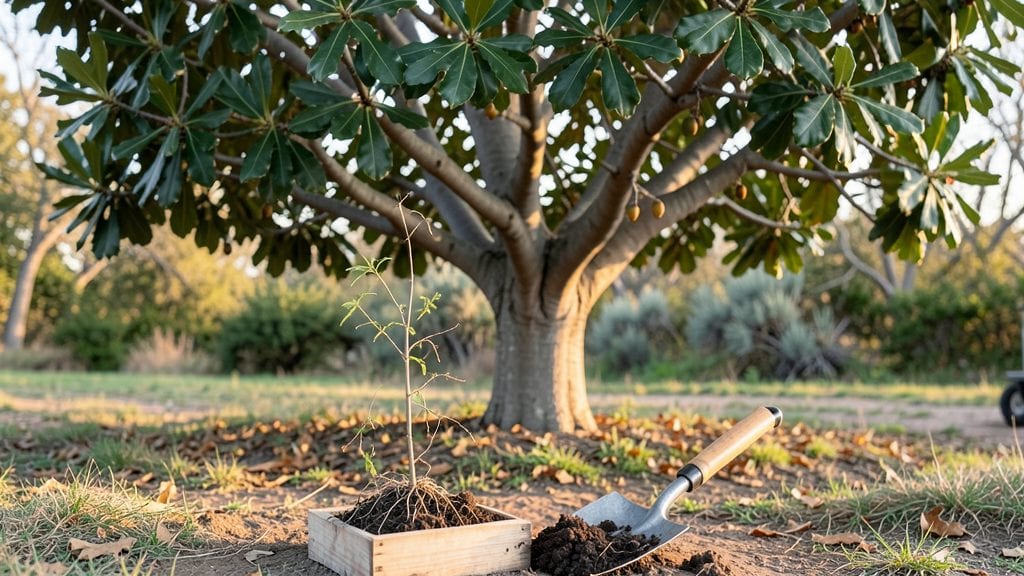
Planting trees in Sonoma County transforms your yard into a thriving, drought-smart ecosystem that actually survives our dry summers. 🌿 I’ve planted everything from coastal live oaks to manzanita shrubs here, and the key is matching the right species to our microclimates—whether you’re in the foggy hills or the hotter inland valleys.
The secret isn’t just digging a hole—it’s prepping soil that drains well but holds moisture, spacing trees to avoid future competition, and watering deeply but infrequently to build root resilience.
Native species like California sycamore or toyon handle our wild swings in temperature and rainfall without extra fuss, plus they support local wildlife better than anything from a nursery.
By late fall or early winter, your tree will be established enough to weather summer droughts, and within a few years, you’ll have shade, wildlife habitat, and fire-resistant landscaping that actually adds value to your home.
The best part? You’ll be doing your part for Sonoma’s long-term water security while enjoying a yard that feels like a mini-redwood forest.
Here’s the step-by-step breakdown—no guesswork, just proven techniques for our unique climate. Let’s get those roots in the ground the right way.
📚 In This Guide
- What you need
- Instructions
- Tips and common mistakes
- Wrapping up and next steps
What you need
- ● Native tree seedlings or saplings: 1–5 (species like California Sycamore, Oak (Quercus spp.), or Toyon—check local nurseries for Sonoma-adapted varieties).
- ● Shovel or digging bar: 1 (for planting holes 2–3x wider than the root ball).
- ● Native soil or compost: 1–2 bags (or 5–10 gallons of locally sourced compost for nutrient-rich soil).
- ● Watering can or hose: 1 (with a gentle spray nozzle for post-planting hydration).
- ● Mulch (wood chips or straw): 2–3 cubic feet (to retain moisture and suppress weeds).
- ● Garden gloves: 1 pair (to protect hands from thorns or rough bark).
- ○ Stakes & twine (optional but recommended): 2–4 stakes + twine (for young trees in windy areas).
- ● Tree guards (to protect from wildlife).
- ● Soil pH tester (to ensure optimal conditions for native species).
- ● Drip irrigation kit (for long-term watering efficiency).
- ● Pruning shears (for shaping or removing dead branches post-planting).
Step-by-step guide to planting native trees in Sonoma County
Sonoma County’s mild climate and diverse microclimates make it ideal for year-round tree planting—here’s how to establish thriving native species with minimal stress.
🌱 Step 1: Select the Right Species and Timing for Your Site
Sonoma County’s native trees thrive when matched to their natural habitats. For dry, inland areas, prioritize California live oak (Quercus agrifolia) or toyon (Heteromeles arbutifolia), which tolerate 60-75°F year-round. In coastal or foggy zones, coast live oak (Quercus agrifolia coastal variant) or Pacific dogwood (Cornus nuttallii) excel, handling 50-65°F with ease. Plant between November and March for optimal root establishment—avoid summer heat, which stresses bare-root trees.
I always check the USDA Plant Hardiness Zone Map for Sonoma (Zones 8b-9a), then cross-reference with the California Native Plant Society’s regional guides. For example, valley oak (Quercus lobata) needs well-drained, deep soils—plant it in lowland areas where winter flooding isn’t an issue. If your site has shallow, rocky soil, California sycamore (Platanus racemosa) adapts better with its aggressive root system.
🪴 Step 2: Prepare the Planting Hole and Amend Soil Strategically
Dig a hole twice as wide as the root ball but no deeper—Sonoma’s clay-heavy soils compact easily, and planting too deep suffocates roots. Loosen the sides with a broadfork to encourage root spread into native soil. For clay-heavy sites, mix 3 gallons of compost into the backfill to improve drainage without overwhelming the tree’s microbial balance. I skip synthetic amendments unless testing confirms a pH below 6.0—most natives prefer 6.0-7.5.
Place the tree so the root flare (where roots meet trunk) sits 1-2 inches above ground level. This prevents girdling roots and stem rot. Tap the backfill gently as you add it to eliminate air pockets, then water deeply to settle the soil. A 5-gallon bucket of water per foot of tree height ensures moisture reaches the roots immediately.
☀️ Step 3: Mulch and Water for Long-Term Establishment
Spread 3 inches of wood chips or straw mulch in a 3-foot diameter ring around the base, keeping it 6 inches away from the trunk to prevent rot. In Sonoma’s Mediterranean climate, mulch retains moisture during summer droughts while insulating roots in winter. Water deeply twice weekly for the first month, then taper to once weekly once leaves harden—you’ll know it’s enough when the soil 12 inches down stays moist but not soggy.
Install a drip irrigation line at the drip line (edge of the canopy) for mature trees to mimic natural rainfall patterns. Avoid overhead sprinklers—they waste water and spread disease. For container-grown trees, remove the pot and tease roots gently if they’re circling. Sonoma’s wildfire-prone areas benefit from defensible space: clear mulch and vegetation within 10 feet of the trunk to reduce fire risk.
✂️ Step 4: Prune for Structure and Health in Early Spring
Wait 6-12 months before pruning to let the tree establish its root system first. In early spring, remove dead, diseased, or crossing branches using clean, sharp pruners. Make cuts just outside the branch collar (the swollen area where the branch meets the trunk) to promote faster healing. For fast-growing species like California sycamore, prune in late winter to shape the canopy before new growth begins.
Thin the canopy to allow light penetration—aim for an open-center shape to reduce wind resistance. In Sonoma’s coastal fog belts, avoid heavy pruning in summer, as it stresses the tree during the dry season. Instead, focus on structural pruning in winter when the tree is dormant. Always sterilize tools with 70% isopropyl alcohol between cuts to prevent Phytophthora (a common soilborne pathogen in wet winters).
⏰ Step 5: Monitor and Adjust for Sonoma’s Unique Challenges
Watch for leaf scorch (brown edges) in summer—this often signals underwatering or salt buildup from irrigation. Flush the root zone with 5 gallons of water to leach excess salts. In drought years, deep water every 10-14 days instead of frequent shallow watering. For young trees, install a tree stake only if necessary (e.g., windy sites)—over-reliance weakens trunk strength.
Sonoma’s wildlife can be both helpful and harmful: deer may browse young trees, while woodpeckers can damage bark. Use tree guards for the first 2 years if deer are a problem, but remove them before the tree outgrows the need. Native trees like California bay laurel (Umbellularia californica) attract beneficial insects—plant it near your main tree to create a supportive ecosystem.
Tips & tricks for perfect tree planting in Sonoma County
Sonoma County’s unique climate demands a thoughtful approach—these pro tips will help you establish trees that thrive year-round with minimal stress.
Species Selection Matters: Beyond the recommended species, consider microclimates within your property. For example, California bay laurel thrives in shady, moist areas while toyon handles full sun and dry conditions. I always test soil moisture at different locations for 24 hours before selecting species—this prevents costly mistakes. The 60-75°F range for inland species isn't absolute; coastal variants can tolerate 50-65°F due to fog protection, so adjust based on your specific microclimate.
Soil Preparation Secret: When amending clay-heavy soils in Step 2, I recommend adding 1 part biochar to the 3 gallons of compost for improved water retention and microbial activity. The biochar creates tiny pores that hold moisture while allowing excess to drain—critical for Sonoma's Mediterranean climate. Always test your soil's pH before amending; most natives prefer 6.0-7.5, but some like manzanita tolerate slightly acidic conditions.
Watering Strategy: The deep watering twice weekly for the first month works perfectly, but here's the trick: water in the early morning (between 4-8 AM) to reduce evaporation and fungal growth. I use a 5-gallon bucket with a spout to deliver water directly to the root zone—this ensures 12 inches of soil stays moist without creating soggy conditions. For container-grown trees, soak the root ball thoroughly before planting to reduce transplant shock.
Pruning Precision: When pruning in Step 4, focus on creating an open vase shape rather than just removing dead branches. This allows light penetration to the lower canopy while maintaining structural integrity. For fast-growing species like California sycamore, I recommend pruning in late winter (just before buds swell) to minimize stress. Always sterilize your tools with 70% isopropyl alcohol—this prevents Phytophthora spread, which is particularly problematic in Sonoma's wet winters.
Pro Tips for Tree Planting Sonoma County Ca
- Sonoma County’s unique climate demands a thoughtful approach—these pro tips will help you establish trees that thrive year-round with minimal stress.
- Species Selection Matters: Beyond the recommended species, consider microclimates within your property.
- Soil Preparation Secret: When amending clay-heavy soils in Step 2, I recommend adding 1 part biochar to the 3 gallons of compost for improved water retention and microbial activity.
Frequently asked questions
Got questions about planting trees in Sonoma County? You’re not alone! Here are answers to the most common queries—from timing to troubleshooting—to help you grow a thriving native forest.
What’s the best time of year to plant trees in Sonoma County?
Sonoma’s mild, Mediterranean climate makes fall (October–November) and early spring (February–March) ideal for planting. These seasons offer cooler temps, less competition for water, and ample rainfall—perfect for root establishment. Avoid summer heatwaves, which can stress young trees. Pro tip: Plant on a cloudy day to reduce transplant shock!
Do I need to water my newly planted tree daily?
No! Overwatering is a common mistake. Water deeply 2–3 times per week for the first month, then taper to once a week (or when soil feels dry 2 inches down). Native species like coast live oak or California sycamore are drought-tolerant once established. Use mulch (3–4 inches) to retain moisture and protect roots.
Can I plant a non-native tree in Sonoma County?
While native species (e.g., toyon, madrone, or ceanothus) thrive with minimal care, non-natives like eucalyptus or palm trees can disrupt local ecosystems or require excessive water. Check Sonoma County’s resource conservation district for approved alternatives. Stick to natives for long-term resilience!
Why are my tree’s leaves turning brown after planting?
Brown leaves often signal transplant shock or root damage. Check for:
- Underwatering: Soak the root ball thoroughly.
- Overwatering: Yellow leaves + soggy soil = root rot.
- Pests: Inspect for aphids or spider mites (treat with neem oil).
- Sunburn: If leaves scorch, provide shade for 2–4 weeks.
Where’s the best spot to plant a tree in my Sonoma County yard?
Aim for sunlight exposure matching the species’ needs:
- Full sun (6+ hours): Oak, manzanita, or buckeye.
- Partial shade (3–6 hours): Redwood, dogwood, or toyon.
- Shade (under 3 hours): Ferns or native shrubs (avoid large trees).
Also, keep trees 10–15 feet from structures to prevent root conflicts. Test soil pH (Sonoma’s is often acidic)—amend if needed for your species!
Wrapping up and next steps
Planting native trees in Sonoma County, CA, isn’t just about beautifying your landscape—it’s a powerful way to support local ecosystems, improve air quality, and create a thriving future for generations to come. 🌱 From selecting drought-resistant species to mastering the right techniques, every step you take makes a real difference.
Whether you're a seasoned gardener or a first-time planter, your efforts contribute to a healthier, greener Sonoma County.
Ready to take action? Start small—plant one native tree today! 🌳 Check out local resources like Sonoma County’s Watershed Protection District for expert guidance, workshops, or even volunteer opportunities. Your green thumb can grow into a legacy!