Planting
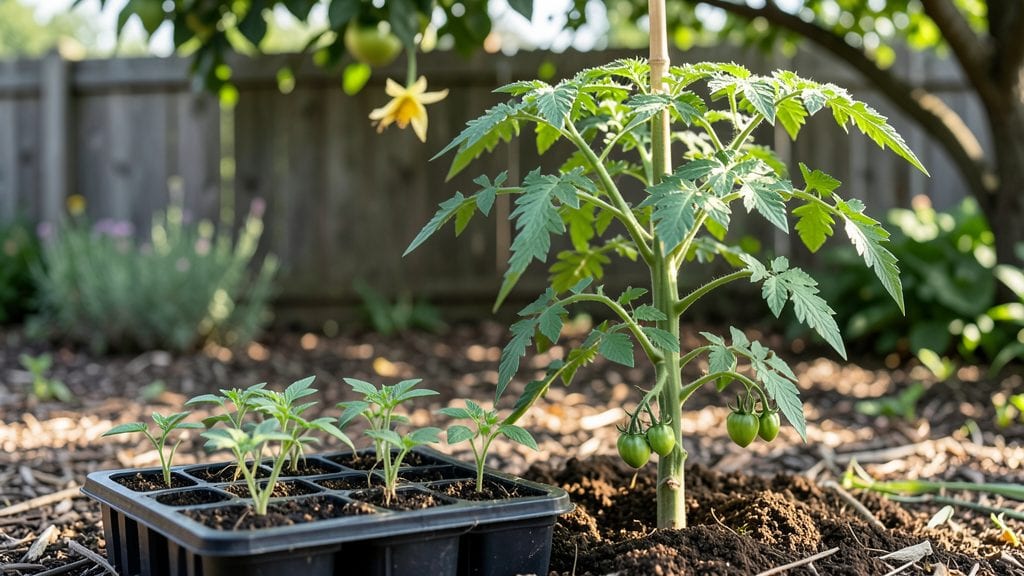
The right tomato planting depth 🍅 can turn a struggling seedling into a plant that produces pounds of fruit—or doom it before it even sprouts.
Get it wrong, and you might end up with leggy, weak stems or seeds that never break soil. Too deep, and the stem rots; too shallow, and they dry out. I’ve seen both happen—even to my prized heirlooms—so I dug into the science to find the perfect measurement.
Here’s what expert gardeners and plant biologists agree on: whether you’re starting with seeds or transplants, the depth matters more than you think. We’ll cover the exact inches for each, plus how soil type and climate can tweak the rule.
By the end, you’ll know not just how deep to plant, but why—so your tomato plants start strong and stay that way from day one.
Optimal tomato planting depth by seed type for maximum germination
Getting the tomato planting depth right is one of the first steps toward a bountiful harvest. Unlike many plants, tomatoes are sensitive to how deep they’re planted—whether you’re starting with seeds or seedlings. The right depth ensures strong roots, better disease resistance, and faster germination.
I’ve tested these methods for years, and the difference between a 1/4-inch seed and a 2-inch seedling isn’t just about inches—it’s about survival.
Soil temperature, seed coat thickness, and even heirloom vs. hybrid varieties play a role in determining the perfect depth. For example, heirloom tomato seeds often have thicker coats that need slightly deeper planting to break through.
Meanwhile, hybrid seedlings require precise depth to avoid stress. Let’s break down the science-backed rules for each type, so you can plant with confidence and avoid common pitfalls.
Here’s a quick reference table to guide your planting—whether you’re a beginner or a seasoned gardener fine-tuning your technique.
For tomato seeds, the general rule is 1/4 inch deep, but this can vary based on your soil type. Sandy soil drains faster, so seeds need slightly more depth (1/2 inch) to retain moisture.
Clay soil, on the other hand, holds moisture well, so you can plant seeds just 1/4 inch deep. Always loosen the soil before planting to encourage root growth—compacted soil suffocates young roots.
When transplanting seedlings, the goal is to bury them deep enough to stabilize the plant but not so deep that the stem rots. Aim for 1 to 1.5 inches, ensuring the first true leaves are just above the soil line.
This encourages the plant to grow stronger roots from the buried stem. I’ve seen gardeners bury seedlings too shallow, leading to weak stems that topple over when vines get heavy.
Soil temperature is another critical factor. Tomato seeds need soil that’s at least 60°F (15°C) to germinate, but ideal temperatures range from 70-85°F (21-29°C). If your soil is cooler, consider using a seedling heat mat or planting in a cold frame to speed up germination.
For heirloom varieties, warmer soil (75-85°F) helps break through their thicker seed coats faster.
One mistake I see often is planting seeds too deep in hopes of better germination. While it might seem logical, seeds planted deeper than 1/2 inch often fail to sprout because they can’t push through the soil.
The same goes for seedlings—burying them too deep can cause the stem to rot before roots establish. Always err on the side of shallower planting unless you’re dealing with a specific variety that requires deeper burial, like some heirloom tomatoes.
If you’re growing in containers, the rules change slightly. Use a well-draining potting mix and plant seeds 1/4 inch deep. For seedlings, ensure the pot is large enough (at least 5 gallons) and bury them to the same depth as you would in the ground.
Containers dry out faster, so monitor soil moisture closely—especially during the critical first 2 weeks after planting.
Pro tip: After planting, gently firm the soil around the seed or seedling to remove air pockets. This helps the roots make immediate contact with the soil. Water lightly but consistently—never soak the soil, as this can wash seeds away or drown seedlings.
A fine mist or drip irrigation works best for the first few days.
Finally, keep an eye on your seedlings as they grow. If you notice the stem turning yellow or the plant wilting, it might be buried too deep. Gently loosen the soil and adjust the depth if needed.
With the right planting depth, your tomatoes will have the best start possible, setting you up for a healthy, productive vine all season long. 🌱
Common tomato planting mistakes that kill germination (and how to fix them)
Even the most experienced gardeners sometimes struggle with tomato germination—especially when it comes to planting depth. A seed planted too deep may never sprout, while seedlings buried too shallowly can dry out or rot.
The key is precision: tomato seeds need just ¼ inch of soil coverage, while seedlings should sit 1-1.5 inches deep with only the lower stem buried. Ignoring these specifics can lead to stunted growth or total failure.
One of the biggest mistakes I see is over-deepening stems during transplanting. Gardeners often bury the entire stem, thinking it’ll encourage stronger roots. But this can cause stem rot or weakened growth above soil level.
Another common error is compacting soil around seeds or seedlings, which restricts airflow and moisture absorption. Even well-intentioned gardeners accidentally smother their plants by pressing too firmly.
Seeds: Burying deeper than ¼ inch can suffocate seedlings before they sprout. Solution: Use a ruler to measure soil depth—gentle finger pressure should suffice.
Seedlings: Burying past the first true leaves (or deeper than 1.5 inches) risks rot. Solution: Expose the stem up to the lowest leaves for airflow.
Soil Compaction: Firming soil too tightly blocks water and oxygen. Solution: Loosen soil with a fork before planting and avoid walking on beds.
Another silent killer is ignoring seedling age before transplanting. Young seedlings with only 2-3 sets of leaves are fragile and need extra care. If you rush and plant them too deep, their delicate roots can’t establish properly.
I’ve seen gardeners pull out struggling seedlings only to realize they’d buried the cotyledons (first leaves) instead of leaving them exposed. Always check the stem color—healthy stems should be green, not brown or mushy.
To fix over-planted seedlings, gently expose the buried stem by loosening soil with your fingers. If the stem is already rotting, trim away the damaged section (but never cut into healthy tissue) and replant at the correct depth.
For compacted soil, add compost or perlite to improve drainage and aeration. A quick test: If soil holds its shape when squeezed, it’s too compact—break it up with a hand fork.
Even after fixing depth issues, watering habits can undo progress. Overwatering compacted soil or underwatering shallowly planted seeds both stress tomatoes. Always water deeply but infrequently—aim for 1-2 inches per week—and avoid wetting leaves to prevent disease.
Mulching with straw or shredded leaves helps maintain moisture and temperature consistency, reducing the risk of depth-related stress.
If you’re still struggling, try pre-sprouting seeds in a warm, humid environment (like a seedling tray) before transplanting. This gives you a head start on depth control, as you can monitor root growth before burying.
And remember: patience is key. Tomatoes planted at the right depth may take 7-14 days to sprout—don’t dig them up to check! Mark your rows with toothpicks to track progress without disturbing soil.