
Diseases
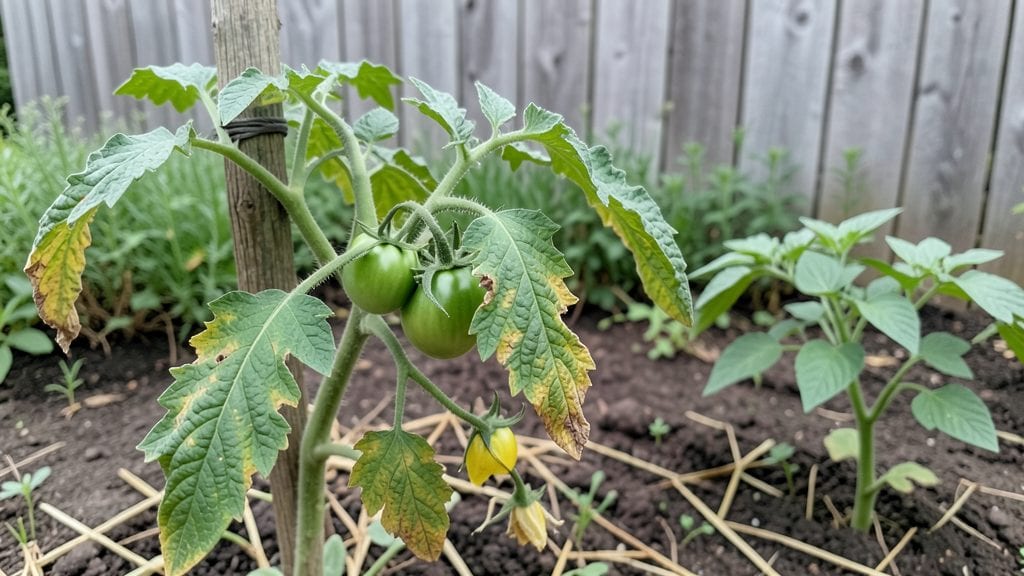
Tomato wilt disease can turn a thriving vine into a sad, drooping mess in days. 🌱 I’ve seen it strike healthy plants mid-summer, and the frustration of losing a whole crop is real—especially when you’ve nurtured those seedlings since spring.
The good news? Catching it early and acting fast can save your harvest.
Most wilting isn’t just thirst—it’s often Fusarium or Verticillium wilt, fungal invaders that clog a plant’s water pipes. You’ll spot yellowing leaves, stunted growth, and stems that feel hollow when squeezed.
Overwatering or crowded plants make it worse, but even healthy-looking soil can hide the problem. The key is acting before the disease spreads to other tomatoes.
With organic cures like companion planting (marigolds deter pests), soil solarization (killing fungi with clear plastic), and resistant varieties (like ‘Mountain Merit’), you can fight back.
Prune infected leaves immediately and rotate crops next season—this isn’t a quick fix, but it works. Your next harvest could be the one that survives.
This guide covers the exact steps we’ve used to rescue wilting plants, from diagnosing the issue to long-term prevention. No more guessing—just actionable fixes that keep your garden productive. Let’s get those tomatoes back to standing tall.
Root Causes Of Sudden Wilting
When your tomato plants start wilting unexpectedly, it’s often a sign that something is disrupting their ability to absorb water and nutrients. Understanding the why behind wilting helps you take targeted action before the plant declines further.
Below, we break down the most common culprits—from hidden pests to environmental stress—and explain the science behind each one.
Fungal pathogens like Fusarium oxysporum and Verticillium dahliae are notorious for causing vascular wilt diseases in tomatoes. These fungi invade the plant’s xylem (water-transporting vessels), clogging them with sticky spores and fungal threads called hyphae. As a result, water and nutrients can’t move upward, leading to:
- Sudden drooping (even when soil is moist)
- Yellowing leaves (starting at the bottom)
- Stunted growth or dieback in one branch
Pro tip: 🔥 Fungal wilts thrive in warm, wet conditions. If your plants wilt in the afternoon but recover at night, fungal infection is likely. No cure exists once infected, so prevention (crop rotation, resistant varieties) is key.
Pests like aphids, whiteflies, and tomato hornworms weaken tomato plants by:
- Sap-sucking: Aphids and whiteflies pierce stems and leaves, injecting toxins that disrupt water flow and cause wilting.
- Stem boring: Hornworms chew into stems, severing vascular tissues and creating entry points for secondary infections.
- Root feeding: Grubs or nematodes damage roots, reducing the plant’s ability to uptake water.
Watch for: 🌡️ Sticky residue (honeydew) on leaves or wilting that worsens in clusters. Act fast—handpick pests or use neem oil to disrupt their life cycles.
Tomatoes are sensitive to water imbalances, and both extremes trigger wilting:
| Cause | Signs | Science Behind It |
|---|---|---|
| Underwatering | Leaves curl, soil pulls away from pot edges, wilting throughout the day. | Cells lose turgor pressure (rigidity) when water is scarce, causing leaves to droop. Roots shrink and struggle to absorb moisture. |
| Overwatering | Yellowing leaves, mushy stems, wilting even in wet soil. | Excess water displaces oxygen in soil, suffocating roots. Pythium or Phytophthora fungi exploit this, rotting roots and blocking water uptake. |
| Inconsistent watering | Wilting that recovers temporarily after watering but returns. | Uneven moisture stresses roots, causing osmotic shock—cells can’t regulate water balance, leading to permanent damage. |
Pro tip: ✨ Water deeply 1–2 times per week (depending on climate) and check soil moisture 2 inches down—if dry, it’s time to water.
Tomatoes are heat-loving but wilt under extreme conditions:
- Heat stress: Temperatures above 90°F (32°C) cause stomata (leaf pores) to close to conserve water, reducing photosynthesis. Wilting occurs even with adequate soil moisture.
- Drought: Prolonged dry spells force roots to work harder, but if the soil becomes compacted or crusty, water can’t reach the roots.
- Salt buildup: Over-fertilizing or poor-quality water increases soil salinity, making it harder for roots to absorb water (a condition called osmotic stress).
Solution: 💡 Provide afternoon shade in peak summer, mulch to retain moisture, and use rainwater or filtered water to avoid salt accumulation.
Healthy roots are essential for water uptake, but these problems can strangle them:
- Compacted soil: Heavy foot traffic or clay soil compresses roots, reducing oxygen and water access. Wilting worsens after rain because water pools instead of draining.
- Root rot: Fungi like Pythium thrive in waterlogged soil, rotting roots and cutting off the plant’s water supply. Look for black, mushy roots and a foul odor.
- Girdling roots: Roots growing in circles around the stem (common in container-grown tomatoes) constrict the stem, blocking water flow.
Fix it: 🔥 Loosen soil around roots with a fork, avoid over-potting, and ensure containers have drainage holes to prevent waterlogging.
Fixing Wilted Tomato Plants Naturally
When your tomato plants start wilting, acting fast is key to saving your harvest. Below are practical, organic solutions tailored to the most common causes—from fungal infections to environmental stressors. Each fix includes prevention tips to keep your plants thriving long-term.
🔥 Step 1: Remove Infected Plants Immediately
- Pull up wilting plants (especially if stems turn brown/black inside).
- Dispose of them in the trash (not compost)—these fungi survive in soil for years.
- Pro tip: 💡 Sterilize tools with rubbing alcohol between plants to avoid cross-contamination.
🍳 Step 2: Boost Soil Health with Fungicides
- Neem oil spray (1 tbsp neem oil + 1 tsp mild soap + 1 quart water): Spray foliage and soil weekly for 2–3 weeks.
- Baking soda solution (1 tbsp baking soda + 1 quart water + few drops of dish soap): Drench roots and leaves.
- Pro tip: 🌡️ Water in the morning to prevent fungal spores from thriving in damp conditions.
👨🍳 Step 3: Improve Drainage & Soil Structure
- Amend soil with compost, perlite, or coarse sand to prevent waterlogging.
- Raise beds slightly or add gravel layers at the bottom of containers.
- Pro tip: ✨ Plant resistant varieties like ‘Mountain Merit’ or ‘Defiant PhR’ next season.
⏰ Prevention for Next Year:
- Rotate crops: Avoid planting tomatoes (or nightshades) in the same spot for 3–4 years.
- Solarize soil: Cover beds with clear plastic for 4–6 weeks in summer to kill fungi.
🔥 Step 1: Check the Roots
- Gently dig around the base to see if roots are soggy or rotting (smells like mold?).
- Trim mushy roots with sterilized scissors and replant in well-draining soil.
🍳 Step 2: Adjust Watering Habits
- Water deeply but infrequently: Aim for 1–1.5 inches per week (check with a trowel—soil should be dry 1–2 inches down).
- Use drip irrigation (not overhead watering) to keep leaves dry and reduce fungal risk.
- Pro tip: 🎯 Mulch with straw or wood chips (2–3 inches thick) to retain moisture without suffocating roots.
👨🍳 Step 3: Repot or Relocate (If Needed)
- If in containers, add perlite or coconut coir to improve drainage.
- For in-ground plants, create a "hill" around the stem to encourage new root growth.
⏰ Prevention Tips:
- Test soil with a moisture meter or stick your finger in—wilting from overwatering often happens at night.
- Avoid planting in low spots where water pools.
🔥 Step 1: Provide Shade Temporarily
- Use shade cloth (30–50%) or move pots to partial shade for a few days.
- Mist leaves lightly in the evening to cool them down (avoid midday to prevent fungal issues).
🍳 Step 2: Boost Hydration & Nutrients
- Fertilize with compost tea or a balanced organic fertilizer (like 5-5-5) to strengthen plants.
- Add a mulch layer to keep roots cool and retain moisture.
👨🍳 Step 3: Prune for Better Airflow
- Trim lower leaves to improve circulation and reduce heat buildup.
- Stake or cage plants to prevent leaves from touching hot soil.
⏰ Prevention for Future Heatwaves:
- Plant heat-tolerant varieties like ‘Heatmaster’ or ‘Solar Fire’.
- Water deeply before noon to reduce evaporation stress.
🔥 Step 1: Inspect & Remove Pests
- Blast off aphids with a strong stream of water from a hose.
- Wipe leaves with soapy water (1 tsp mild soap per quart of water) for spider mites.
- Nematodes? Plant marigolds nearby as a natural repellent.
🍳 Step 2: Introduce Beneficial Insects
- Ladybugs or lacewings devour aphids—buy them online or attract them with dill or fennel plants.
- Spray neem oil as a deterrent (repeat every 5–7 days).
👨🍳 Step 3: Strengthen Plant Immunity
- Feed with fish emulsion (high in nitrogen) or kelp meal to boost defenses.
- Reduce synthetic fertilizers, which attract pests.
⏰ Prevention Tips:
- Inspect new plants before bringing them home (quarantine for a week).
- Encourage biodiversity—healthy gardens with flowers and herbs deter pests naturally.
🌟 Final Pro Tip: If wilting persists, dig up a plant and check the roots—sometimes the issue is root-bound or compaction. Loosen soil gently and add compost!
Frequently asked questions
Why do my tomato plants wilt in the afternoon but perk up at night?
This classic "afternoon wilt" pattern is a red flag for vascular wilt diseases like Fusarium or Verticillium. These fungal infections clog the plant's water pipes during warm daytime hours, causing drooping. At night, cooler temperatures slow fungal activity, letting the plant temporarily recover. Unfortunately, there's no cure—remove infected plants immediately and sterilize your tools to prevent spreading.
Can I save a tomato plant with bacterial wilt?
No, bacterial wilt is always fatal. Look for yellowing leaves, wilting that happens quickly (even in moist soil), and a milky ooze when you cut open the stem. Unlike fungal wilts, bacterial wilt spreads through sap-sucking insects like squash bugs. Remove infected plants immediately and clean your garden tools with rubbing alcohol to prevent contamination.
How can I tell if my wilting tomato plant needs water or has a disease?
Do the leaf test: Gently tug a leaf—if it snaps easily, the plant is thirsty. If it pulls away with the stem, it's likely diseased. Also check soil moisture 2 inches down: dry soil = thirsty plant; wet soil with wilting = probable disease. For fungal wilts, stems often turn brown when cut open, while healthy stems stay green.
Will pruning my tomato plant help with wilt disease?
Pruning alone won't cure fungal wilts, but it can help manage symptoms. Remove lower leaves to improve airflow and reduce humidity around the plant. For bacterial wilt, pruning spreads the disease faster—remove entire infected plants instead. Focus on prevention: plant resistant varieties, rotate crops, and avoid overhead watering to keep foliage dry.
How long does it take for tomato wilt disease to kill a plant?
Fungal wilts typically progress within 2-4 weeks once symptoms appear, while bacterial wilt can kill a plant in just 5-7 days. The key is early action: remove infected plants immediately, sterilize tools, and treat neighboring plants with neem oil or baking soda spray. Even with treatment, some plants may not recover—focus on saving nearby healthy plants.