
Planting
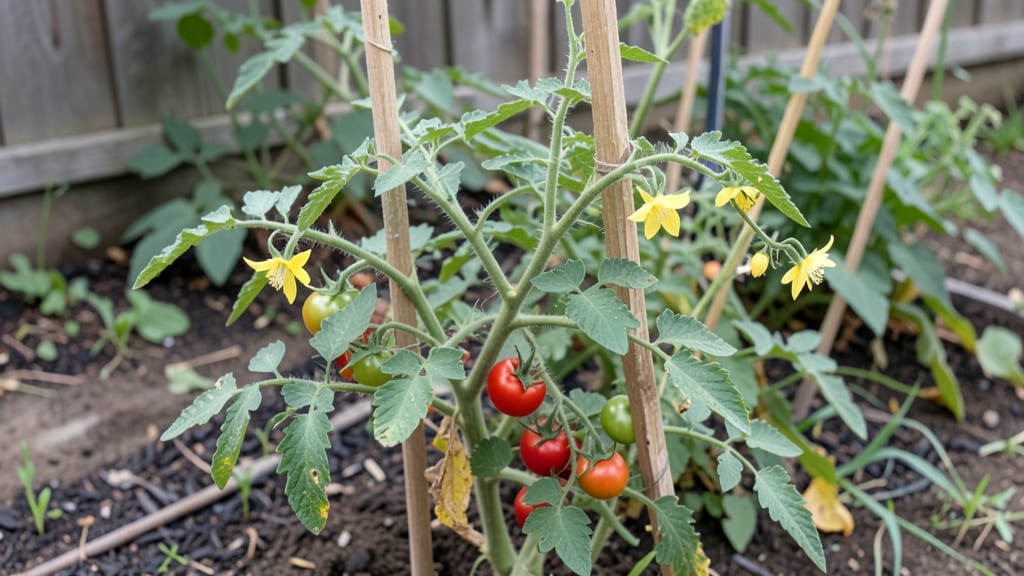
Your tomato plants shouldn’t smell like rotten eggs or sweet decay—tomato plant scent should be fresh, herbal, and faintly sweet, like a summer garden at dusk. 🌿 I’ve spent years growing tomatoes, and that familiar green aroma is a sign of healthy foliage and ripening fruit.
But when something stinks off, it’s your plant’s way of waving a red flag.
The culprits are usually hidden but easy to fix: overwatered roots create that foul, wet smell, while pests like aphids or whiteflies leave behind a sticky, sweet stench. Even nutrient deficiencies can turn your garden into a science experiment gone wrong.
The good news? Most issues are reversible with simple adjustments—better airflow, targeted pest control, or a quick soil check.
You’ll learn to sniff out the difference between a normal tomato plant’s green, grassy scent and the warning signs of trouble. A healthy plant smells clean, almost like fresh basil—nothing overpowering, just vibrant.
Within days of fixing the problem, that fresh herbal aroma will return, and your tomatoes will thank you with bigger, sweeter fruit.
Works for container gardens, raised beds, or in-ground plots—just pay attention to what your plants are trying to tell you. Here’s how to bring back that garden-fresh scent and keep your tomatoes thriving.
📚 In This Guide
- What you need
- Instructions
- Tips and common mistakes
- Wrapping up and next steps
What you need
- ● Tomato plants (2–4 healthy seedlings or seeds, depending on space) Choose scented varieties like ‘Black Krim’, ‘Cherokee Purple’, or ‘Brandywine’ for that extra aromatic punch!
- ● Potting mix or garden soil (5–10 gallons, well-draining and rich in organic matter) Mix in compost (1–2 cups per plant) to boost nutrients and scent.
- ● Containers or garden plot Containers: 5-gallon pots (minimum) with drainage holes.
- ● Garden beds: 6–8 inches deep, with full sun exposure (6+ hours/day).
- ● Watering can or hose with a gentle spray nozzle.
- ● Fertilizer Balanced 10-10-10 or organic options like fish emulsion or worm castings.
- ● Pruning shears (sharp and sterilized to avoid disease).
- ● Mulch (straw, wood chips, or grass clippings to retain moisture and scent).
- ● Herb companions like basil, thyme, or marigolds to enhance the tomato scent.
- ● Cage or stakes (for support, especially for indeterminate varieties).
- ● Essential oil diffuser (nearby, for a double whammy of tomato-y freshness!).
- ● pH test kit (to ensure soil is 6.0–6.8, ideal for tomatoes).
How to restore tomato plants’ natural herbal scent
Here’s how to bring back that fresh, green aroma from your tomato plants—no fancy products needed.
🌿 Step 1: Prune for Better Airflow and Sunlight
Start by removing any yellow or diseased leaves with clean, sharp pruning shears. This isn’t just about looks—better airflow prevents fungal growth, which dulls that fresh tomato scent. Cut back any suckers (those little shoots between the stem and branches) to focus the plant’s energy on fruit production and leaf health.
Watch for leaves that look sad or limp—they’re often hiding pests or disease. Snip them off at the base, and toss them in the trash (not the compost). You’ll notice the plant perking up almost immediately, and that crisp, herbal scent will start returning within a few days.
☀️ Step 2: Ensure Full Sun Exposure
Tomatoes crave 6-8 hours of direct sunlight daily to produce that signature fresh aroma. If your plants are shaded, move them to a sunnier spot or trim nearby trees/shrubs blocking light. You’ll see the difference in just a week—leaves will darken, and that bright, herbal scent will come back strong.
Morning sun is ideal because it dries dew quickly, reducing humidity that can lead to mildew. If you’re growing in containers, rotate them every few days so all sides get even light. You’ll know you’ve got it right when the scent hits you like a wave of fresh basil on a summer morning.
💧 Step 3: Water Deeply at the Base
Overhead watering washes away scent compounds and spreads disease. Instead, water at the soil line with 1-2 gallons per plant every 2-3 days, depending on heat. Let the top 1-2 inches of soil dry out between waterings—soggy roots dull that fresh tomato aroma fast.
Water in the early morning so leaves have all day to dry. You’ll notice the scent strongest in the afternoon when the sun warms the leaves. If the soil feels damp after a few days, cut back—tomatoes hate wet feet.
✂️ Step 4: Fertilize Lightly with Organic Matter
Skip the heavy synthetic fertilizers—they can overpower the natural scent. Instead, mix 1 cup of compost or worm castings into the top 6 inches of soil around each plant. This feeds the roots gently while boosting that fresh, herbal aroma you love.
Hold off on fertilizing if the soil smells sour or musty—that’s a sign of over-fertilization. A light top-dressing of compost every 4-6 weeks keeps the scent vibrant without burning the plants. You’ll smell the difference within a week.
🌱 Step 5: Companion Plant for Natural Scent Boost
Plant basil, marigolds, or borage nearby—their scents complement tomatoes and deter pests that dull the aroma. These companions also improve soil health, which keeps your tomatoes tasting (and smelling) fresher. Space them 12-18 inches away to avoid competition.
Run your hands over the leaves occasionally—this releases more scent compounds. You’ll start noticing that classic tomato fragrance again, stronger than ever. If pests show up, a spray of neem oil (optional) keeps them away without harming the scent.
Tips & tricks for reviving tomato plant scent
Here's what nobody tells you about bringing back that signature tomato aroma—these little-known tricks make all the difference.
Pruning Precision: In Step 1, when you're removing yellow or diseased leaves, focus on the undersides too—this is where fungal spores often hide. I learned this the hard way after pruning only the visible leaves and still getting mildew. Use sterilized shears between plants to prevent cross-contamination. The key is to remove about 20-30% of the foliage—this might seem drastic, but it forces the plant to redirect energy to healthier leaves that produce more scent compounds.
Sunlight Strategy: The 6-8 hours of direct sunlight in Step 2 is non-negotiable for that fresh tomato aroma, but here's what I didn't mention: position your plants so they get morning sun AND afternoon light. Morning sun dries dew quickly, while afternoon sun warms the leaves to release more scent compounds. If you're in a hot climate, provide afternoon shade to prevent leaf scorch—your plants will still produce that fresh aroma without the stress.
Watering Wisdom: When you're watering at the base as directed in Step 3, pay attention to the soil texture. It should feel like a damp sponge—not bone dry, not soggy. I use my finger to check moisture—if the top 1-2 inches feel dry, that's your cue. Watering in the morning also gives leaves time to dry completely, which prevents fungal growth that can dull the scent. For container plants, use pots with drainage holes to prevent waterlogging.
Fertilizer Timing: The 4-6 week compost schedule in Step 4 works wonders, but here's the secret timing: apply compost in early spring when plants are actively growing, then again after harvest. Avoid fertilizing when plants are flowering or fruiting—this can actually reduce the aromatic compounds. I also mix in a handful of coffee grounds (optional) with the compost—they add nitrogen and boost that fresh tomato scent even more!
Pro Tips for Tomato Plant Scent
- Here's what nobody tells you about bringing back that signature tomato aroma—these little-known tricks make all the difference.
- Pruning Precision: In Step 1, when you're removing yellow or diseased leaves, focus on the undersides too—this is where fungal spores often hide.
- Sunlight Strategy: The 6-8 hours of direct sunlight in Step 2 is non-negotiable for that fresh tomato aroma, but here's what I didn't mention: position your plants so they get morning sun AND afternoon light.
Frequently asked questions
Got questions about that intoxicating tomato plant scent? You’re not alone! Here are answers to the most common queries gardeners have about harnessing, troubleshooting, and enjoying the fresh herbal aroma of your tomato plants.
Why does my tomato plant smell so strong?
The rich, herbal scent comes from trichomes—tiny hair-like structures on leaves and stems that release aromatic oils when disturbed. This scent peaks during flowering and fruiting, especially in warm, sunny conditions. It’s nature’s way of attracting pollinators and deterring pests!
When is the best time to experience the strongest tomato plant scent?
The scent is most intense in the late morning to early afternoon, when temperatures are warm and sunlight is bright. For the freshest aroma, gently rub the leaves or stems—just like crushing basil—to release the oils. Morning watering can also enhance the scent by waking up the plant’s natural defenses.
What should I do if my tomato plant smells bad (like rot or mold)?
A foul smell usually signals overwatering, fungal issues, or bacterial rot. Check for soggy soil, yellowing leaves, or dark spots. Immediate fixes:
- Stop watering until the top 2 inches of soil dry out.
- Prune affected leaves and dispose of them (don’t compost!).
- Apply a copper fungicide or neem oil spray for prevention.
Can I use tomato plant scent to repel pests naturally?
The herbal aroma naturally deters aphids, whiteflies, and spider mites. Crush a few leaves and rub them on affected areas, or place cuttings near vulnerable plants. For a stronger effect, blend crushed leaves into water (1:1 ratio) and spray as a homemade repellent. Reapply every 3–5 days.
Does the scent change when tomatoes ripen?
Yes! While the leaves emit a fresh, herbal scent, ripe tomatoes release a sweeter, fruitier aroma thanks to compounds like hexanal and beta-ionone. The scent intensifies when tomatoes are nearly ready to pick—so sniff your plants for a clue! Overripe or fermenting tomatoes may smell sour or alcoholic, signaling it’s time to harvest.
What if my tomato plant doesn’t smell strong at all?
A weak scent could mean nutrient deficiencies (especially nitrogen or potassium), poor sunlight, or stress. Try:
- Moving the plant to a sunnier spot (6+ hours of direct light daily).
- Fertilizing with a balanced tomato feed (10-10-10 or 5-10-10).
- Ensuring well-draining soil—tomatoes hate soggy roots!
Wrapping up and next steps
The enchanting tomato plant scent isn’t just a delightful bonus—it’s a sign of a thriving, healthy garden! By harnessing the right techniques, you can restore that fresh herbal aroma and create a space that’s both vibrant and inviting. 🌱
Now that you’re armed with tips and tricks, why not take the next step? Experiment with companion plants or try propagating a few tomato seedlings to deepen your garden’s fragrance. Happy gardening—your nose (and plants) will thank you!