
Succulent
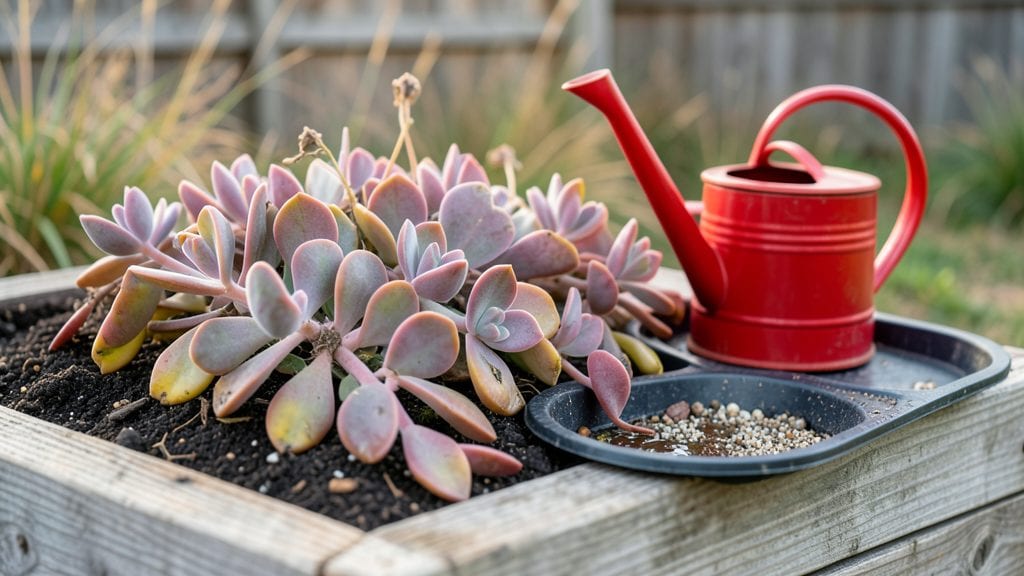
Overwatered ice plant recovery starts with a quick check of the soil—because those plump stems and glossy leaves can’t handle soggy roots for long.
I’ve watched ice plants go from vibrant to wilted in just a few days when I ignored the signs: yellowing leaves, mushy stems, and that telltale stench of rot. The good news?
With the right moves, you can turn things around fast, even if your plant looks like it’s already given up.
Here’s the thing—ice plants thrive on neglect, not coddling. They store water in their leaves and stems, so they need dry soil between waterings. Most people overwater because they assume succulents are always thirsty, but ice plants (Delosperma spp.) are tougher than they look.
Grab a pair of pruners, a well-draining mix, and a pot with drainage holes—those are your tools for revival. Within 24 hours, you’ll see the first signs of recovery if you act fast.
What you’ll end up with is a plant that’s not just alive, but bouncing back with shocking resilience. The key is stopping the rot, improving airflow, and letting the roots dry out completely.
By the end of the week, those crisp, ice-blue flowers will be back in full force, and your plant will look like it never had a problem. The secret? Watering only when the soil is bone-dry, and never letting it sit in saucers of water.
This works for both container-grown ice plants and those in garden beds—just adjust the soil mix to include 50% grit or perlite to keep things airy. Once you’ve got the hang of it, you’ll spot the early warning signs before they become disasters.
Trust me, your ice plant will thank you with vibrant blooms and zero drama.
Root Causes Of Overwatering
If your Delosperma (ice plant) is looking more like a soggy pancake than a vibrant succulent, overwatering is likely the culprit. 🌧️🌱 Understanding the why behind this common issue is the first step to saving your plant.
Let’s break down the key factors that turn your drought-tolerant beauty into a wilted mess.
Ice plants are desert natives—they thrive in well-draining soil that mimics their arid habitat. When planted in containers or garden beds with compacted, clay-heavy, or organic-rich soil, water pools around the roots instead of draining away. This creates a suffocating environment where roots can’t breathe, leading to:
- Root rot: Fungal pathogens like Phytophthora and Pythium flourish in waterlogged conditions, attacking roots within 24–48 hours.
- Oxygen deprivation: Roots need air pockets to absorb nutrients. Saturated soil displaces oxygen, starving the plant and causing leaves to droop.
- Nutrient leaching: Excess water washes away essential minerals (like potassium and magnesium), weakening the plant’s cellular structure.
Actionable fix: Amend soil with perlite, pumice, or coarse sand (20–30% by volume) to improve aeration. For potted plants, ensure containers have drainage holes—no exceptions!
Succulents store water in their leaves and stems, so they don’t need frequent watering. Yet, many gardeners fall into the trap of:
- Watering on a calendar: Sticking to weekly or biweekly schedules ignores the plant’s actual needs (e.g., humidity, temperature, and season).
- Ignoring the soil: Poking a finger 1–2 inches deep into the soil is the gold standard. If it’s damp, wait.
- Mistaking thirst for wilting: Ice plants often shrink slightly when dehydrated—a survival mechanism. Overwatering to "fix" this just accelerates rot.
Pro tip: 💡 Use the "soak-and-dry" method: Water thoroughly until it drains from the bottom, then wait until the top 50% of soil is dry before watering again. In winter, reduce frequency by 50–70%.
A pot that’s too large for an ice plant’s root system creates a perfect storm of overwatering. Here’s why:
| Problem | Why It Happens |
|---|---|
| Excess soil holds moisture longer. | Larger pots take weeks to dry out, even with drainage holes. |
| Root-to-soil ratio is off. | Small roots can’t absorb water fast enough, leading to localized soggy pockets. |
| Temperature fluctuations. | Big pots stay cooler longer, slowing evaporation and trapping humidity near the plant. |
Rule of thumb: Choose a container that’s only 10–20% larger than the root ball. For mature ice plants, a 5–7 inch pot is often ideal. Repot every 2–3 years to refresh the soil.
Ice plants love bright light and dry air. When placed in:
- Low-light spots: Without sunlight, the plant’s natural water-absorption processes slow, making it retain moisture longer.
- Humid environments: High humidity (e.g., bathrooms, kitchens) reduces evaporation from the soil and leaves, keeping the plant permanently damp.
- Indoor settings: Central heating or air conditioning can create microclimates where one side of the plant gets more water than it needs.
Quick solutions:
- Move plants to a south- or west-facing window (6+ hours of direct sun).
- Use a dehumidifier or place pots on pebbles to improve airflow.
- Avoid grouping succulents too closely—they transpire moisture into the air!
Key takeaway: Overwatering is rarely just about how much you water—it’s about how often, where, and how the water interacts with your plant’s environment. Next up: How to reverse the damage in 24 hours or less.
Revive Your Plant Fast
An overwatered ice plant (or Delosperma) can look like a sad, soggy mess—but don’t panic! With the right steps, you can nurse it back to health in 24 hours or less.
Below, we’ll break down the fixes based on the most common causes of overwatering, plus tips to keep your plant thriving long-term.
If your ice plant’s leaves are yellowing, mushy, or falling off, root rot is likely the culprit. This fungal infection thrives in waterlogged soil, suffocating roots and cutting off nutrients.
👨🍳 Step 1: Remove the Plant Gently
- Carefully lift the ice plant from its pot, shaking off excess soil to inspect the roots.
- Healthy roots are firm and white; rotted roots are brown, soft, or smell foul.
🔪 Step 2: Trim the Damaged Roots
- Use sterilized scissors (wipe with rubbing alcohol) to snip off all mushy, dark roots.
- Keep only the firm, white roots—these will help the plant recover.
🌱 Step 3: Repot in Fresh, Dry Soil
- Choose a well-draining pot (terracotta or one with drainage holes).
- Use a cactus/succulent mix (or add perlite/pumice to regular soil for better aeration).
- Let the soil dry out completely for 2–3 days before replanting.
💧 Step 4: Adjust Watering Habits
- Wait 5–7 days before watering again—ice plants store water in their leaves!
- Only water when the top 2 inches of soil are bone-dry (stick your finger in to check).
- Pro Tip: 💡 Use the "soak-and-dry" method—water deeply, then let excess drain away completely.
If your ice plant’s leaves are drooping but not mushy, it’s likely just overly saturated—not yet rotten. This happens when soil stays damp too long, preventing oxygen from reaching roots.
⏰ Step 1: Let It Dry Out
- Stop watering immediately and move the plant to a bright, indirect spot (no direct sun yet—it’s stressed!).
- If possible, prop up drooping leaves with a small stick to help them recover shape.
🌡️ Step 2: Improve Airflow & Light
- Increase airflow by placing a small fan nearby (succulents love gentle breezes).
- Once leaves perk up (usually 12–24 hours), gradually reintroduce morning sun (ice plants need 6+ hours of light daily).
🎯 Step 3: Water Only When Necessary
- Test soil moisture with your finger—if it’s still damp after 3–4 days, wait longer.
- Bottom-watering trick: Place the pot in a tray of water for 10 minutes, then drain excess. This prevents over-saturating the topsoil.
Once your ice plant is back in shape, keep it happy with these easy maintenance hacks:
- 🌡️ Choose the Right Pot: Terracotta pots dry out faster than plastic—great for succulents!
- 💧 Water Less in Winter: Ice plants are dormant in cooler months—cut watering by half.
- 🌱 Use Gravel or Pebbles: Add a 1-inch layer at the bottom of the pot to improve drainage.
- 🔍 Monitor for Pests: Overwatered plants attract fungus gnats—spray soil with neem oil if you see tiny flies.
- 🌿 Fertilize Sparingly: Only feed in spring/summer with a diluted succulent fertilizer (half-strength, once a month).
Remember: Ice plants are drought-tolerant—they’d rather be underwatered than overwatered! With these fixes, your plant should bounce back in no time, and you’ll avoid future soggy disasters. 🌵💚
Frequently asked questions
How do I know if my ice plant is overwatered vs. underwatered?
Check the soil first—if it's damp 1-2 inches deep, you're likely overwatering. Overwatered ice plants show yellowing leaves, mushy stems, and a foul smell from root rot. Underwatered plants have wrinkled, shriveled leaves that feel hollow when pressed. Pro tip: Ice plants store water, so they'll naturally pucker slightly when thirsty—don't confuse this with true dehydration.
Can I save an ice plant with black, squishy stems?
Yes, but act fast! Trim away all blackened stems with sterilized scissors, then repot in dry, gritty soil (50% cactus mix + 50% perlite). Let it dry completely for 3-5 days before watering. Healthy roots will sprout from the base within 1-2 weeks. If no new growth appears after 4 weeks, start fresh with cuttings from unaffected parts.
Why does my ice plant keep getting overwatered even after I fix it?
Most likely, your pot lacks drainage or the soil holds too much moisture. Switch to a terracotta pot with holes and use a mix of 70% mineral soil + 30% coarse sand or pumice. Also check your watering habits—ice plants need water only when the soil is completely dry. Place a moisture meter in the pot to track soil moisture accurately.
Is it safe to use hydrogen peroxide on overwatered ice plants?
Yes, but use it carefully! Mix 1 part 3% hydrogen peroxide with 4 parts water and water your plant with this solution to help prevent fungal growth. Apply only to the soil (not leaves) and use sparingly—once every 2-3 weeks during recovery. This won't replace proper drainage fixes but can help sterilize soggy soil.
How long does it take for an ice plant to fully recover from overwatering?
With proper care, you'll see improvement in 24-48 hours (leaves perking up) and full recovery in 4-6 weeks. New growth should appear within 2-3 weeks if roots are healthy. Be patient—ice plants are resilient but need time to rebuild their root system. Monitor for pests during recovery, as stressed plants attract fungus gnats.