
Watering
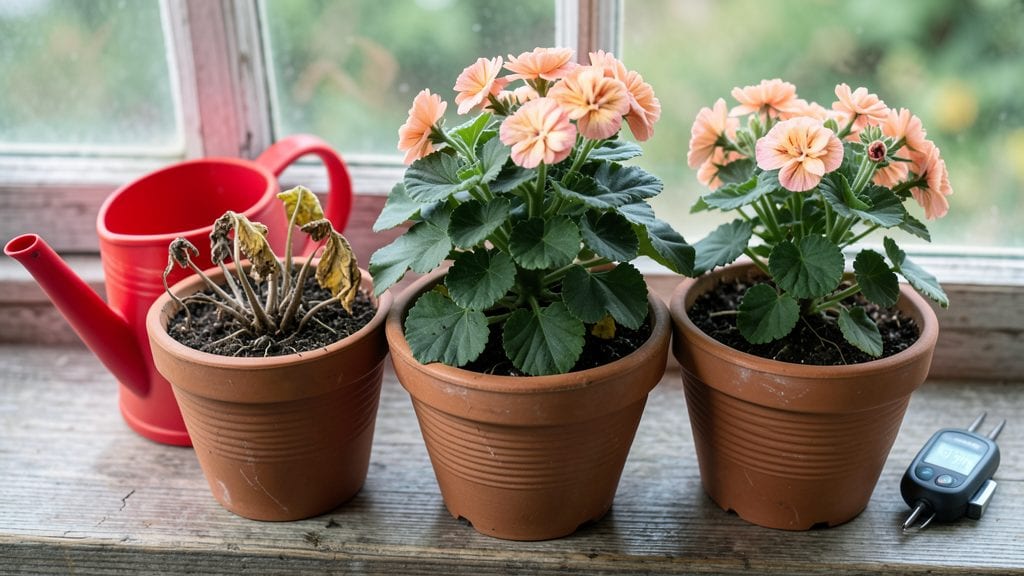
When your plant’s leaves look like they’re either screaming for water or drowning in it, you’ve got the classic underwatered-overwatered plant dilemma—and I’ve saved more than a few from this exact crisis. 🌱 The first time I saw a fern I’d babied with daily waterings turn brown and mushy, I realized most gardeners (myself included) confuse thirsty plants with soggy soil.
The truth is, your plant’s symptoms tell the whole story if you know what to look for.
Here’s the hard-won lesson: dry soil pulls away from the pot edges, while overwatered soil stays clumped and smells sour. Yellow leaves with crisp edges mean thirst, but yellow leaves with soft, mushy stems mean rot.
My garden journal now tracks soil moisture like a weather forecast—finger-checking before watering saved my peace lilies last summer. Once you master these visual cues, you’ll never second-guess again.
By the end of this guide, you’ll diagnose plant stress like a pro and fix it fast. We’re talking revived snapdragons within days and lush basil that stays perky through heatwaves.
The secret? Adjusting your watering rhythm to match your plant’s needs—not your schedule. Let’s turn those sad leaves into happy ones.
Whether you’re battling wilting herbs in a sunny kitchen or soggy ferns in a shady corner, these steps work for every pot and climate. Prevention starts with the right soil mix and drainage—trust me, I’ve buried more plants in compacted dirt than I’d admit.
Here’s how to get it right the first time.
The Hidden Triggers Behind Plant Stress
Your plants may look like they’re thriving, but behind the scenes, watering mistakes are silently sabotaging their health. Whether it’s wilting leaves or mushy stems, the root cause often boils down to a few key factors.
Understanding these triggers helps you adjust your care routine before the damage becomes permanent. Let’s break down the science—and the sneaky habits—behind why plants get underwatered or overwatered.
Not all soil drains the same way, and mismatched soil can turn your watering routine into a guessing game. Plants like succulents and cacti thrive in fast-draining, sandy or gritty soil, while tropical plants (like ferns or calatheas) prefer moisture-retentive, loamy soil. Here’s why this matters:
- Clay-heavy soil holds onto water like a sponge, suffocating roots and leading to overwatering. Even if you think you’re watering lightly, the soil stays soggy for days.
- Sandy or peaty soil dries out in hours, causing underwatering unless you’re vigilant with frequent, shallow waterings.
- Potting mix breakdown: Over time, organic matter decomposes, compacting soil and reducing aeration. This traps water, increasing rot risk.
Actionable fix: Test your soil’s drainage by filling a pot with water—if it drains in under 10 minutes, it’s too fast. If it takes hours, amend with perlite or coconut coir to improve airflow. For heavy clay, mix in vermiculite or orchid bark to create air pockets.
The wrong container can turn your plant into a root prison, where water either pools at the bottom or evaporates too quickly. Material and size play critical roles:
| Pot Material | Risk | Why It Happens |
|---|---|---|
| Unglazed terracotta | Underwatering (summer) or overwatering (winter) | Porous clay wicks moisture from soil—great for drought-tolerant plants but disastrous for moisture-lovers in dry climates. |
| Plastic or glazed ceramic | Overwatering | Non-porous surfaces prevent evaporation, keeping soil damp longer. Roots suffocate if water isn’t drained properly. |
| Too small or no drainage holes | Both! | Small pots dry out fast (underwatering), while pots without holes become waterlogged (overwatering). |
Actionable fix: Upgrade to a pot 2–3 inches larger in diameter than the root ball for stability. If repotting isn’t an option, water less frequently in plastic pots and move terracotta pots indoors in winter to slow moisture loss.
Light isn’t just about photosynthesis—it directly controls evaporation rates in the soil. Plants in bright, sunny spots lose moisture 3–5x faster than those in shade, yet many gardeners don’t adjust their watering schedule accordingly.
- Low light = slower evaporation: Soil stays damp longer, increasing rot risk if you water on a fixed schedule.
- High light = rapid drying: Succulents may need water every 2–3 weeks, while a fern in the same light might drown in a week.
- Seasonal shifts: Winter light is weaker, so plants need 30–50% less water than in summer, even if temps drop.
Actionable fix: Check soil moisture with your finger (insert 1–2 inches deep) instead of relying on days since last watering. In bright windows, water deeply but less often; in shade, water lightly and more frequently.
Plants don’t like feast-or-famine watering. Their roots adapt to a rhythm, and abrupt changes—like skipping a week then drowning them—create stress. Here’s how inconsistent habits backfire:
- Shallow, frequent watering keeps the topsoil wet while lower roots dry out, leading to thirsty roots that can’t access moisture.
- Infrequent deep watering can cause roots to over-extend toward moisture, making them brittle and prone to breakage.
- Random schedules (e.g., watering when you remember) prevent roots from developing a steady moisture balance.
Actionable fix: Stick to a consistent schedule (e.g., every 7–10 days for most houseplants) and water deeply—until liquid runs out the drainage hole. If you travel, use a self-watering globe or group plants with similar needs together.
Heat and humidity don’t just affect how you feel—they dictate how fast your plant’s soil dries out. High temps + low humidity = desert-like conditions for your roots, while cool, humid air can turn soil into a swamp.
- Dry air (common in winter or AC-heavy rooms): Soil loses moisture 2x faster near vents or sunny windowsills.
- Humid climates (or kitchens/bathrooms): Soil stays damp longer, even if you water lightly.
- Cold drafts: Roots slow down in chilly spots, reducing their ability to absorb water—leading to waterlogged soil if you keep watering as usual.
Actionable fix: Group plants with high humidity needs (like calatheas or peace lilies) in bathrooms or on pebble trays. For dry air, mist leaves occasionally or use a humidifier. In winter, move pots away from cold windows to prevent root shock.
Root rot, fungal infections, and even sap-sucking pests (like spider mites or scale) disrupt a plant’s ability to regulate water. Here’s how they sabotage your efforts:
- Fungal root rot: Blocks water uptake, making leaves crispy even when soil is wet.
- Pests: Damage roots or leaves, increasing transpiration (water loss through leaves), so plants dry out faster.
- Bacterial infections: Clog xylem (the plant’s water transport system), causing wilting despite soggy soil.
Actionable fix: Inspect roots during repotting—healthy roots are firm and white; mushy or black roots mean trim and sterilize with hydrogen peroxide. For pests, wipe leaves with neem oil and check soil for webbing or sticky residue.
Fixing Your Plant’s Water Woes
Now that you’ve spotted the signs—crispy edges, wilting stems, or yellowing leaves—it’s time to take action! The good news? Most watering issues are reversible with the right adjustments. Below, we’ll map out practical fixes based on your plant’s symptoms, plus prevention tips to keep it thriving long-term.
If your plant is thirsty, the first step is hydration—but don’t overdo it. Follow these steps to nurse it back to health:
🔥 Step 1: Deep Watering (Not Just a Spritz)
- How to do it: Stick your finger 1–2 inches into the soil.
If it’s dry, water until liquid drains out the bottom of the pot (or saucer). - Pro tip: 💡 For potted plants, let the water run through completely—this ensures roots get oxygen and don’t rot. Dump excess water from the saucer after 10 minutes.
🍳 Step 2: Adjust Your Watering Schedule
Underwatering often happens because we forget—or water too infrequently. Check soil moisture (not just the surface!) every 3–7 days, depending on:
- Plant type (succulents need less; ferns need more).
- Pot size (small pots dry faster).
- Environment (sunny spots = more evaporation).
👨🍳 Step 3: Improve Drainage & Soil
- Drainage first: If your pot has no holes, transfer your plant to one with drainage. No-drainage pots trap water, leading to root rot.
- Soil upgrade: Mix in perlite, sand, or coconut coir to improve aeration.
A well-draining mix prevents compaction, which suffocates roots.
🥘 Step 4: Mist & Humidity Boost (For Tropical Plants)
If your plant’s leaves are crispy but still attached, it might need humidity.
Try: - Misting leaves lightly (avoid soggy soil). - Grouping plants together to create a microclimate. - Using a pebble tray (fill a tray with water and pebbles, place the pot on top).
⏰ Step 5: Trim Damaged Leaves (But Not Too Much!)
- Snip off brown, crispy leaves with clean scissors to redirect energy to healthy growth.
- Avoid pruning more than 20%—your plant is already stressed!
Yellow leaves, mushy stems, or a foul smell? Your plant’s roots are drowning. Act fast but gently to avoid shocking it further.
🔥 Step 1: Let the Soil Dry Out
- Stop watering immediately and move the plant to a shady spot (sun + wet soil = recipe for rot).
- Check soil moisture daily. If the top 1–2 inches are still damp after 2–3 days, hold off.
🍳 Step 2: Repot in Fresh, Dry Soil
- Remove the plant from its pot and gently loosen the roots to check for rot (black/mushy = bad).
- Trim rotten roots with sterilized scissors, then repot in well-draining soil (cactus mix works for many plants).
- Use a slightly larger pot (1–2 inches bigger) to give roots room to breathe.
👨🍳 Step 3: Improve Airflow & Light
- Space out plants to reduce humidity around the roots.
- Increase indirect light (but avoid harsh sun if the plant was previously shade-loving).
- Use a fan on low setting near the plant to encourage evaporation.
🥘 Step 4: Adjust Future Watering Habits
- Water only when the top 50% of soil is dry (use a moisture meter if unsure).
- Bottom-watering trick: Place the pot in a tray of water for 10–15 minutes, then drain.
This gives roots control over hydration. - Avoid ice cube watering—it can shock roots and worsen rot.
🔪 Step 5: Fungicide (For Severe Cases)
If you see black spots, mold, or a slimy texture, your plant may have fungus.
Treat with: - Hydrogen peroxide (3%) – Mix 1 tbsp per cup of water, spray lightly on soil (not leaves). - Neem oil – Natural fungicide; follow package instructions. - Copper fungicide – For stubborn cases (use sparingly).
Once your plant is back on track, prevent future mishaps with these habits:
| Problem | Prevention Tip | 💡 Pro Tip |
|---|---|---|
| Underwatering | Water consistently (same time daily) and use a moisture meter. | 🌡️ Stick a chopstick in the soil—if it comes out clean, water! |
| Overwatering | Weigh your pot—if it’s lighter than usual, it’s time to water. | ✨ Use terracotta pots—they dry out faster than plastic. |
| Poor Drainage | Always use pots with holes and elevate them off surfaces. | 🔥 Avoid saucers unless you empty them post-watering. |
| Wrong Soil | Research your plant’s native habitat (jungle = moist; desert = dry). | 🥗 Succulents? Mix in 30% perlite. |
| Seasonal Changes | Adjust watering in winter (plants grow slower) and summer (more evaporation). | 🎯 Winter rule: Water half as much as summer. |
Unsure if your plant is underwatered or overwatered? Do this:
- Lift the pot—if it’s light, it needs water.
- Press the soil—if it feels dry and crumbly, hydrate.
- Check leaves—wilting + dry soil = thirsty; yellow + mushy = too wet.
Most plants bounce back in 2–4 weeks with consistent care. Patience is key! 🌿
Frequently asked questions
How can I tell if my plant is thirsty or drowning?
Check the soil first—stick your finger 1–2 inches deep. If it's bone-dry and pulling away from the pot edges, your plant needs water. For overwatering, look for mushy stems, yellow leaves with soft spots, or soil that smells sour. A quick lift test helps too: a light pot signals thirst, while a heavy one often means soggy roots.
Why do some plants wilt even when the soil feels moist?
This usually means root rot or poor drainage. Fungal infections block water uptake, so leaves wilt despite wet soil. Check for black, mushy roots—if present, trim the damaged ones and repot in fresh, well-draining mix. For prevention, always use pots with drainage holes and avoid saucers that trap excess water.
Can I save a plant with crispy, brown edges?
Yes! Trim the damaged leaves (never more than 20% of the plant) and adjust care. For underwatered plants, give them a deep watering and increase humidity with a pebble tray. Overwatered plants need drier soil—let the top 1–2 inches dry completely before watering again. Most plants recover in 2–4 weeks with consistent adjustments.
What’s the best way to test soil moisture without a meter?
Use the finger test: Insert your index finger 1–2 inches deep into the soil. If it feels dry and crumbly, water is needed. For a visual check, lift the pot—if it’s lighter than usual, the soil is dry. Pro tip: Press soil between fingers—if it sticks together like wet sand, hold off on watering. This works for 90% of houseplants.
How often should I water my succulents vs. ferns?
Succulents thrive on infrequent, deep watering—every 2–3 weeks in summer, once a month in winter. Ferns need consistent moisture: water when the top ½ inch of soil feels dry (usually every 5–7 days). The key difference? Succulents store water in their leaves, while ferns rely on frequent hydration. Always use well-draining soil for both!