
Planting
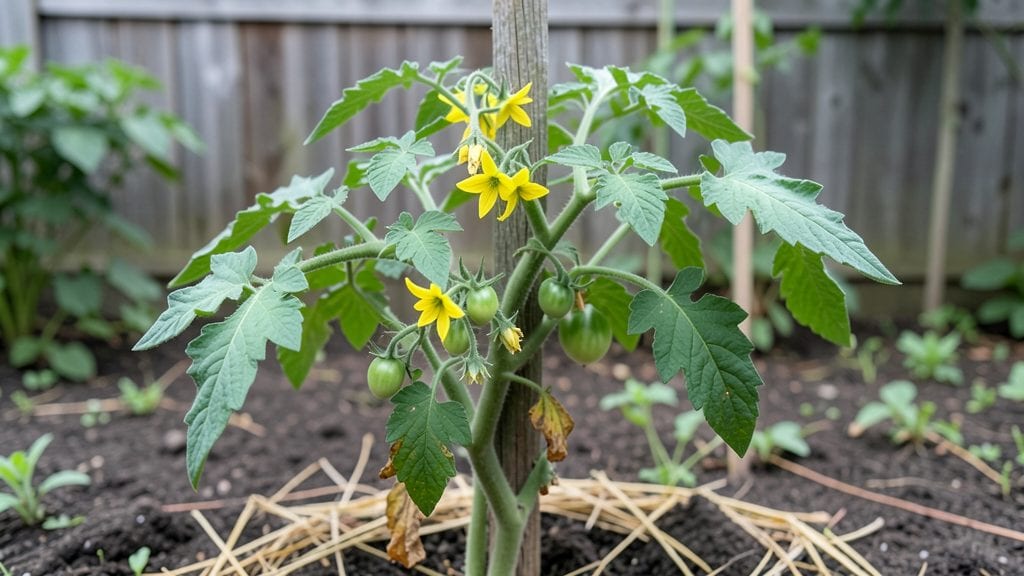
Even the most stubborn tomato plant help can be revived with just three clever tricks—here’s how to coax your wilted vines back to life. 🌱 I’ve nursed back more tomato plants than I can count, and the key is always in the details: too much water, not enough light, or a hidden pest attack.
The good news? Most problems have quick solutions that don’t require expensive tools or harsh chemicals.
Start by checking the basics: soil moisture, sunlight exposure, and leaf condition. Yellowing leaves often mean overwatering or nutrient issues, while brown spots signal disease or sunburn. Aphids and hornworms love tomatoes too—just a quick inspection reveals the culprits.
Grab a spray bottle, some neem oil, and a pair of pruners, and you’re ready to tackle whatever’s holding your plants back.
Within days, you’ll see new growth where there was despair. The leaves plump up, the stems firm up, and those stubborn vines start reaching for the sky again. It’s the kind of turnaround that makes gardening worth every sunburn and blister.
The secret? Acting fast and keeping an eye out for early warning signs before problems spiral.
Works for container gardens, raised beds, or in-ground plots—no matter how your tomatoes are growing, these steps cut through the guesswork. Let’s get those plants back on track before the next harvest slips away.
📚 In This Guide
- What you need
- Instructions
- Tips and common mistakes
- Wrapping up and next steps
What you need
- ● Pruning shears or sharp scissors – Sterilized (rubbing alcohol wipe) to prevent disease spread.
- ● Balanced fertilizer – 10-10-10 or 5-5-5 NPK ratio, 1–2 tbsp per plant.
- ● Organic compost or worm castings – 1–2 cups per plant for nutrient boost.
- ● Mulch (straw, wood chips, or grass clippings) – 2–3 inches thick to retain moisture.
- ● Watering can or hose with a gentle nozzle – Avoid overhead watering to prevent fungal issues.
- ○ Copper fungicide (optional but helpful) – For early blight or septoria leaf spot (follow label instructions).
- ● Epsom salt (magnesium sulfate) – 1 tbsp dissolved in 1 gallon of water for yellowing leaves.
- ● Coffee grounds – 1 cup per plant (trichoderma fungus fighter!).
- ● Plant support (cage, stake, or trellis) – If vines are weak or sprawling.
- ● pH test kit – Ideal soil pH: 6.2–6.8 for tomato absorption.
How to revive struggling tomato plants in minutes
When your tomato vines look wilted or weak, these three easy steps can turn things around fast.
💧 Step 1: Check and Adjust Watering Immediately
First, stick your finger 1-2 inches deep into the soil. If it feels bone-dry, your plants are thirsty—water deeply until moisture reaches 6 inches down. Use a hose with a gentle spray or watering can to avoid disturbing the roots. I always water in the morning so leaves dry quickly and prevent fungal issues.
If the soil feels soggy instead, your plants might be drowning. Let the top 3 inches dry out before watering again. Yellowing lower leaves often signal overwatering, while crispy edges mean underwatering. This is the moment that matters: consistent moisture at the root level is what tomato plants crave.
☀️ Step 2: Provide Shade and Protect from Stress
Move your struggling tomato plants to a spot with morning sun only for 3-5 days. Too much direct afternoon sun when they're weak can scorch leaves and set them back further. A simple shade cloth or even a white sheet draped over a trellis works perfectly. I've seen plants recover completely in just 48 hours with this simple adjustment.
Check for pests like aphids or spider mites—tiny webs on the undersides of leaves mean trouble. Spray with a mix of 1 gallon water + 1 tablespoon mild dish soap if you spot them. Avoid harsh chemicals; tomato plants are sensitive when stressed. This step prevents further damage while giving your plants time to stabilize.
✂️ Step 3: Prune Damaged Leaves and Boost Nutrition
Use clean, sharp scissors to snip off any yellow, brown, or wilted leaves—these drain energy from the plant. Cut back to healthy green growth, but don’t remove more than 20% of the foliage at once. This helps the plant focus its energy on recovery. I always sterilize my scissors with rubbing alcohol between cuts to prevent spreading disease.
Feed your tomatoes with a balanced liquid fertilizer (10-10-10) diluted to half-strength. Water the soil first, then apply fertilizer to avoid burning the roots. You’ll see new growth within 5-7 days if the plant is otherwise healthy. This final step gives your tomatoes the nutrients they need to bounce back stronger than before.
Tips & tricks for reviving wilted tomato plants
These simple tricks will help you nurse your tomato plants back to health without stressing over complicated techniques.
Soil Check Matters: In Step 1, when you're testing soil moisture, focus on the top 6 inches—not just the surface. I've seen gardeners overwater because they only checked the top inch. Use a long screwdriver to probe deeper if you're unsure. The soil should feel like a damp sponge, not mud or dust. This is the foundation of your recovery plan.
Shade Strategy: For Step 2's 3-5 day shade period, I recommend using a lightweight shade cloth rated for 30-50% shade. If you don't have one, a white bedsheet works perfectly—just secure it loosely so air can still circulate. The key is to block the harsh afternoon sun while allowing morning light to energize the plants. You'll notice leaves perk up noticeably within 24-48 hours.
Pruning Precision: When you're removing damaged leaves in Step 3, don't just cut at the base—leave about ¼ inch of stem attached. This prevents disease from entering through open wounds. I also recommend working during the coolest part of the day to reduce stress on the plants. Remember, you're helping them redirect energy to new growth, not punishing them.
Fertilizer Timing: The 5-7 day window for seeing new growth after fertilizing assumes you're using a balanced 10-10-10 fertilizer. If you notice yellowing leaves after applying fertilizer, you've likely overdone it. Next time, dilute it to quarter-strength for sensitive plants. This gradual approach prevents nutrient burn while still providing essential nourishment.
Pro Tips for Tomato Plant Help
- These simple tricks will help you nurse your tomato plants back to health without stressing over complicated techniques.
- Soil Check Matters: In Step 1, when you're testing soil moisture, focus on the top 6 inches—not just the surface.
- Shade Strategy: For Step 2's 3-5 day shade period, I recommend using a lightweight shade cloth rated for 30-50% shade.
Frequently asked questions
Got questions about saving your tomato plants? You’re not alone!
Here are answers to the most common concerns—from quick fixes to long-term care—so you can keep your vines thriving and your harvests plentiful.
Why are my tomato leaves turning yellow?
Yellow leaves usually mean overwatering or nutrient deficiency. Check soil moisture—it should feel damp but not soggy. If roots are waterlogged, trim affected leaves and repot in well-draining soil. For nutrients, add a balanced fertilizer (like 10-10-10) every 2–3 weeks. Pro tip: Yellowing at the bottom? It’s normal aging. Top leaves turning yellow? Likely a pest or disease—inspect for aphids or fungal spots!
Can I still save my tomato plant if it’s wilting?
Act fast! Wilting often signals underwatering or root stress. Move the plant to shade, water deeply (but avoid drowning roots), and trim any mushy or blackened stems. If wilting persists, check for blight (brown spots) or root rot. Prune infected areas and apply neem oil as a preventative. Warning: If the stem is hollow or crumbly, the plant may be beyond saving—start fresh!
What can I use instead of fertilizer for tomato plants?
No fertilizer? No problem! Try these organic alternatives:
- Eggshells: Crush and bury near roots for calcium (prevents blossom-end rot).
- Banana peels: Bury chopped peels for potassium (boosts fruit production).
- Coffee grounds: Mix into soil for nitrogen (1–2 tbsp per plant).
- Compost tea: Brew compost in water for 24–48 hours, then dilute and water plants.
How do I get rid of pests on my tomato plants naturally?
Pests like aphids, hornworms, and spider mites can devastate your plants. Start with these DIY solutions:
- Soapy water spray: Mix 1 tsp mild dish soap in 1 quart water; spray leaves (avoid flowers).
- Neem oil: Spray diluted neem oil (1 tbsp/quart water) to disrupt pest life cycles.
- Handpick: Remove large pests (like hornworms) by hand—drop them in soapy water.
- Beneficial insects: Attract ladybugs or lacewings by planting marigolds nearby.
Can I revive a tomato plant that’s been neglected?
Even severely neglected plants can bounce back with TLC! Start by:
- Trimming all dead or diseased leaves/stems (use clean pruners).
- Repotting in fresh, well-draining soil with compost.
- Watering lightly at first, then gradually increasing as new growth appears.
- Adding a slow-release fertilizer to jumpstart recovery.
Wrapping up and next steps
Reviving a struggling tomato plant doesn’t have to be stressful—with the right care, your vines can bounce back stronger than ever! 🌱 Remember, pruning, proper watering, and nutrient balance are your secret weapons. Start small, stay consistent, and watch your plants thrive.
Ready to take the next step? Check your tomato plant’s health today and apply these tips—your future harvests will thank you! 🍅✨