Picking
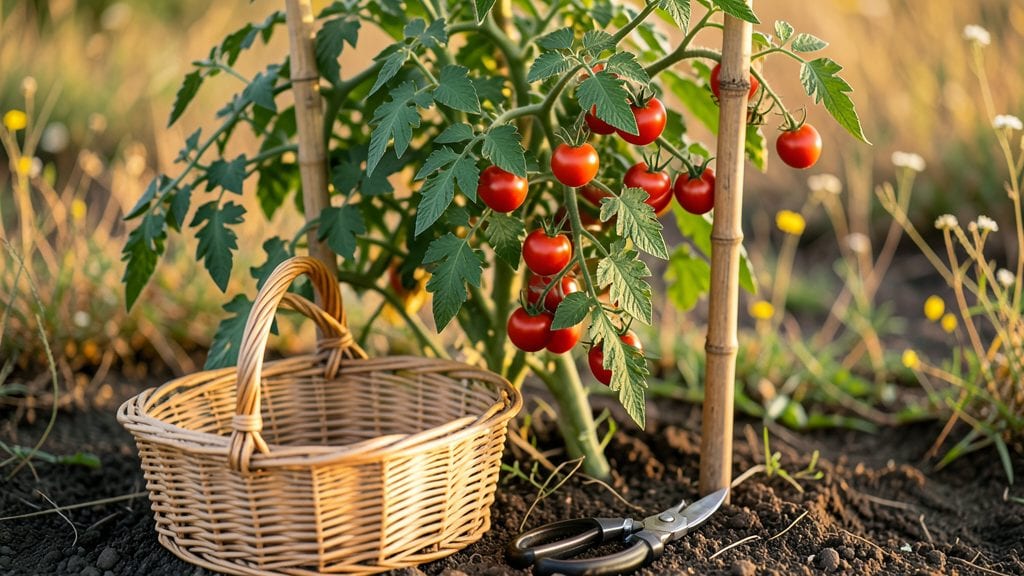
The art of tomato plant harvesting begins when you spot that perfect balance of color, texture, and scent—because that’s when a simple tomato becomes a flavor explosion. and smile.
The key isn’t just picking when they’re red; it’s understanding the subtle cues that signal peak ripeness, from the blush of a sun-warmed shoulder to the way they yield slightly when gently squeezed.
You don’t need fancy tools to start—just clean hands, sharp pruners, and a basket to cradle your harvest. I use a small knife for tricky stems and avoid tugging, which can damage the plant. The goal is to pick only what’s ready while letting the rest mature naturally.
Overharvesting weakens the plant, so I’ve learned to balance urgency with patience, especially when a heatwave rolls in and tomatoes ripen faster than expected.
Once picked, store them at room temperature for a few days to develop full flavor, or refrigerate briefly if you need to hold off. But here’s the secret: the best tomatoes are eaten within hours of harvest, when their sugars are at their peak.
That first bite—juicy, sweet, and bursting with summer—is why we grow them in the first place.
Common mistakes like harvesting too early or mishandling the fruit can turn a great season into a frustrating one. I’ll show you how to spot those errors and keep your tomatoes tasting like they just came off the vine, even weeks later. Let’s get started!
📚 In This Guide
- What you need
- Instructions
- Tips and common mistakes
- Wrapping up and next steps
What you need
- ● Garden shears or pruning snips – Sharp, clean pair (6-inch blades preferred) for clean cuts without damaging the plant.
- ● Harvest basket or bucket – Medium-sized (10–15 gallons) with handles to avoid bruising fruit.
- ○ Gloves (optional but recommended) – Lightweight, breathable fabric or nitrile-coated to protect hands from thorns and dirt.
- ● Small knife or pruners – For stubborn stems or larger tomatoes (sterilize with rubbing alcohol first!).
- ● Water spray bottle – For rinsing off dirt/sand before storing.
- ○ Labeling tags (optional) – If saving seeds or tracking varieties (e.g., heirloom vs. hybrid).
- ● Mature tomato plants – With at least 1–2 fully colored tomatoes per vine (check for firmness and vibrant color).
- ● Dry, sunny weather – Avoid harvesting after rain or in extreme heat to prevent disease or cracking.
- ● Knowledge of your variety – Heirlooms, cherry, beefsteak, etc.—each has unique ripening cues!
- ● Storage space – Cool (55–65°F), dry area for post-harvest prep (e.g., countertop or root cellar).
Step-by-step instructions for harvesting tomatoes at peak flavor
Here’s the foolproof method I’ve used for years to pick tomatoes when they’re juiciest and most flavorful.
Identify the Perfect Ripeness for Your Variety
Different tomato varieties ripen at different stages, so check your plant’s tags or notes. Most slicing tomatoes like Beefsteak or Roma turn a deep, uniform red when ripe. Heirlooms like Brandywine may stay pink or turn deep purple—don’t judge by color alone. Instead, look for a slight softness when gently squeezed and a sweet, fragrant aroma at the stem.
For green tomatoes, wait until they’re fully firm and deep green before picking—overripe green ones turn mealy. Cherry tomatoes should plump up and turn their mature color (red, yellow, or purple) while still holding their shape. The key is balance: ripe enough to eat but firm enough to handle without bruising.
Pick Tomatoes the Right Way to Preserve Quality
Always twist or gently pull the tomato at the stem—never cut it with scissors or shears. Snapping the stem leaves a wound that invites rot and pests. Hold the tomato firmly at the base and give a quick, confident twist. You’ll hear a soft pop—that’s the sound of a clean harvest. If the tomato resists, it’s not ready yet.
Harvest in the early morning when temperatures are coolest. Tomatoes picked in the heat of the day wilt faster and lose flavor quickly. Use a small basket or cloth bag to avoid bruising—plastic containers can crush delicate fruit. Work gently, especially with large varieties like Big Beef, which bruise easily.
Handle and Store Tomatoes to Extend Freshness
Let freshly picked tomatoes sit at room temperature for 1-2 days to develop full flavor. Storing them in the fridge too soon dulls their taste and texture. Place them stem-side down on a counter or in a single layer—stacking can cause bruising. Avoid direct sunlight, which speeds up spoilage.
Once ripe, store tomatoes in the fridge only if you can’t eat them within 3-5 days. Place them in a paper bag (not plastic) in the crisper drawer to slow moisture loss. For long-term storage, consider fermenting, canning, or freezing—these methods preserve flavor far better than refrigeration.
Know When to Let Tomatoes Ripen on the Vine
Some varieties, like Black Krim or Cherokee Purple, ripen best on the vine. If your garden has 10-14 days left in the growing season, leave them attached unless frost threatens. Tomatoes continue to develop sugar and flavor while on the plant. Check daily for signs of frost—if temperatures dip below 50°F at night, harvest immediately, even if unripe.
For unripe tomatoes left on the plant, pick them when they’re fully colored but still firm. Store them in a cool, dark place (like a garage or basement) with 60-70°F temperatures and high humidity. They’ll ripen in 1-3 weeks. If frost hits, harvest everything—even green tomatoes—since they’ll ripen indoors or can be used in recipes.
Deal With Overripe or Damaged Tomatoes
Overripe tomatoes soften quickly and develop a mushy texture. Use them immediately in sauces, salsas, or soups before they spoil. If a tomato shows signs of blossom-end rot (a white, leathery spot), cut off the bad portion and use the rest. Discard any tomatoes with mold, slimy texture, or a foul odor—these can spread disease to healthy fruit.
For damaged but otherwise good tomatoes, slice and freeze them for later use. Spread slices on a tray, freeze solid, then transfer to a bag. Frozen tomatoes work perfectly in cooked dishes where texture doesn’t matter. Never wash tomatoes before storing—excess moisture speeds up spoilage. Wipe off dirt with a dry cloth instead.
Tips & tricks for perfect tomato plant harvesting
Harvesting tomatoes at their peak takes a little know-how, but these tips will help you get the most flavorful, fresh tomatoes from your garden.
Timing is Everything: The early morning is the absolute best time to harvest because the tomatoes are cool and hydrated. If you must pick later in the day, work quickly and avoid direct sunlight, which can cause the tomatoes to wilt faster. I’ve found that harvesting between 6 and 8 AM gives me the freshest tomatoes with the best flavor—trust me, it makes a difference!
Variety Matters: Not all tomatoes ripen the same way. For example, heirloom varieties like Brandywine might stay pink or even turn deep purple, while slicing tomatoes like Beefsteak turn a deep, uniform red. Pay attention to the specific cues for your variety—look for that slight softness when gently squeezed and a sweet, fragrant aroma at the stem. This is how you know they’re truly ripe and ready to be picked.
Handle with Care: When you’re harvesting, always twist or gently pull the tomato at the stem—never cut with scissors or shears. Cutting the stem can leave a wound that invites rot and pests. Use a small basket or cloth bag to collect your tomatoes, as plastic containers can crush delicate fruit. This gentle approach preserves the quality and keeps your tomatoes in top condition for longer.
Storage Wisdom: Once you’ve harvested your tomatoes, let them sit at room temperature for 1-2 days to develop full flavor. I’ve learned the hard way that storing them in the fridge too soon dulls their taste and texture. If you need to store them longer than 3-5 days, place them in a paper bag in the crisper drawer. This slows moisture loss and keeps them fresher for a bit longer.
Pro Tips for Tomato Plant Harvesting
- Harvesting tomatoes at their peak takes a little know-how, but these tips will help you get the most flavorful, fresh tomatoes from your garden.
- Timing is Everything: The early morning is the absolute best time to harvest because the tomatoes are cool and hydrated.
- Variety Matters: Not all tomatoes ripen the same way.
Frequently asked questions
Got questions about harvesting your tomato plants? You’re not alone! Here are answers to the most common queries to help you pick like a pro.
When is the best time of day to harvest tomatoes?
The ideal time to harvest is in the morning after the dew has dried but before the sun gets too intense (around 8–10 AM). This ensures tomatoes are firm, flavorful, and less prone to bruising. Avoid harvesting in extreme heat or after heavy rain, as this can stress the plant or dilute flavor.
How do I know if a tomato is truly ripe?
Ripeness depends on the variety! For heirlooms and determinate types, look for a deep, even color (red, yellow, purple, etc.), a slight softness when gently squeezed, and a fragrant aroma near the stem. Greenhouse or cherry tomatoes may ripen fully on the vine—watch for cracking or splitting as a sign they’re overripe. Pro tip: Never pick tomatoes just because they’re red—some varieties (like Brandywine) need full vine ripening for peak sweetness!
What happens if I harvest tomatoes too early?
Picking tomatoes too early (unripe) can stunt the plant’s growth and reduce future yields. Unripe tomatoes also lack flavor, texture, and nutrients. If you must harvest early (e.g., for indoor ripening), choose firm, pink-stage fruits and place them in a paper bag with a banana or apple to speed up ripening with ethylene gas. Warning: Never refrigerate unripe tomatoes—they’ll never develop full flavor!
Should I twist or cut tomatoes off the vine?
Always twist gently (don’t pull!) to avoid damaging the stem. For stubborn or large tomatoes, use clean pruners or scissors to snip the stem just above the fruit. Leave a tiny bit of stem attached—this helps the tomato ripen evenly and prevents rot. Never use dirty tools, as bacteria can infect the plant!
Can I still harvest tomatoes if my plant has pests or disease?
Yes, but act fast! Harvest all ripe tomatoes immediately to prevent pests/disease from spreading. For affected plants, remove only the ripe fruit—don’t shake the vine, as this can spread spores. Destroy heavily infested leaves ( do not compost them!) and treat the plant with neem oil or insecticidal soap. If blight (like early or late blight) is suspected, harvest within 24 hours of symptoms appearing.
What’s the best way to store harvested tomatoes?
Store ripe tomatoes at room temperature (55–75°F) in a single layer, never in the fridge—this destroys their texture and flavor. For long-term storage, place them in a paper bag (not plastic) with a few apples or bananas to ripen others naturally. Unripe tomatoes can be stored in a cool, dark place (like a pantry) for up to a week.
Wrapping up and next steps
Harvesting your tomato plants at the right time ensures bursting flavor, juicy texture, and maximum yield—whether you’re growing heirlooms or slicers! Remember, color, firmness, and gentle handling are your best friends, while avoiding overripe or damaged fruits keeps your plants productive.
With these tips, you’re well on your way to a homegrown harvest that rivals store-bought—and tastes even better.
Now that you’re a tomato-harvesting pro, why not share your bounty? Try canning, freezing, or gifting extras to neighbors, or experiment with new recipes like homemade sauces or salsas. Happy harvesting—and may your vine keep producing all season! 🍅✨