
Pests
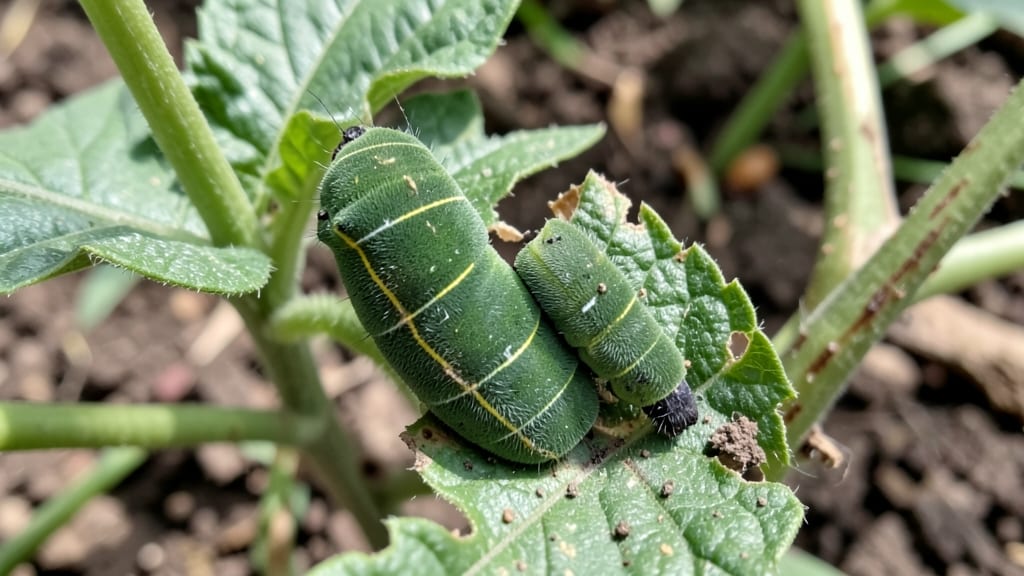
Tomato plant caterpillars can strip your harvest in days—those ravenous hornworms and loopers turn lush vines into skeleton leaves faster than you can say "sauce ruined." 🌱 I’ve watched my prized heirlooms go from thriving to tragic in just a week, and I’m here to tell you there’s a better way than reaching for chemical sprays.
The secret lies in three straightforward, organic methods that actually work without harming your plants or the pollinators you want buzzing around.
First, learn to spot the culprits: hornworms are green with white stripes and can grow over 3 inches long, while loopers have a distinctive curved body. Handpicking them at dawn (when they’re sluggish) is the fastest fix—drop them in soapy water, not the soil.
Then, boost your plants’ defenses with neem oil or bt spray, both of which target caterpillars without touching bees or butterflies. The key is timing: apply these sprays in the evening when pollinators are inactive.
You’ll see results within 24-48 hours—fewer holes in leaves, more flowers setting fruit, and a garden that stays productive instead of turning into a caterpillar buffet. The best part? These methods work for all tomato varieties, from cherry to beefsteak, and they keep working season after season.
The only real effort is staying vigilant and acting fast when you spot the first signs of damage.
For long-term protection, add row covers early in the season or plant basil and marigolds alongside your tomatoes—they confuse caterpillars and deter egg-laying moths. It’s not just about saving this year’s crop; it’s about building a garden that naturally resists pests without needing harsh chemicals.
Let’s get your tomatoes back on track.
Why it happens
Tomato plants are like a five-star buffet for hungry caterpillars—especially for species like the hornworm and tomato fruitworm. But why do these pests zero in on your hard-earned harvest? The answer lies in a mix of biology, plant chemistry, and even your garden’s ecosystem.
Let’s break down the key reasons these caterpillars turn your tomatoes into their personal salad bar.
🌱 Tomatoes Are Nutrient-Rich Targets
Tomato plants are packed with nutrients that caterpillars crave. Their leaves and fruits contain high levels of:
- Soluble sugars: Caterpillars rely on these for quick energy, making ripe tomatoes irresistible.
- Proteins and amino acids: Essential for growth, especially for fast-developing larvae.
- Water content: Tomatoes retain moisture, making them an easy, hydrating snack.
Scientifically, caterpillars use olfactory receptors (sense of smell) to detect volatile organic compounds (VOCs) released by tomato plants. These chemical signals act like a dinner bell, alerting caterpillars from miles away that a feast is nearby.
🌿 Plant Stress Signals Attract Pests
When tomato plants are stressed—whether from drought, overwatering, nutrient deficiencies, or disease—they emit stress-related VOCs. These chemical distress signals don’t just warn other plants; they also attract pests like caterpillars, who see them as a sign of weakened defenses.
For example:
- Drought stress: Causes plants to release jasmonic acid, a compound that lures herbivores.
- Nitrogen deficiency: Leads to softer leaves, making them easier for caterpillars to chew.
- Fungal infections: Some caterpillars, like the tomato hornworm, prefer plants already compromised by pathogens.
Actionable tip: Keep your tomatoes healthy with consistent watering (1–1.5 inches per week) and balanced fertilization to reduce these stress signals.
🐛 Natural Predator-Prey Dynamics
Caterpillars aren’t just random visitors—they’re part of a food chain. In many ecosystems, tomato plants host both pests and their natural predators (like parasitic wasps or birds). However, when human activity disrupts this balance—such as:
- Using broad-spectrum pesticides that kill beneficial insects alongside pests.
- Planting monocultures (large patches of only tomatoes), which remove habitat diversity for predators.
- Over-pruning or tilling, which destroys egg-laying sites for beneficial species.
Caterpillar populations can explode because their predators vanish first. This is why organic gardeners often see worse infestations in their first few years—the ecosystem is still rebalancing!
🌍 Seasonal and Climatic Triggers
Caterpillars are opportunistic, and their life cycles sync with tomato growth patterns. Key triggers include:
| Factor | Why It Matters |
|---|---|
| Warm nights (above 70°F) | Accelerates egg hatching and larval growth. Many tomato pests, like the fruitworm, time their life cycles to coincide with ripening fruit. |
| High humidity | Keeps eggs moist and prevents desiccation, increasing survival rates. |
| Early planting | Longer growing seasons give caterpillars more time to reproduce. Late-season tomatoes often escape heavy damage. |
Pro tip: If you’re in a hot climate, consider succession planting—stagger your tomato harvests so caterpillars can’t overwhelm all plants at once.
🍅 Human Habits That Invite Pests
Sometimes, the problem isn’t nature—it’s us. Common gardening mistakes that unwittingly attract caterpillars:
- Over-fertilizing with nitrogen: Leads to lush, tender foliage that’s a caterpillar’s dream.
- Ignoring garden debris: Old plant stems or fallen leaves harbor overwintering eggs.
- Planting near night-blooming flowers: Moths (like the tomato hornworm moth) are drawn to lights and fragrant flowers, then lay eggs on nearby tomatoes.
- Skipping crop rotation: Soil-borne pests and diseases build up, weakening plants over time.
Even well-meaning practices, like mulching with grass clippings, can attract pests if the clippings are still fresh and contain hidden eggs.
Natural Ways to Protect Your Tomatoes
Caterpillars can turn your thriving tomato plants into a buffet of destruction—chewing through leaves, stems, and even fruit! But before reaching for harsh chemicals, try these effective, organic solutions tailored to the most common causes of caterpillar infestations.
Each method is simple, budget-friendly, and safe for your garden (and your family).
If you’re spotting large green hornworms or banded cutworms munching on your plants, act fast—these guys multiply quickly!
🔥 How to Remove Them:
- Morning patrol: Check plants early (caterpillars are sluggish in cool temps). Drop them into soapy water or crush them (gross but effective!).
- DIY trap: Place a shallow dish of beer or yeast water near plants—cutworms are drawn to it and drown. Refresh every 2–3 days.
💡 Prevention Tips:
- Plant companions: Interplant basil, marigolds, or dill—their strong scents repel caterpillars.
- Row covers: Use floating fabric row covers (like Agribon) over young plants to block egg-laying moths.
- Neem oil spray: Apply neem oil mixed with water and a drop of dish soap (spray at dusk to avoid harming bees). Reapply after rain.
Tiny green loopers or armyworms (often in groups) can skeletonize leaves overnight. These pests thrive in dense foliage, so disrupt their habitat with these tricks:
🍳 Introduce Predators:
- Ladybugs, lacewings, and parasitic wasps (like Cotesia glomeratus) love to eat caterpillar eggs and larvae. Buy them online or attract them with native flowers (e.g., alyssum, cosmos).
- Praying mantises are natural hunters—place them gently on plants at dusk.
👨🍳 Physical Barriers:
- Collar young plants with cardboard or aluminum foil (bury 1–2 inches deep) to block cutworms crawling up stems.
- Shake plants over a bucket of soapy water to dislodge loopers (they’re slow climbers).
🎯 Pro Tip: If you see white egg clusters on the underside of leaves, scrape them off with your fingernail—no eggs = no caterpillars!
When caterpillars strike en masse, combine repellent sprays with sanitation for long-term control.
🔪 Spray Recipes (Safe & Strong):
| Solution | How to Make It | How to Use |
|---|---|---|
| Garlic-Chili Spray | Blend 5 garlic cloves + 1 tbsp cayenne + 1L water. Strain. | Spray on leaves (avoid fruit if eating raw). Reapply weekly. |
| Bt (Bacillus thuringiensis) | Mix 1 tsp Bt powder (organic bacteria) with water. | Spray directly on caterpillars (harmless to humans/plants). Works in 48 hours. |
| Soap Spray | 1 tbsp castile soap + 1L water. | Spray undersides of leaves where eggs hide. |
⏰ Timing Matters:
- Spray in the evening to protect bees (they’re less active then).
- Water plants deeply before spraying—this helps solutions stick to leaves.
🌡️ Prevention Checklist:
- Remove debris: Clear fallen leaves and weeds where caterpillars hide.
- Rotate crops: Avoid planting tomatoes in the same spot yearly (moths remember!).
- Prune strategically: Thin dense foliage to reduce hiding spots and improve airflow.
✨ Bonus: If all else fails, companion planting with nasturtiums can lure caterpillars away from your tomatoes—it’s like a decoy garden! 🌼
Frequently asked questions
What are the most common caterpillars attacking tomato plants?
The two most destructive species are tomato hornworms (large green with white stripes) and tomato fruitworms (smaller, green with white stripes or spots). You may also spot loopers (curved bodies) or cutworms (banded, nocturnal chewers). Check undersides of leaves at dawn for early signs.
How do I know if caterpillars are damaging my tomatoes?
Look for chewed leaves with jagged edges, missing sections of fruit, or black droppings on foliage. Young caterpillars create tiny holes, while large hornworms can strip entire leaves overnight. Inspect plants daily during warm weather when infestations peak.
Is handpicking caterpillars really effective?
It's the fastest organic solution. Check plants early in the morning when caterpillars are sluggish. Drop them into soapy water (never release them near your garden). For hornworms, you'll need to check daily—they grow 1 inch per day and can destroy plants quickly.
Can I use neem oil on tomato plants with caterpillars?
Yes, but apply it correctly. Mix 1 teaspoon neem oil with 1 quart water and a drop of dish soap as a surfactant. Spray evening to protect bees, and reapply after rain. It disrupts caterpillar feeding but works best when combined with handpicking for severe infestations.
Will companion planting actually keep caterpillars away?
It helps significantly! Plant basil, marigolds, or nasturtiums near tomatoes—their strong scents mask tomato plants and repel egg-laying moths. Basil also improves tomato flavor while deterring pests. For best results, interplant these companions throughout your tomato patch, not just at the edges.