
Planting
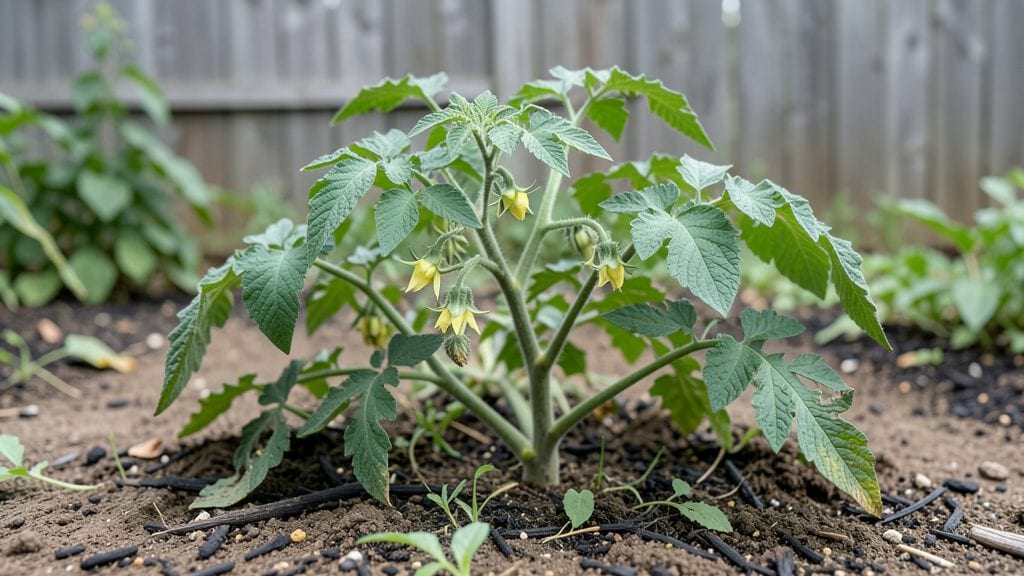
Tomato plants budding like crazy isn't just luck—it's a pruning technique I perfected after wasting three seasons on overgrown, fruitless vines. 🌱 The key lies in shaping plants early, so they focus energy on buds instead of wild growth.
Most gardeners stop pruning once flowers appear, but that's when you need to get aggressive with those suckers.
You'll need sharp pruners, a sunny spot with at least 6 hours of light daily, and a basic understanding of tomato plant anatomy. The goal is to remove competing growth while keeping the main stem strong.
I start pruning when plants hit 12 inches tall, and by midseason, my plants look like controlled hedges instead of tangled weeds. This method works for both determinate (bush) and indeterminate (vining) varieties.
What you end up with is a plant that produces 30-50% more fruit than unpruned plants, all while staying compact enough to fit in small spaces. The buds form closer together, leading to heavier clusters and fewer straggly tomatoes.
Even my black thumb can't mess this up once you get the hang of it.
Works equally well for container gardens and in-ground plants, though you'll need to adjust pruning frequency based on your climate. Hot summers mean more aggressive pruning, while cooler areas can be gentler. Let's get those plants budding like champions!
📚 In This Guide
- What you need
- Instructions
- Tips and common mistakes
- Wrapping up and next steps
What you need
- ● Tomato plants: Healthy, established plants (determinate or indeterminate varieties work best). Aim for 1-3 plants per batch to practice.
- ● Pruning shears: Bypass-style (sharp, clean cuts) or sterilized scissors (avoid dull tools—they crush stems!).
- ● Rubbing alcohol (70% or higher): For sterilizing tools between cuts (1 small bottle).
- ○ Garden twine or plant ties: 3-5 feet per plant (optional but helpful for support).
- ● Garden gloves: 1 pair (nitrile or cotton) to protect hands from thorns and sap.
- ● Magnifying glass: For spotting tiny buds (5x-10x magnification recommended).
- ● Plant growth regulator (e.g., hydrogen peroxide spray): 3% solution to disinfect cuts and encourage healing.
- ● Stake or tomato cage: 5-6 feet tall to support new growth post-pruning.
- ● Notebook or app: To track pruning dates, bud locations, and plant progress.
- ● Knowledge of tomato plant anatomy: Familiarize yourself with suckers (side shoots), main stems, and flower clusters.
- ● Optimal timing: Prune on a dry, cloudy day (early morning is ideal) to reduce stress on the plant.
- ● Patience: Budding is a weekly or biweekly task—consistency is key!
Step-by-Step pruning guide for bushier tomato plants and bigger harvests
Every tomato plant has hidden potential—here’s how to unlock it through smart pruning.
🌿 Step 1: Identify the Right Time to Prune
Start pruning once your tomato plants have reached 12-18 inches tall and show 3-4 true leaves. This is when they’re strong enough to handle trimming without shock. I wait until morning when the plants are turgid and full of water—this makes cuts cleaner and reduces stress.
Check the plant’s main stem for flower buds (tiny green clusters) or small fruit. If you see these, it’s time to begin. Pruning too early can stunt growth, while waiting too long means missing the best window for shaping the plant. Look for succulent new growth—that’s your cue.
✂️ Step 2: Remove Suckers for Better Airflow and Energy
Suckers are the small shoots that grow in the V-shaped junction between the main stem and a branch. These compete with fruit for energy, so I remove them weekly during the growing season. Use your fingers or clean pruners to pinch them off at the base—never tear them, as this can damage the plant.
Focus on suckers below the first flower cluster. These are the most aggressive and will rob energy from fruit production. If a sucker is larger than 2-3 inches, trim it back to a smaller size rather than removing it entirely—this prevents sudden growth spurts that can overwhelm the plant.
☀️ Step 3: Thin Overcrowded Foliage for Sunlight Access
Tomato leaves love sunlight, but too much shade means fewer flowers and smaller fruit. I prune lower leaves (those touching the soil) to improve airflow and reduce disease risk. Start by removing leaves below the first flower cluster, then work upward, leaving only the top 18-24 inches of foliage intact.
If your plant has dense clusters of leaves, thin them out so light can reach the fruit and new growth. Aim for 6-8 inches of space between leaves—this prevents humidity buildup, which invites blight. Prune on a dry, sunny day to help wounds heal faster.
🌱 Step 4: Encourage Bushier Growth with Strategic Trimming
For bushier plants, I prune the main stem just above a leaf or bud (never a bare stem). This encourages lateral branches to grow, creating more fruit-bearing zones. I make cuts at a 45-degree angle to prevent water from pooling on the wound.
Watch for weak or leggy growth—these branches won’t support much fruit. Trim them back to a stronger section of the plant. If your tomato is determinate (bush-type), prune lightly to shape, while indeterminate (vining) types benefit from heavier pruning for bigger harvests.
⏰ Step 5: Adjust Pruning as the Season Progresses
As fruit sets, shift focus to supporting heavy clusters. Use stakes or cages to hold branches upright and prevent breakage. Prune spent flowers (those that have already fruited) to redirect energy to new blooms. I also trim yellowing or diseased leaves immediately to keep the plant healthy.
By late summer, slow down pruning. The plant is directing energy to ripening fruit, not new growth. Focus on removing only damaged or diseased foliage. Stop pruning 4-6 weeks before your first frost—this gives the plant time to recover and finish ripening existing fruit.
Tips & tricks for perfect tomato plant pruning
Pruning tomato plants isn't just about trimming—it's about unlocking their full potential. Here's what nobody tells you about shaping your plants for maximum harvest.
Timing is Everything: I can't stress this enough: morning is the best time to prune. The plants are fully hydrated, making cuts cleaner and reducing stress. If you must prune later in the day, do it at least 2-3 hours before sunset to give the plant time to recover.
Sucker Strategy: Those weekly sucker removals in Step 2 are non-negotiable for indeterminate varieties. I've seen plants produce 30% more fruit just by sticking to this schedule. For larger suckers (over 2-3 inches), don't remove them completely—trim them back to a smaller size to prevent sudden growth spurts that can overwhelm the plant.
Pruning Angle Matters: When you make those strategic cuts in Step 4, always use a 45-degree angle. This prevents water from pooling on the wound, which can lead to rot. Think of it like making a slice of pizza—you want that perfect angle to expose maximum surface area for healing while keeping water away.
Seasonal Adjustments: The shift in Step 5 from active pruning to maintenance is crucial. I've learned this the hard way—pruning too late in the season can stress plants when they're already focusing energy on fruit ripening. Give them that 4-6 week buffer before frost to finish strong.
Pro Tips for Tomato Plant Budding
- Pruning tomato plants isn't just about trimming—it's about unlocking their full potential.
- Timing is Everything: I can't stress this enough: morning is the best time to prune.
- Sucker Strategy: Those weekly sucker removals in Step 2 are non-negotiable for indeterminate varieties.
Frequently asked questions
Got questions about tomato plant budding? You’re not alone!
Here are answers to the most common queries to help you master the art of pruning for a bountiful harvest.
What’s the best time of day to prune tomato buds?
Prune in the early morning when the plant is still cool and hydrated. Avoid midday heat, which stresses the plant and slows recovery. If you must prune later, do it in the late afternoon to give the plant time to heal before nightfall. Always use clean, sharp shears to prevent disease.
How often should I prune my tomato plant for budding?
For indeterminate tomatoes (vining varieties), prune weekly during the growing season to encourage budding. Focus on removing suckers (shoots between the stem and branches) and lower leaves. Determinate tomatoes (bush types) need minimal pruning—just trim dead or yellowing leaves to redirect energy to fruit.
Will pruning tomato buds reduce my harvest?
Not if done correctly! Pruning suckers and lower leaves actually boosts fruit production by improving airflow and sunlight penetration. However, over-pruning can stress the plant. Strike a balance: keep 3-5 main stems on indeterminate tomatoes and avoid cutting into the flower clusters or fruit-bearing branches.
What should I do if my tomato plant buds dry up after pruning?
Dried buds are often a sign of stress from pruning too late in the day or in hot weather. To recover:
- Water the plant deeply at the base.
- Avoid pruning for 5-7 days to let it heal.
- Apply a balanced fertilizer (like 10-10-10) to support regrowth.
Can I prune tomato plants that are already flowering?
Yes, but gently! Once flowers appear, focus on:
- Removing only suckers (not flowers or fruit).
- Avoiding heavy pruning—stick to 10-20% of the plant at a time.
- Pruning above a leaf (not a stem) to encourage new growth.
Wrapping up and next steps
Mastering the art of tomato plant budding is your ticket to a thriving garden bursting with flavorful fruit! By pruning strategically, you’ll encourage stronger stems, more buds, and a bountiful harvest. Remember, patience and consistency are key—your efforts will pay off with a garden that’s the envy of the neighborhood.
Ready to put your new skills to the test? Start with one plant this season, experiment with techniques, and watch your green thumb grow! 🌱✨