Pruning
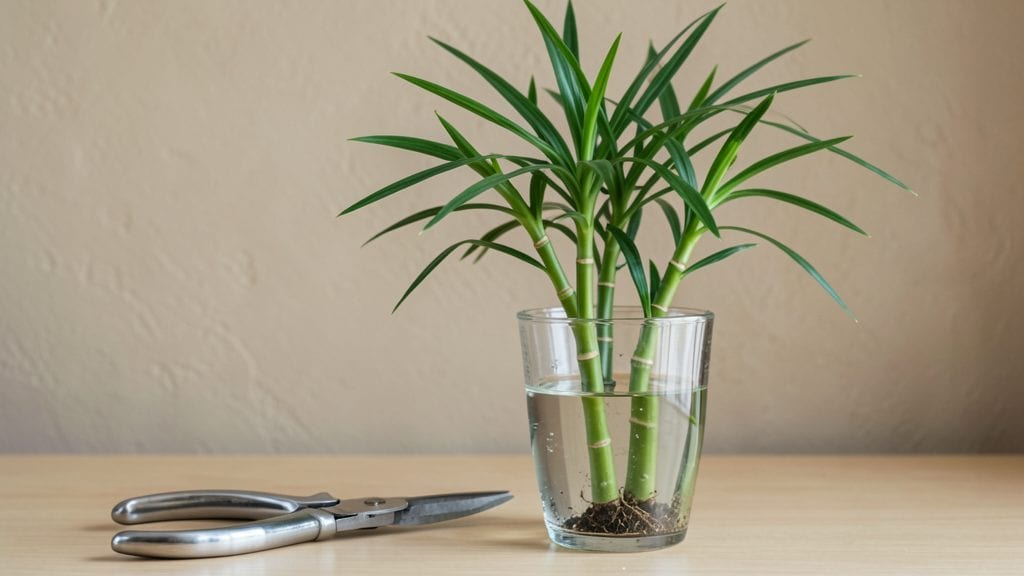
Pruning bamboo plants keeps them healthy and prevents them from taking over your yard—something I learned the hard way after my running bamboo escaped the garden and threatened my neighbor’s patio. 🌱 The key is timing, technique, and knowing whether you’re dealing with clumping or running types, because one wrong cut can mean years of cleanup.
You’ll need sharp pruners, gloves, and a clear day to work—no rushing. For running bamboo, the real secret is underground rhizome barriers, which stop the spread before it starts.
Clumping types are easier: just trim back dead or overgrown canes in early spring. I’ve seen bamboo go from ragged to lush in just two seasons with the right approach.
The payoff is bamboo that stays vibrant green, grows upright instead of sprawling, and produces fresh new shoots year-round. Even aggressive runners can be tamed into a tidy hedge with consistent pruning.
The trick is cutting at the right nodes—where the leaves meet the stem—and avoiding the temptation to hack at it like a weed.
Works for both landscape borders and container-grown varieties, though container bamboo needs more frequent pruning to stay compact. Once you master the technique, you’ll never fear bamboo again—it’ll be your garden’s most foolproof plant. Here’s how to get started without turning your yard into a jungle.
📚 In This Guide
- What you need
- Instructions
- Tips and common mistakes
- Wrapping up and next steps
What you need
- ● Sharp pruning shears or loppers – Choose bypass pruners (for clean cuts) or loppers (for thicker stems, 1–3 inches in diameter). Quantity: 1 pair.
- ● Disinfectant (70% isopropyl alcohol or bleach solution) – Sterilize tools to prevent disease spread. Quantity: Small bottle or spray.
- ● Gloves (heavy-duty or gardening gloves) – Protects hands from sharp edges and sap. Material: Nitrile or leather.
- ○ Pruning saw (optional for thick stalks) – For bamboo over 3 inches in diameter. Quantity: 1 (if needed).
- ● Compost bin or mulch – For disposing of clippings (bamboo decomposes quickly!).
- ● Measuring tape or ruler – Helps gauge pruning height (e.g., 1/3 from the base for clumping bamboo).
- ● Hand pruners with a ratchet mechanism – Reduces hand strain for long sessions.
- ● Plant sealant (pruning wax) – Seals cuts to prevent sap oozing (great for running bamboo).
- ● Knee pads or stool – For comfort if pruning large or ground-level bamboo.
- ● Label tags or marker – Mark new growth areas if propagating cuttings.
Step-by-step instructions for pruning bamboo plants
Here's how I maintain my bamboo's health and vigor—no guesswork, just proven techniques.
🌿 Step 1: Assess Growth and Identify Problem Areas
Start by examining your bamboo plant closely. Look for overcrowded stems, dead or yellowing canes, and areas where new growth is weak or sparse. Healthy bamboo should have straight, upright canes with vibrant green leaves. I always prune in late winter or early spring, just before new growth begins—this gives the plant time to recover before summer heat.
Run your fingers along the canes to feel for hollow or brittle stems, which indicate dead growth that needs removal. Mark these areas with a small piece of twine or a plant tag so you don’t miss them during pruning. This step is critical—removing dead canes prevents disease from spreading to healthy parts of the plant.
✂️ Step 2: Remove Dead, Diseased, or Weak Canes
Use sharp, clean pruning shears to cut dead or diseased canes at the base. Make the cut at a 45-degree angle just above a node (the bump where leaves or branches emerge) to prevent water from pooling and causing rot. If a cane is hollow or crumbly, it’s definitely dead—no need to hesitate, just remove it entirely. I always sterilize my shears with rubbing alcohol between cuts to avoid spreading any potential pathogens.
For weak canes that haven’t died but are struggling, you can either prune them back to a healthier section or remove them entirely if they’re not recovering. Weak growth often happens in shaded areas, so this is your chance to open up the plant’s center for better airflow and sunlight penetration. Don’t worry about leaving a few gaps—bamboo fills in quickly with new growth.
🌱 Step 3: Thin Overcrowded Canes for Better Airflow
Bamboo thrives when it has space to breathe. If the center of your plant looks dense and tangled, it’s time to thin out some canes. Aim to leave 3-5 healthy canes per clump, depending on the bamboo’s mature size. I like to keep the strongest, most upright canes and remove the thinner, weaker ones growing in the middle. This prevents competition for nutrients and reduces the risk of fungal issues.
To thin, grasp the cane near the base and gently wiggle it side to side to loosen the roots before pulling it out. If the roots resist, use your pruners to cut it at the base. Step back and admire your work—you should now see light filtering through the center of the plant. This isn’t just about looks; better airflow keeps leaves dry and reduces the chance of mildew.
⏰ Step 4: Prune Back Overgrown or Unruly Branches
If your bamboo has long, leggy branches or growth that’s sprawling in unwanted directions, it’s time to shape it up. Focus on trimming branches that are longer than 12 inches or growing toward walkways, structures, or other plants. Use your pruners to cut just above a leaf node or bud, which encourages new growth in the right direction.
For a more manicured look, you can also trim back the tips of canes to encourage bushier growth. I like to cut branches at a 1/3 to 1/2 length reduction to maintain the plant’s natural shape while stimulating fuller foliage. Avoid cutting back more than 30% of the plant’s total growth in one session—this can stress the bamboo and slow down recovery.
💧 Step 5: Clean Up and Monitor for New Growth
After pruning, gather all the clippings and dispose of them properly. If your bamboo is running (spreading via underground rhizomes), you can replant healthy cuttings in a new location. Otherwise, add the trimmings to your compost pile. Sweep up any fallen leaves or debris around the base of the plant to keep the area tidy and reduce pests.
Water your bamboo deeply after pruning to help it recover. Keep an eye on the plant over the next 4-6 weeks for new growth. You’ll know it’s healing well when you see bright green shoots emerging from the base or along the remaining canes. If you notice any yellowing leaves or wilting, it might be a sign of over-pruning or stress—just give it time and consistent watering.
Tips & tricks for perfect bamboo pruning
These practical insights will help you maintain your bamboo's health and keep it thriving year-round.
Timing is Everything: Late winter or early spring is the ideal time to prune, just before new growth begins. This timing gives your bamboo the full growing season to recover and establish new shoots. I've found that pruning during this period prevents stress during the hottest months, allowing the plant to focus on root development before summer heat sets in.
Tool Preparation Matters: Always sterilize your pruning shears with rubbing alcohol between cuts to prevent spreading pathogens. I keep a small bottle of rubbing alcohol and a clean cloth in my gardening toolkit for quick sterilization. Sharp tools also make the job easier—dull shears can crush stems and cause unnecessary damage, so take a few minutes to sharpen your blades before starting.
Visual and Tactile Assessment: When assessing canes in Step 1, run your fingers along the stems to feel for hollow or brittle sections. Healthy canes should feel firm and solid. I've learned that visual cues alone can be misleading—sometimes a cane may look green but is actually hollow inside. This tactile check is crucial for identifying truly dead growth that needs removal.
Monitoring Recovery: After pruning, keep an eye on your bamboo over the next 4-6 weeks for signs of new growth. Bright green shoots emerging from the base indicate healthy recovery. If you notice yellowing leaves or wilting, it might signal over-pruning or stress. I've found that consistent watering during this recovery period makes all the difference in helping the plant bounce back.
Pro Tips for Pruning Bamboo Plant
- These practical insights will help you maintain your bamboo's health and keep it thriving year-round.
- Timing is Everything: Late winter or early spring is the ideal time to prune, just before new growth begins.
- Tool Preparation Matters: Always sterilize your pruning shears with rubbing alcohol between cuts to prevent spreading pathogens.
Frequently asked questions
Got questions about pruning bamboo? You’re not alone!
Here are answers to the most common concerns—from timing to tools—to keep your bamboo thriving without the guesswork.
When is the best time to prune bamboo?
The ideal time is late winter or early spring (just before new growth starts). For running bamboo, prune aggressively in February or March to control spread. Clumping bamboo benefits from light pruning after flowering (if applicable) or during dormancy. Avoid heavy cuts in summer—it stresses the plant!
What if I prune at the wrong time?
Pruning during active growth (spring/summer) can shock the plant, leading to weak stems or pest vulnerabilities. If you must prune outside the ideal window, do it gradually and avoid cutting more than ⅓ of the foliage at once. Running bamboo is hardier and recovers faster than clumping types.
How do I prune bamboo without killing it?
Follow the 3 R’s:
- Remove dead, diseased, or crossing canes first.
- Reshape by cutting just above a bud or joint (never at a sharp angle).
- Revitalize with fresh mulch and water post-pruning.
Can I prune bamboo in winter?
Yes, but only if it’s dormant (no green leaves). Winter pruning (Dec–Feb) works for running bamboo to curb spread, but avoid heavy cuts—wait for spring for clumping types. If your region has harsh winters, prune lightly to prevent frost damage to fresh cuts.
What’s the difference between pruning running vs. clumping bamboo?
| Running Bamboo | Clumping Bamboo |
|---|---|
| Prune aggressively in late winter to control rhizome spread. Cut canes at ground level. | Prune selectively—remove only dead or crowded stems. Never cut rhizomes! |
| Best for containment barriers or large landscapes. | Ideal for ornamental gardens or small spaces. |
| High invasive risk if unchecked. | Naturally non-invasive. |
Pro tip: Use a rhizome barrier for running bamboo if pruning isn’t enough!
Wrapping up and next steps
Pruning bamboo isn’t just about keeping your plants in check—it’s your secret weapon for vibrant, healthy growth year-round! 🌿 By mastering the right techniques, timing, and tools, you’ll encourage stronger stems, better airflow, and lush foliage that’ll make your garden the envy of the neighborhood.
Whether you’re tackling clumping bamboo or running varieties, consistency is key.
Ready to take your bamboo game to the next level? Grab your pruners, mark your calendar, and start small—even a single session can make a difference. And if you’re feeling ambitious, why not share your progress with fellow plant lovers? Happy pruning! 🌱✨