
Planting
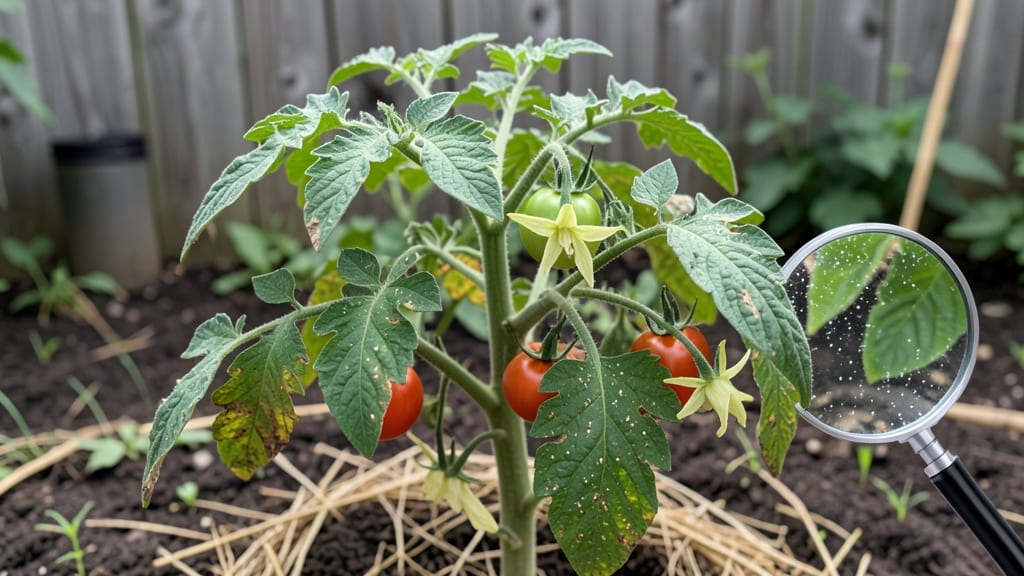
Dealing with a tomato plant allergy means your garden dreams don’t have to end—just adapt. ✨ I’ve grown tomatoes for years while managing allergies, and the key is choosing the right varieties, handling plants carefully, and keeping your workspace clean.
The itchy eyes and sneezing from pollen or sap exposure are real, but with the right approach, you can still enjoy fresh tomatoes without the misery.
The first step is selecting hypoallergenic tomato varieties like ‘Mountain Merit’ or ‘Celebrity,’ which produce less pollen. Always wear nitrile gloves when pruning or harvesting, and wash your hands thoroughly afterward.
Good ventilation in your garden area helps too—plant tomatoes where air circulates freely to reduce trapped pollen. Even small changes make a big difference.
You’ll notice fewer allergic reactions when you handle plants correctly, and the tomatoes you harvest will taste just as sweet. The right varieties paired with smart gardening habits mean you can grow what you love without the discomfort. Let’s explore how to set this up safely for your garden.
This approach works for both backyard gardens and container growing, so you’re not limited by space. The goal is to enjoy gardening without the allergy flare-ups. Here’s how to make it happen step by step.
📚 In This Guide
- What you need
- Instructions
- Tips and common mistakes
- Wrapping up and next steps
What you need
- ● Allergy-safe plants: 1–3 pepper plants (bell peppers, jalapeños, or poblano—low-allergen alternatives)
- ● 1–2 eggplant plants (less likely to cross-react with tomato allergies)
- ● 3–5 zucchini or summer squash plants (great for quick harvests)
- ● 1–2 cucumber plants (trellis-friendly and allergy-safe)
- ● Garden supplies: 1–2 5-gallon pots or raised garden beds (with drainage holes)
- ● High-quality potting mix (sterilized, 10–15 lbs)
- ● Organic compost (5–10 lbs for nutrient boost)
- ● Slow-release fertilizer (balanced 10-10-10, 1 lb)
- ● Safety & testing: Disposable gloves (nitrile, 1 box)
- ○ Patch test kit (optional: small samples of plant sap for sensitivity checks)
- ● Trellis or stakes (for cucumbers or vining plants)
- ● Mulch (straw or shredded leaves, 2–3 bags)
- ● Companion plants (basil, marigolds, or nasturtiums to deter pests)
- ● Allergy tracking journal (to log reactions and plant responses)
Instructions for cultivating tomato-free garden alternatives
Here’s how to build a thriving garden without tomatoes—focused on safe, allergy-friendly plants that deliver flavor and beauty.
🌱 Step 1: Select Allergy-Friendly Vegetables
Swap tomatoes for peppers (bell, jalapeño, or banana), which thrive in similar conditions but belong to a different botanical family. Eggplants are another excellent choice—they’re nightshade relatives but far less allergenic for most people. For leafy greens, basil, cilantro, and parsley grow easily and add freshness without risk.
I always check cross-reactivity: if someone reacts to tomatoes, green beans, cucumbers, and zucchini are typically safe. These plants also pair well with herbs like thyme or oregano, which repel pests naturally and complement meals beautifully.
🪴 Step 2: Prepare Containers or Garden Beds
Use 6-inch deep containers for compact plants like peppers or herbs, or dedicate a 4-foot-wide garden bed for sprawling varieties like cucumbers. Fill with well-draining potting mix (never garden soil—it’s too dense for containers). Add a 1-inch layer of compost to boost nutrients without overloading roots.
For raised beds, mix 3 gallons of potting mix with 1 gallon of perlite to improve aeration. This prevents waterlogged roots, which can stress plants and trigger mold—especially problematic for sensitive gardeners. Space plants 12-18 inches apart to ensure airflow and reduce disease risk.
☀️ Step 3: Provide Sunlight and Water Consistently
Most tomato alternatives need 6-8 hours of direct sun daily. A south-facing window or grow light on a 14-hour timer works for containers. If outdoors, place beds where they get morning sun and afternoon shade in hot climates to prevent wilting.
Water deeply every 2-3 days, ensuring the top 2 inches of soil feel dry before rewatering. Drip irrigation or soaker hoses work best—they deliver moisture at the roots without wetting foliage, which minimizes fungal spores. Mulch with straw or shredded leaves to retain moisture and suppress weeds.
✂️ Step 4: Prune and Harvest for Maximum Yield
Peppers and eggplants benefit from light pruning—remove yellowed leaves and suckers (side shoots) to redirect energy to fruit production. For herbs, snip stems just above a leaf node to encourage bushier growth. Harvest peppers when firm and glossy, and cucumbers when 6-8 inches long for peak flavor.
I always harvest in the morning when plants are hydrated—this ensures crispness and extends shelf life. Store peppers and herbs in the fridge for up to 5 days, while cucumbers last 7-10 days wrapped in a damp towel. Regular harvesting encourages more production, so don’t skip this step!
🌿 Step 5: Monitor for Pests and Diseases
Watch for aphids or spider mites, which can stress plants. Spray with neem oil (diluted to 1 tablespoon per quart of water) weekly as a preventive. For fungal issues like powdery mildew, remove affected leaves immediately and improve airflow by thinning plants.
Crop rotation is key—don’t plant the same family (like nightshades or cucurbits) in the same spot next season. Instead, rotate with alliums (onions, garlic) or beans, which enrich soil naturally. This breaks pest and disease cycles while keeping your garden productive and safe.
Tips & tricks for cultivating allergy-friendly garden alternatives
Building a thriving garden without tomatoes requires strategic choices—and these insights will help you avoid common pitfalls while maximizing flavor and yield.
Plant Selection Strategy: When choosing between bell peppers, jalapeños, or banana peppers in Step 1, opt for bell peppers if you're growing for beginners—they're more forgiving with temperature fluctuations. For heat lovers, jalapeños offer bold flavor but need consistent warmth. Remember that eggplants, while nightshade relatives, are typically better tolerated due to their lower solanine content.
Container Depth Matters: In Step 2, those 6-inch deep containers are non-negotiable for compact plants like peppers or herbs. Shallow containers restrict root growth, leading to stunted plants. For cucumbers in your 4-foot bed, consider trellising to save space and improve airflow—this prevents fungal issues while maximizing harvest. The 12-18 inch spacing isn't just about aesthetics; it's about creating a microclimate that reduces humidity around foliage.
Sunlight Optimization: The 6-8 hours of direct sun in Step 3 is your golden window—literally. If you're using containers near a south-facing window, rotate them daily to ensure even exposure. For outdoor beds, position them where morning sun warms the soil (helping roots establish) while afternoon shade prevents wilting in hot climates. This balance is especially critical for peppers, which can scorch in intense afternoon heat.
Harvest Timing Secret: That morning harvest ritual in Step 4 isn't just about crispness—it's about flavor. Peppers develop their sweetest sugars when hydrated, so harvesting at dawn captures peak flavor. For cucumbers, the 6-8 inch size guideline prevents them from becoming seedy and bitter. Pro tip: Harvest every other day during peak production to encourage continuous flowering—this can double your yield over a season.
Pro Tips for Tomato Plant Allergy
- Building a thriving garden without tomatoes requires strategic choices—and these insights will help you avoid common pitfalls while maximizing flavor and yield.
- Plant Selection Strategy: When choosing between bell peppers, jalapeños, or banana peppers in Step 1, opt for bell peppers if you're growing for beginners—they're more forgiving with temperature fluctuations.
- Container Depth Matters: In Step 2, those 6-inch deep containers are non-negotiable for compact plants like peppers or herbs.
Frequently asked questions
Got questions about tomato plant allergies?
You’re not alone—many gardeners wonder how to navigate this safely. Below, we’ve rounded up the most common concerns and practical solutions to keep your garden (and your health) thriving!
Can I touch tomato plants if I’m allergic to tomatoes?
Yes, but with caution! Tomato plant allergies are often triggered by Solanaceae family proteins, which can cause skin irritation or respiratory reactions. Wear gloves and long sleeves when handling plants, and wash your hands thoroughly afterward. If you experience itching, rashes, or breathing difficulties, avoid direct contact entirely.
How long after planting tomatoes can I expect allergic reactions?
Reactions can occur immediately upon contact (e.g., skin irritation) or develop over hours/days (e.g., digestive issues if ingested). Some people react to pollen or sap exposure right away, while others may notice symptoms after prolonged handling. Monitor your body’s response for the first few days after planting.
Are there tomato plant alternatives that won’t trigger allergies?
Swap tomatoes for non-Solanaceae plants like cucumbers, zucchini, or green beans. If you love the tomato flavor, try peppers (bell or chili)—some people tolerate them better. Always test small amounts first, and opt for organic seeds to minimize chemical sensitivities.
What should I do if I accidentally ingest tomato plant parts?
Rinse your mouth thoroughly with water and monitor for symptoms like hives, swelling, or digestive upset. If reactions are mild (e.g., mild stomachache), rest and hydrate. For severe symptoms (e.g., throat swelling, difficulty breathing), seek emergency care immediately—carry an epinephrine auto-injector if prescribed.
Can tomato plant allergies worsen over time?
Yes, like other allergies, sensitivity to tomato plants can increase with repeated exposure. If you notice worsening symptoms (e.g., stronger rashes or respiratory issues), reduce contact and consult an allergist. They may recommend patch testing or immunotherapy for long-term management.
Pro tip: Keep a garden journal to track reactions—note which parts of the plant (leaves, stems, fruit) trigger issues and share details with your doctor for personalized advice!
Wrapping up and next steps
If you love gardening but have a tomato plant allergy, don’t let it stop you—there are plenty of safe and rewarding alternatives!
From fragrant herbs like basil and cilantro to vibrant flowers such as marigolds and sunflowers, your garden can still thrive without tomatoes. Start small, experiment with a few allergy-friendly plants, and enjoy the beauty (and flavors!) of a garden that works for you.
Ready to get growing? Pick one plant from this list, grab your supplies, and plant with confidence! 🌱