Diseases
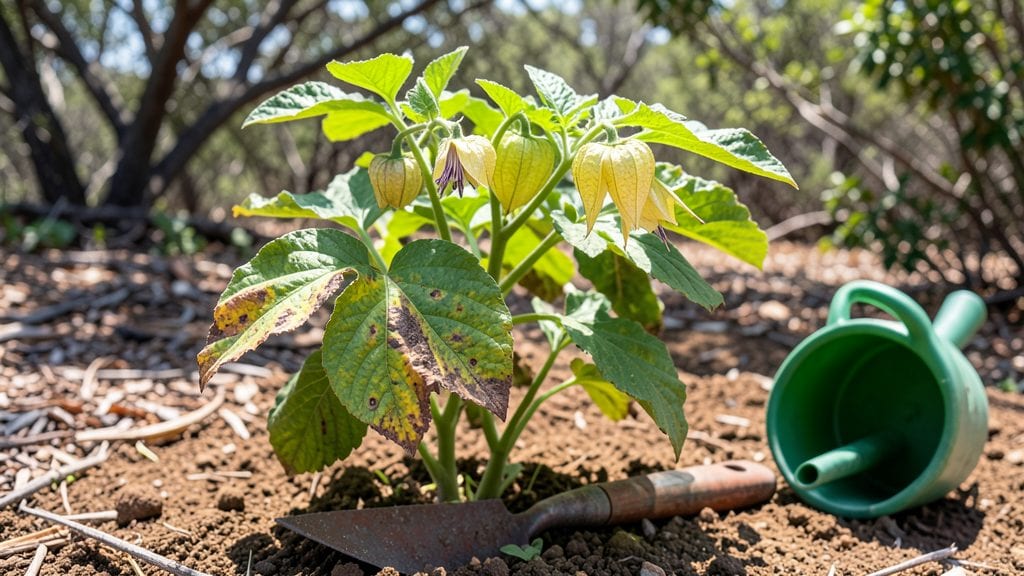
Tomatillo plant diseases can turn your green harvest into a sad, spotted mess if you don’t catch them early. I’ve lost entire batches to fungal infections and bacterial blights—until I learned the subtle signs that save the crop.
The key is acting before the leaves turn to mush or the fruit rots on the vine.
Most problems start with overwatering or poor airflow, creating the perfect damp, dark conditions for pathogens. Powdery mildew leaves white fuzzy patches on leaves, while bacterial spot creates tiny, water-soaked lesions that ooze when wet.
Early blight shows up as concentric rings on the lower leaves—like nature’s bullseye. The good news? Organic fixes like neem oil, copper sprays, and proper spacing can turn things around.
You’ll spot the difference within 10-14 days of treatment if you catch it soon enough. Prune infected leaves immediately, space plants for airflow, and water at the base—not overhead.
The goal is to keep your tomatillos thriving, not just surviving. Here’s how to diagnose and fix the most common issues before they ruin your harvest.
Works for home gardeners in all zones, whether you’re growing in containers or garden beds. Let’s get your tomatillos back to their best—and keep them that way all season.
Root Causes of Tomatillo Trouble
Tomatillo plants, like their tomato cousins, are susceptible to a range of diseases that can devastate your harvest if left unchecked. Understanding why these issues arise is the first step to prevention.
Below, we break down the most common culprits—from fungal invaders to environmental stressors—and explain the science behind their attacks.
Fungal diseases thrive in damp, warm conditions, making them a persistent threat to tomatillos. These pathogens often exploit weak spots in plant defenses, such as damaged leaves or overcrowded foliage. Here’s how they strike:
🔬 Why Fungi Love Your Tomatillos
- Excessive Moisture: Fungi like Phytophthora (root rot) and Alternaria (early blight) spread via water droplets, splashing from soil to leaves. Poor air circulation—common in dense plantings—traps humidity, creating the perfect breeding ground.
- Science alert: Fungal spores germinate in 24–48 hours when leaf surfaces stay wet for prolonged periods.
- Actionable fix: Space plants 18–24 inches apart and avoid overhead watering.
- Stress from Overwatering: Tomatillos need consistent moisture, but soggy soil suffocates roots, weakening the plant’s immune response. Fungi capitalize on this by infiltrating through root wounds or leaf cuts.
- Pro tip: Use a moisture meter to keep soil at 60–70% capacity—never waterlogged.
- Old or Damaged Leaves: Fungal spores latch onto tears or yellowing leaves, using them as entry points. Septoria leaf spot, for example, targets senescent (aging) tissue first.
- Preventative hack: Prune lower leaves regularly and remove fallen debris, which harbors spores.
Unlike fungi, bacteria often sneak in through wounds or contaminated tools, then multiply rapidly in warm, humid conditions. Tomatillos are especially vulnerable to Xanthomonas (bacterial spot) and Pseudomonas (soft rot), which exploit stress or poor hygiene.
🧫 How Bacteria Hijack Your Plants
- Contaminated Water or Soil: Bacteria like Xanthomonas perforans can lurk in reused soil, old compost, or even rainwater splashing from infected plants. Once inside, they clog plant vessels, disrupting nutrient flow.
- Science alert: Bacterial populations can double every 20 minutes in ideal conditions (75–85°F and high humidity).
- Actionable fix: Sterilize tools with 70% isopropyl alcohol and use fresh, pasteurized soil.
- Physical Damage: Cuts from pruning, hail, or pests create open doors for bacteria. Pseudomonas syringae, for instance, thrives in wounded tissue, causing oozing lesions.
- Pro tip: Use sharp, clean pruners and avoid working plants when leaves are wet.
- Overcrowding: Dense foliage traps moisture and blocks airflow, giving bacteria a foothold. Poor ventilation also delays drying, prolonging their spread.
- Fix: Thin plants to improve airflow and remove infected leaves immediately (don’t compost them!).
Tomatillos aren’t just battling microbes—they’re also fighting unfavorable growing conditions. Extreme heat, poor drainage, or nutrient imbalances weaken plants, making them easy targets for diseases.
🌡️ Heat and Drought: The Double Whammy
- Heat Stress: Temperatures above 90°F can scorch leaves, creating entry points for pathogens. Weakened plants also produce fewer defensive compounds like phenolics, which normally repel fungi.
- Solution: Provide afternoon shade cloth (30–50%) during heatwaves.
- Poor Drainage: Waterlogged soil starves roots of oxygen, leading to root rot caused by Pythium or Phytophthora. These fungi thrive in anaerobic (oxygen-poor) conditions.
- Fix: Amend soil with compost or perlite to improve drainage. Raise beds if your soil is clay-heavy.
- Nutrient Deficiencies: Lack of calcium or potassium weakens cell walls, making plants more susceptible to bacterial and fungal attacks. For example, blossom end rot (caused by calcium deficiency) can invite secondary infections.
- Quick fix: Side-dress with crushed eggshells (calcium) or wood ash (potassium) mid-season.
Some pests don’t just damage tomatillos—they spread diseases. Aphids, for example, excrete honeydew that fosters sooty mold, while slugs create slime trails that harbor fungal spores.
🐜 How Pests Enable Diseases
- Aphids and Whiteflies: These sap-suckers weaken plants and transmit viruses like Tomato Mosaic Virus. Their sticky residue also attracts mold.
- Defense: Introduce ladybugs or spray neem oil to deter them.
- Slugs and Snails: Their trails leave behind a film of bacteria and fungi, including Botrytis (gray mold), which thrives on decaying organic matter.
- Barrier tip: Use coffee grounds or copper tape around plant bases to repel them.
By addressing these root causes—moisture management, plant hygiene, soil health, and pest control—you’ll starve diseases before they start. The key is proactive care, not just reactive fixes. 🌱
Quick Fixes for Tomatillo Troubles
When your tomatillo plants show signs of distress, acting fast can save your harvest—and your sanity! Below are practical, organic solutions tailored to the most common diseases, plus prevention tips to keep your plants thriving. Think of this as your emergency repair kit for ailing tomatillos.
🔥 Problem: Dark, concentric rings on leaves? That’s early blight, and it’s hungry for more.
👨🍳 Fix It:
- Prune aggressively – Snip off infected leaves (including stems) and dispose of them in the trash (not compost). Use sterilized pruners (wipe with rubbing alcohol) to avoid cross-contamination.
- Boost airflow – Space plants 18–24 inches apart and stake them to prevent humidity buys. A fan on low for 10–15 minutes daily can dry leaves faster.
- Copper spray – Mix 1 tsp baking soda + 1 quart water + a few drops of dish soap (or use a 1% copper fungicide). Spray every 7–10 days at dawn or dusk.
- Mulch smartly – Use straw or grass clippings (not wood chips) to keep soil moist but not soggy.
💡 Prevention Pro Tips:
- Rotate crops – Don’t plant tomatillos (or nightshades) in the same spot for 3+ years.
- Plant resistant varieties like ‘Purple de Milpa’—they tolerate blight better.
- Water at the base – Avoid wetting leaves to reduce spore spread.
🔥 Problem: Greasy, brown spots that spread overnight? Late blight is aggressive—act immediately.
👨🍳 Fix It:
- Remove infected plants – Dig up and burn (don’t compost!) entire plants to stop spores.
- Emergency spray – Use a commercial copper fungicide (like Cueva or Bonide Copper) every 5–7 days for 2–3 weeks.
- Baking soda blast – Mix 1 tbsp baking soda + 1 tsp oil + 1 gallon water and spray daily for 3 days, then every 5 days.
- Quarantine your garden – Keep infected plants 10+ feet away from healthy ones.
💡 Prevention Pro Tips:
- Plant early – Late blight thrives in cool, wet weather. Start seeds indoors 8–10 weeks before last frost.
- Row covers – Use floating row covers until flowers appear to block spores.
- Monitor weather – Late blight loves 50–77°F temps + humidity. Check forecasts and spray preemptively if rain is forecasted.
🔥 Problem: Leaves dusted with white powder? It’s powdery mildew, and it’s stealing sunlight from your plants.
👨🍳 Fix It:
- Neem oil spray – Mix 1 tbsp neem oil + 1 tsp soap + 1 quart water. Spray both sides of leaves every 5–7 days until gone.
- Hydrogen peroxide wash – Use 1 tbsp 3% H₂O₂ per quart of water (spray in shade to avoid leaf burn).
- DIY sulfur dust – Lightly dust plants with elemental sulfur (follow package rates) for a natural fungicide.
- Prune for light – Thin foliage to improve airflow—mildew hates dry leaves.
💡 Prevention Pro Tips:
- Space plants properly – Crowding = mildew’s best friend.
- Water in the morning – Wet leaves dry faster in sunlight.
- Companion plant – Grow marigolds or garlic nearby to deter mildew spores.
🔥 Problem: Tiny, water-soaked spots that ooze? Bacterial spot spreads via water and tools.
👨🍳 Fix It:
- Clean up immediately – Remove all infected leaves and sterilize pruners with bleach water (1:10 ratio).
- Copper soap spray – Mix 1 tbsp copper sulfate + 1 tsp soap + 1 gallon water. Spray every 5 days for 2 weeks.
- Avoid overhead watering – Use a drip irrigation system or water at the base only.
- Baking soda soak – Soak seeds in 1% baking soda solution for 30 minutes before planting to prevent infection.
💡 Prevention Pro Tips:
- Rotate crops – Don’t plant tomatillos in the same bed for 2+ years.
- Use resistant varieties – Try ‘Green Mexican’ or ‘Green de Milpa’ strains.
- Disinfect tools – Wipe pruners with rubbing alcohol between uses.
Even after treating an issue, prevention is your best tool. Here’s how to future-proof your tomatillos:
| Tactic | How to Do It | Why It Works |
|---|---|---|
| Crop rotation | Switch families yearly (e.g., legumes → nightshades). | Breaks disease cycles in the soil. |
| Healthy soil | Add compost + mycorrhizal fungi before planting. | Strong plants resist diseases better. |
| Resistant varieties | Choose heirloom strains like ‘Purple de Milpa’. | Some breeds naturally tolerate blight. |
| Sanitation | Remove debris weekly and sterilize tools. | Reduces spore survival. |
| Monitor weather | Check forecasts and spray preventatively before rain. | Stops diseases before they start. |
✨ Final Thought: Most tomatillo diseases are manageable with quick action and organic methods. The key? Catch them early, clean up thoroughly, and keep your plants happy with good airflow, water discipline, and resistant varieties. Your salsa—and your sanity—will thank you! 🌿🍲
Frequently asked questions
What are the first signs of fungal diseases on tomatillo plants?
Watch for white powdery coatings (powdery mildew), dark concentric rings (early blight), or yellowing leaves with brown spots (leaf spot). These appear on lower leaves first and spread upward as humidity increases. Act within 3-5 days to prevent full infection.
Can I use the same organic sprays for bacterial and fungal diseases?
No—copper sprays work for both, but bacterial spots require immediate removal of infected parts since they spread faster. For fungi, neem oil or baking soda mixes help, while bacteria need sterilized tools and soil sanitation to prevent reinfection.
Why do my tomatillo leaves turn yellow but no spots appear?
Yellowing without spots often signals nutrient deficiencies (like nitrogen or magnesium) or overwatering. Check soil moisture—roots need 60-70% capacity, not soggy conditions. Test soil pH too; tomatillos prefer 6.0-7.0.
How do I know if my tomatillo plants are just struggling or actually diseased?
Healthy stress shows as general wilting or slow growth with no visible spots. Diseases have distinct patterns: powdery mildew (fuzzy white), bacterial spot (oozy lesions), or blight (target-like rings). Use a 10x magnifier to spot early signs.
Can I save my harvest if diseases appear late in the season?
Yes, but act fast! Remove all infected foliage and prune aggressively to improve airflow. Use copper fungicide every 5-7 days and harvest green fruit (it ripens off the vine). Avoid composting diseased plant parts—burn or trash them instead.