
Companion Plants
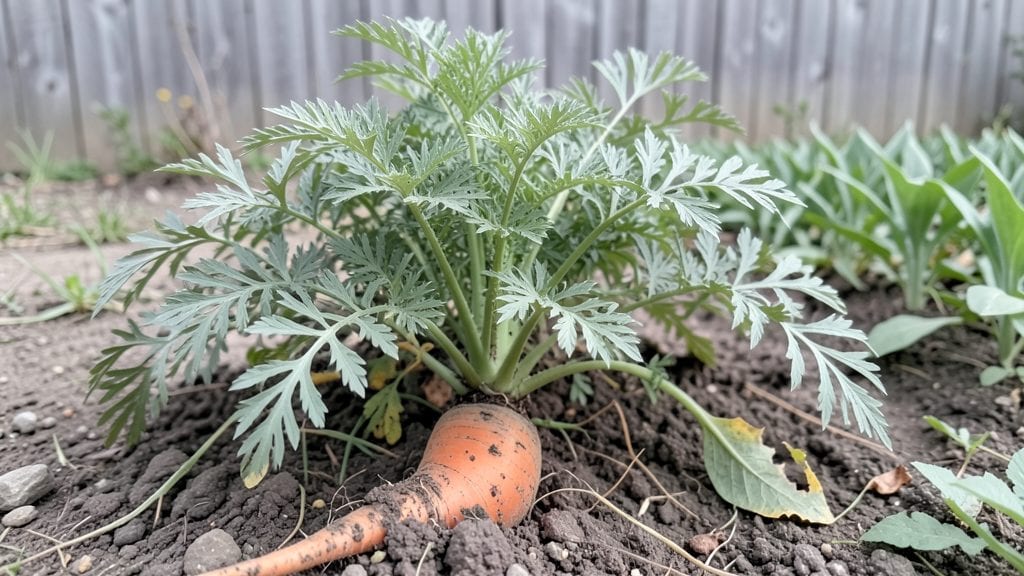
My first year growing tap root plants taught me why these deep-rooted powerhouses belong in every garden. 🌱 They don’t just produce food—they aerate compacted soil, break up hardpan, and create channels for water to reach other plants’ roots.
The key is giving them space to spread their roots downward while keeping the surface soil loose for shallow-rooted companions.
These plants thrive in loose, well-draining soil with a pH between 6.0 and 7.0, but they’ll tolerate a range if the ground isn’t rock-hard. Carrots, radishes, and beets are the classic choices, but don’t overlook dandelions or clover—they’re free soil doctors that outperform many ornamentals.
The biggest challenge? Overcrowding stunts their growth, so plan for at least 2-3 inches between seeds and 6-12 inches between mature plants, depending on the variety.
By midsummer, you’ll see their benefits ripple through your garden: fewer weeds, better drainage, and healthier neighboring plants. The trade-off? They take patience—some roots need 60-90 days to mature—but the long-term payoff makes them worth every inch of space. Here’s how to grow them without the common pitfalls.
Whether you’re fixing tired garden beds or prepping new soil, tap roots deliver results that last. The secret lies in timing: plant them early in the season when soil is cool and moist, and avoid working the ground when it’s dry.
This one simple shift can turn struggling soil into a thriving ecosystem.
📚 In This Guide
- What you need
- Instructions
- Tips and common mistakes
- Wrapping up and next steps
What you need
- ● Tap root plant seeds or seedlings: Carrot (Daucus carota) – 1 lb of seeds or 10–20 seedlings
- ● Parsnip (Pastinaca sativa) – ½ lb of seeds or 8–12 seedlings
- ● Radish (Raphanus sativus) – 1 lb of seeds (fast-growing companion!)
- ● Beet (Beta vulgaris) – ½ lb of seeds or 6–10 seedlings
- ○ Dandelion (Taraxacum officinale) – 1 lb of seeds (optional, for soil health)
- ● Garden soil: 1–2 cubic yards of well-draining, loose soil (amend with compost if needed)
- ● Compost or organic matter: 2–3 gallons (for enriching soil)
- ● Watering can or hose: With a gentle spray nozzle for seedlings
- ● Garden gloves: A pair (to protect your hands from thorns or rough soil)
- ● Garden trowel: For planting seeds/seedlings (small, 6-inch size works best)
- ● Rake: To loosen soil before planting
- ● Mulch (straw or wood chips): 1–2 bags (to retain moisture)
- ○ Row cover or shade cloth: (Optional, for seedlings in hot climates)
- ○ pH testing kit: (Optional, to check soil acidity—ideal range: 6.0–7.0)
- ● Companion plant seeds: Like lettuce, onions, or beans (to maximize garden space!)
How to select and plant tap root plants for soil enrichment
These deep-rooted plants work best when planted strategically—here's how to maximize their soil benefits.
🌱 Step 1: Choose the Right Tap Root Plants for Your Soil
Select plants like carrots, parsnips, beets, dandelions, or comfrey based on your soil type. Sandy soils benefit most from parsnips and carrots, which break up compacted layers, while clay soils thrive with dandelions or comfrey—their roots create channels that improve drainage. I always prioritize comfrey for heavy soils because its roots reach 5-6 feet deep, bringing up nutrients from lower layers.
Check your soil's current health before selecting. Dig a 6-inch deep hole and examine the texture—if it feels dense or waterlogged, tap root plants will help aerate it naturally. Avoid planting tap roots in freshly amended soil (like compost-heavy beds) for at least 4-6 weeks, as their roots need undisturbed space to grow deep.
🪴 Step 2: Prepare Planting Sites for Optimal Root Growth
Loosen the soil to a depth of 12 inches using a broadfork or tiller, but avoid overworking it—tap roots need resistance to grow strong. Work in 2-3 inches of aged compost (not fresh) into the top 6 inches of soil to provide nutrients without compacting the lower layers. I like to mix in a handful of bone meal for phosphorus, which encourages robust root development.
Test soil moisture before planting—tap roots struggle in waterlogged conditions but also dry out quickly in sandy soil. Aim for soil that feels like a slightly damp sponge when squeezed. If your soil drains poorly, raise beds 4-6 inches to improve aeration and prevent root rot.
☀️ Step 3: Plant at the Correct Depth and Spacing
Sow seeds twice as deep as their diameter—carrot seeds go ¼ inch deep, while parsnip seeds need ½ inch to prevent bolting. Space seeds 2-3 inches apart in rows 12-18 inches apart to allow roots room to expand without competing. Thin seedlings to 3-4 inches apart once they reach 2 inches tall, using sharp scissors to avoid disturbing roots.
This is the moment that matters: don’t overcrowd. Tap roots need space to grow deep, and competition stunts their development. If you’re planting comfrey as a soil improver, space plants 18-24 inches apart—they’ll spread aggressively but improve soil dramatically over time.
💧 Step 4: Water Strategically to Encourage Deep Root Growth
Water deeply but infrequently—aim for 1-2 inches of water per week, delivered in one long session rather than frequent light waterings. This trains roots to grow downward in search of moisture. I use a soaker hose buried 2 inches deep to ensure water reaches lower soil layers without wetting foliage, which reduces disease risk.
Monitor soil moisture by checking 4 inches deep with your finger—if it feels dry, it’s time to water. Avoid overhead watering after planting, as wet foliage can lead to fungal issues. Mulch with 2 inches of straw to retain moisture and prevent soil crusting, which can restrict root expansion.
✂️ Step 5: Maintain and Harvest for Maximum Soil Benefits
Allow tap roots to mature fully before harvesting—carrots need 70-80 days, parsnips 90-120 days, and comfrey can stay in place for 3-5 years. When harvesting, use a fork or spade to lift roots carefully, leaving as much of the root system in the soil as possible to break it down naturally. Chop any remaining roots into 1-inch pieces and mix them back into the soil for an instant nutrient boost.
After harvesting, leave the bed empty for 4-6 weeks to allow decomposed root matter to enrich the soil. This is where the real magic happens—tap roots leave behind microchannels that improve aeration and water penetration for future crops. For comfrey, I cut back foliage in early spring to encourage new growth and nutrient uptake.
Tips & tricks for perfect tap root planting
A few strategic moves will ensure your tap root plants thrive and transform your soil for years to come.
The Soil Test Secret: Before planting, conduct a simple soil test by digging a 6-inch hole and squeezing a handful of soil. If it crumbles easily, your soil is too dry for tap roots like carrots or parsnips. If it stays in a tight clump, you need drainage improvement. I always mix in bone meal at this stage—it provides phosphorus that encourages deep root growth, which is exactly what we want from these powerhouse plants.
Planting Depth Precision: The rule of thumb—planting seeds twice as deep as their diameter—is critical. Carrot seeds at just ¼ inch deep need perfect moisture to germinate, while parsnip seeds at ½ inch prevent bolting. Use a ruler to verify depth after planting, especially in sandy soils where seeds can wash deeper during watering. Pro tip: Gently press soil around seeds with your finger to create firm contact without compacting.
Watering Strategy: The 1-2 inch weekly watering guideline is non-negotiable for deep root development. I've learned the hard way that frequent light waterings create shallow roots. Instead, use a soaker hose buried 2 inches deep to deliver water directly to root zones. Check moisture at 4 inches deep—this is where your tap roots will eventually grow. If it's dry, it's time to water.
Comfrey's Unique Advantage: For heavy clay soils, comfrey is my go-to because its roots reach 5-6 feet deep. Plant it 18-24 inches apart in early spring, and let it establish for 3-5 years. The key is cutting back foliage annually in early spring—this forces the plant to redirect energy into root growth, bringing up nutrients from lower soil layers. Think of it as a natural subsoil plow.
Pro Tips for Tap Root Plants
- A few strategic moves will ensure your tap root plants thrive and transform your soil for years to come.
- The Soil Test Secret: Before planting, conduct a simple soil test by digging a 6-inch hole and squeezing a handful of soil.
- Planting Depth Precision: The rule of thumb—planting seeds twice as deep as their diameter—is critical.
Frequently asked questions
What are the best tap root plants for beginners?
Start with easy, fast-growing options like carrots, radishes, or beets. These tolerate a range of soils and mature quickly. For deeper roots, try parsnips or turnips—just amend your soil well to avoid forking or stunted growth.
How long does it take for tap roots to fully develop?
Timing varies by plant! Radishes mature in 3–4 weeks, while carrots take 70–80 days. Parsnips and beets need 3–4 months. Check seed packets for exact days—harvest early for tender roots or wait for full size.
Can I grow tap root plants in containers?
Yes! Use deep pots (at least 12–18 inches tall) with loose, sandy soil. Avoid shallow containers—roots need room to grow straight. Radishes and turnips adapt best; larger roots (like carrots) may fork if crowded.
Why are my tap roots forking or splitting?
Forking usually means rocky, compacted, or uneven soil. Loosen soil before planting, add compost, and avoid overcrowding. If roots hit obstacles, they split to escape—prevent this with fine, crumbly soil and gentle watering.
Are tap root plants good for companion planting?
They aerate soil and deter pests like nematodes. Pair carrots with onions (to repel flies) or leeks (for flavor). Avoid planting near potatoes—they compete for space and nutrients.
Wrapping up and next steps
Tap root plants like carrots, dandelions, and parsnips aren’t just garden stars—they’re soil superheroes! 🌱 Their deep roots break up compacted soil, aerate it, and pull up nutrients, making space for shallower-rooted plants to thrive.
Whether you’re a seasoned gardener or just starting, adding these powerhouses to your beds will give your plants a healthier home.
Ready to level up your garden game? Start small—try planting a few tap root companions this season and watch your soil transform! 🌿 For even more tips, check out our companion planting guide to create the ultimate thriving ecosystem.