
Companion Plants
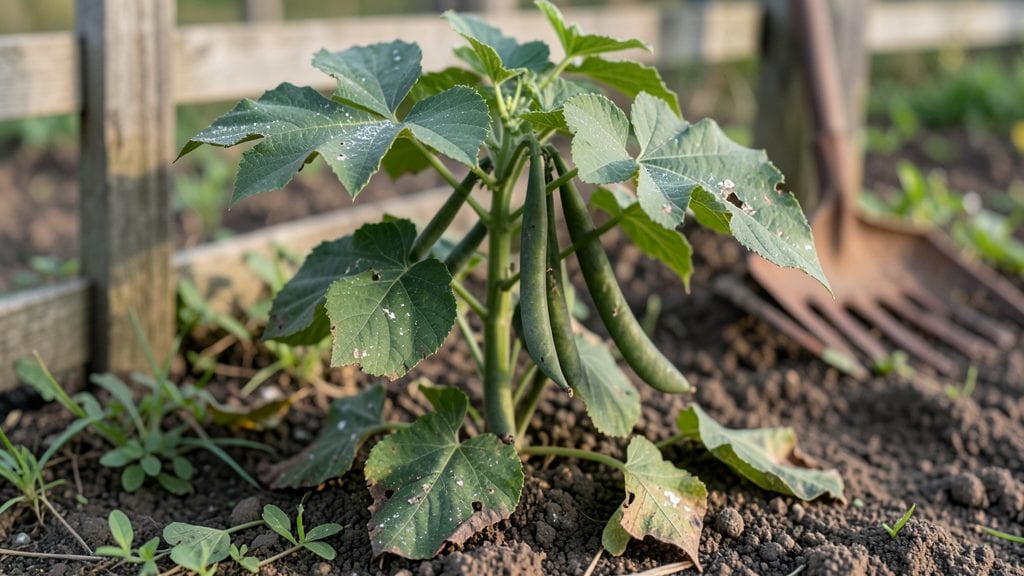
After a storm leaves the hail damage on plants, you’ll spot the telltale signs—crushed petals, split stems, and leaves that look like they’ve been run over. But here’s the good news: most plants bounce back faster than you think, especially with the right quick fixes.
I’ve nursed back everything from tender basil to tough oak leaves after storms, and the key is acting fast to stop rot and shock before the plant’s energy drains away.
The damage might seem worse than it is—focus first on removing broken branches and leaves (they’re just inviting disease). Then, give the plant a deep drink of water to help it recover, and keep an eye out for pests that love stressed plants.
Resilient varieties like Russian sage or ninebark handle hail like champs, but even delicate annuals can recover if you prune carefully and protect them from sunburn in the days after the storm.
Within days, you’ll start seeing new growth pushing through, and by the time the next heatwave hits, your plants will be stronger than ever. The trick is staying patient—what looks like a write-off now often turns into a comeback story.
Let’s turn that hail damage into a lesson for next time, too, with smarter protective measures.
This works for everything from container plants to perennials, and the same principles apply whether you’re dealing with a sudden storm or lingering bruising. The goal isn’t perfection—it’s revival. Let’s get those plants back on their feet.
How Hail Harms Plant Life
When hailstorms strike, your garden isn’t just battling a fleeting rain shower—it’s facing a high-speed assault from frozen projectiles. Hailstones, formed when updrafts carry water droplets high into the atmosphere where temperatures drop below freezing, create dense ice balls that can range from pea-sized to golf ball-sized or larger.
When these icy projectiles plummet to the ground at speeds exceeding 100 mph (160 km/h), they can cause severe, immediate damage to plants. But why does hail wreak such havoc? Let’s break down the science behind the destruction.
Hail’s primary weapon is its sheer force. When a hailstone strikes a plant, it acts like a tiny, icy bullet, rupturing cell walls and chloroplasts (the structures responsible for photosynthesis). Here’s how it happens:
- Direct puncture wounds: Sharp edges of hailstones tear through delicate leaves, stems, and even bark, creating open wounds that invite disease and pests.
- Bruising and crushing: Larger hailstones can flatten leaves or crush tender stems, disrupting the plant’s vascular system (xylem and phloem) that transports water and nutrients.
- Stem breakage: Woody plants or young trees may suffer snapped branches or trunks, severing the plant’s lifeline to roots.
Pro tip: 🌡️ Thicker, waxy leaves (like those on succulents or rhododendrons) may survive better than thin, broad leaves (e.g., tomatoes or basil), but no plant is completely immune.
Once hail breaches a plant’s protective barrier, water loss becomes a critical issue. Healthy leaves are coated in a cuticle, a waxy layer that reduces evaporation. Hail damage punctures this layer, causing:
- Accelerated transpiration: Without an intact cuticle, plants lose moisture at an alarming rate, leading to wilting even if roots are intact.
- Stomatal collapse: Tiny pores called stomata (which regulate gas exchange) can close or become clogged with debris, further disrupting respiration and photosynthesis.
- Root stress: If foliage loses too much water, roots may struggle to compensate, especially in drought conditions.
Pro tip: 💡 Mulching after hail can help retain soil moisture and reduce stress on damaged roots.
Open wounds from hail create perfect entry points for fungal infections, bacterial rot, and viral pathogens. Here’s why:
- Fungal spores thrive: Fungi like Botrytis (gray mold) or Alternaria can infect damaged tissue, causing brown spots, wilting, or even plant death.
- Bacterial invasion: Bacteria such as Erwinia or Pseudomonas can enter through punctures, leading to soft rot or leaf blight.
- Secondary pests: Insects like aphids or mites may target weakened plants, further stressing already compromised systems.
Pro tip: ✨ Prune damaged foliage immediately (but sterilize tools with rubbing alcohol) to prevent spread.
Hailstorms often bring rapid temperature drops, especially in spring or fall. While the hail itself is the primary culprit, the cold shock can compound damage:
- Chilling injury: Some plants (like tropical varieties) are sensitive to temperatures below 40°F (4°C). Hail’s cold impact can cause cold necrosis (dead tissue) even if the plant isn’t physically punctured.
- Delayed recovery: Plants already stressed by cold may take longer to bounce back from hail damage, leaving them vulnerable to other environmental factors.
Pro tip: 🌡️ Monitor nighttime temperatures post-hail—cover tender plants with frost cloth if frost is forecasted.
Understanding these mechanisms helps you act fast to mitigate damage. In the next section, we’ll explore how to assess and revive hail-stricken plants before secondary issues take hold.
Reviving Plants After Storm Damage
Hail can turn lush gardens into a battleground of torn leaves, crushed stems, and despair—but don’t toss those plants just yet! With the right approach, most can bounce back stronger than ever.
Below, we’ll tackle the most common hail damage symptoms and match them with practical fixes, plus prevention tips to shield your plants from future storms.
Cause: Hail punctures leaves, leaving ragged edges or dark spots. Fix:
- Prune damaged foliage 🔪 with clean, sharp scissors or shears. Cut back to healthy growth just above a leaf node or bud to encourage new shoots.
- Remove severely damaged leaves entirely—this prevents disease and redirects energy to recovery.
- Apply a light layer of horticultural oil or neem oil (💡 diluted to 1%) to protect against fungal infections that thrive on open wounds.
Prevention Tip: ✨ Use row covers (floating fabric or netting) during storm forecasts. Even lightweight materials can deflect hail’s impact.
Cause: Heavy hail snaps stems or bends branches beyond repair. Fix:
- For woody plants (trees/shrubs):
- Prop up broken branches with stakes and soft ties (use old T-shirts or tree wrap to avoid cutting into bark).
- Prune dead or dangling limbs to prevent further stress. Make cuts at a 45° angle just outside the branch collar.
- For herbaceous plants (perennials/annuals):
- Stake or cage them immediately after the storm to prevent flopping. Use tomato cages for tall varieties or bamboo stakes for slender stems.
- Pinch back the top growth to encourage bushier, sturdier regrowth.
Prevention Tip: 🌡️ Train young plants to grow along supports (like trellises) early—this reduces the risk of stem collapse during storms.
Cause: Hail disrupts root systems or causes water loss through damaged leaves. Fix:
- Water deeply but gently 💦 (early morning is best). Use a soaker hose or drip irrigation to avoid blasting soil and exposing roots.
- Mulch heavily (2–3 inches of straw, wood chips, or shredded leaves) to retain moisture and insulate roots.
- Fertilize lightly with a balanced, water-soluble fertilizer (like 10-10-10) to support recovery—but avoid heavy doses until new growth appears.
Pro Tip: 🎯 Check for root rot if wilting persists. Gently dig around the base—if roots smell sour or look mushy, reduce watering and improve drainage.
Cause: Severe hail can shock plants into dormancy or halt photosynthesis. Fix:
- Move plants to partial shade temporarily (🌳 use shade cloth if full sun washes out color) to reduce stress.
- Apply a seaweed extract or fish emulsion fertilizer (💡 rich in hormones) to kickstart growth. Follow label rates!
- Monitor for pests (aphids, spider mites love stressed plants). Spray with soapy water (1 tsp mild dish soap per gallon) if needed.
Prevention Tip: 🔥 Hardening off tender plants before storms (gradually exposing them to wind/rain) builds resilience over time.
Hailproofing your garden takes planning. Try these low-effort, high-impact tactics: - Choose resilient varieties: Some plants handle hail better than others.
Opt for compact, bushy types (e.g., ‘Patio’ basil over tall varieties) or succulents (which shed water easily). - Raise beds or containers: Elevate plants on raised beds or pots to reduce soil compaction from falling debris. - Plant windbreaks: Tall grasses, shrubs, or evergreens on the windward side of your garden can break hail’s momentum. - Use protective structures: Cold frames, cloche covers, or even upside-down buckets (for small plants) create micro-shelters.
Final Reminder: 🌱 Patience is key! Some plants may take weeks to recover, but with proper care, they’ll often outgrow the damage and thrive even harder. Keep an eye on the weather, and your garden will be storm-ready next time.
Frequently asked questions
How do I tell if my plant is salvageable after hail damage?
Look for green growth at the base of stems or buds—these indicate life. If the plant has healthy roots (check by gently tugging on stems) and at least one leaf or bud remains intact, it can recover. Woody plants like shrubs often bounce back better than herbaceous ones. If the entire plant is mushy or smells foul, it’s likely beyond saving.
Can I save a tomato plant with crushed leaves and stems?
Yes! Prune back all damaged foliage to healthy green tissue, then stake the remaining stems to prevent flopping. Water deeply but avoid wetting leaves to reduce disease risk. Tomato plants are resilient—new leaves will sprout from the stem nodes. For extra support, apply a balanced fertilizer (10-10-10) once new growth appears.
What’s the fastest way to prevent fungal infections after hail?
Sterilize pruning tools with rubbing alcohol before cutting, then apply a copper fungicide or neem oil spray to all wounds. Remove all fallen debris immediately, as it traps moisture and spores. For severe cases, use baking soda spray (1 tsp baking soda + 1 quart water + drop of soap) as a preventative measure.
Will my fruit trees recover if hail damages the blossoms?
Most fruit trees will recover, but expect a reduced harvest that year. Prune away broken branches and mummified fruit (which attracts pests). Thin remaining fruit to 6-8 inches apart to help the tree focus energy on what’s left. Next year’s blossoms should be unaffected, and the tree may even produce more vigorously as a response to stress.
How can I protect container plants from future hail?
Move containers to sheltered areas (garages, porches, or under eaves) before storms. For permanent protection, use plastic plant saucers (upside-down) or lightweight fabric covers secured with clips. Elevate pots on caulk strips to prevent soil compaction from falling debris. Group small containers together for added windbreak benefits.