Size
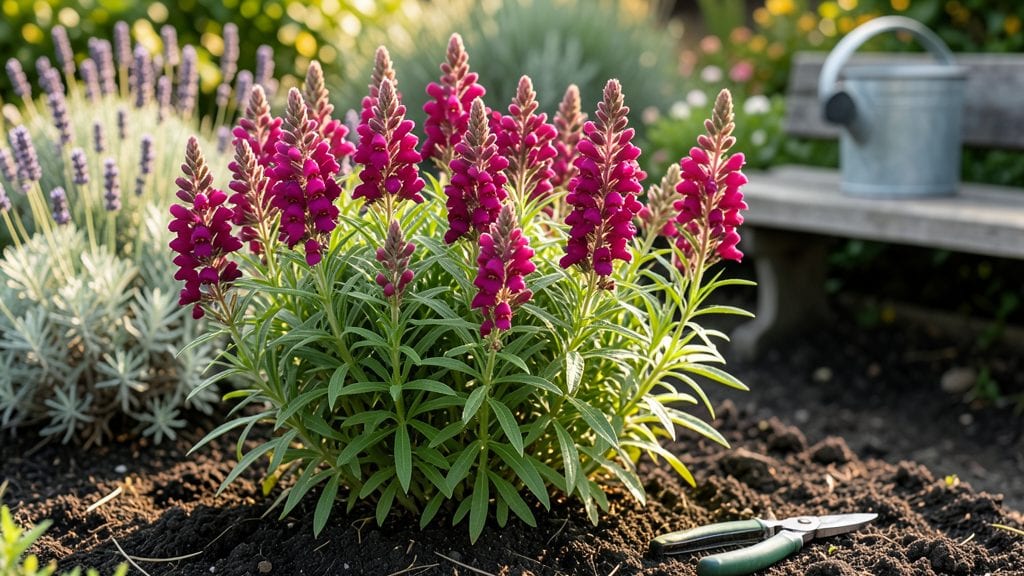
Tall snapdragon plants reach for the sky like nature’s own spires, their spiky blooms adding drama to any garden border. 🌿 I’ve grown them for years, and the secret to their sturdy stems and season-long blooms isn’t just luck—it’s a mix of smart spacing, consistent care, and a little pruning know-how.
The first time I saw my snapdragons towering over my tomato plants, I knew I’d cracked the code.
These plants thrive in full sun and well-draining soil, but the real magic happens when you give them room to stretch—12 to 18 inches apart in rows. Too crowded, and they’ll flop; too spaced out, and they’ll lean like drunkards.
Water deeply once a week, keeping the soil moist but never soggy, and watch those stems grow thick enough to support their own weight. A handful of balanced fertilizer at planting time sets them up for bold, vertical growth all season.
By midseason, you’ll be rewarded with tall, velvety spikes of blooms in every color imaginable, swaying gently in the breeze. The key to keeping them upright? A light trim after the first flush of flowers—snip just above a set of leaves to encourage bushier growth and prevent flopping.
And if you’re worried about leggy stems, start seeds indoors 8 to 10 weeks before your last frost for stockier plants that hit the ground running.
Works in borders, containers, or even as cut flowers—just stake them if they get too top-heavy. Here’s how to grow snapdragons that stand tall and proud, no matter what Mother Nature throws their way.
📚 In This Guide
- What you need
- Instructions
- Tips and common mistakes
- Wrapping up and next steps
What you need
- ● Snapdragon seeds: Choose tall varieties like 'Monarch Mixed' or 'Black Prince' (0.5–1 lb packet, ~500–1,000 seeds).
- ● Seed-starting mix: 1–2 cubic feet of sterile, well-draining potting soil (e.g., Pro-Mix or Miracle-Gro).
- ● Containers: Seed trays with cells (50+ cells) or
- ● Individual pots (3–4" diameter, 12–24 units).
- ● Grow lights or sunny windowsill: 12–16 hours of light daily (LED grow lights work great!).
- ● Fertilizer: Balanced liquid fertilizer (10-10-10 or 5-5-5, diluted to half-strength).
- ● Stakes or cages: 18–24" tall bamboo stakes or tomato cages (1–2 per plant for support).
- ● Hand trowel (for transplanting).
- ● Spray bottle (for gentle watering).
- ● Pruning shears (sharp, for deadheading).
- ○ Garden gloves (optional but handy!).
- ● Outdoor space: Full sun (6+ hours/day) or partial shade (4–6 hours). Well-drained soil (amend with compost if needed).
- ● Mulch (to retain moisture and suppress weeds).
- ● Epsom salt (1 tbsp per gallon of water for magnesium boost).
- ● Self-watering planters (for consistent hydration).
- ● Plant markers (to track varieties).
How to grow sturdy tall snapdragon plants
Here's the simple method I use to grow snapdragons that stand tall and proud all season.
🌱 Step 1: Choose the Right Variety and Planting Time
Select tall snapdragon varieties like 'Black Knight' or 'Rocket Series' for dramatic height. These reach 3-5 feet and thrive with proper support. Plant seeds 6-8 weeks before your last frost date—earlier in cooler climates, slightly later in warm zones. Snapdragons need time to establish strong roots before summer heat arrives.
I always start seeds indoors under grow lights because direct outdoor planting often results in leggy, weak stems. Use biodegradable seedling pots to avoid disturbing roots later. Keep the soil temperature at 65-75°F for best germination, which typically takes 7-14 days. If your home is cooler, place pots on a seedling heat mat.
💧 Step 2: Transplant Seedlings with Care
Once seedlings develop 2-3 sets of true leaves (about 4-6 weeks after sowing), they're ready to move outdoors. Harden them off by placing them outside for 1-2 hours daily over 7-10 days, gradually increasing exposure. This toughens stems so they don't snap when fully transplanted.
Choose a sunny spot with full sun (6+ hours daily) and well-draining soil. Snapdragons hate soggy roots, so amend heavy soil with 2-3 inches of compost to improve drainage. Space plants 12-18 inches apart—closer spacing encourages leaning stems, while wider spacing gives them room to grow upright. Plant in the late afternoon to reduce transplant shock.
☀️ Step 3: Provide Support and Consistent Care
Tall snapdragons need sturdy support to prevent flopping. I use 5-foot bamboo stakes placed 2 inches from each plant at transplanting. Gently tie stems to the stake with soft plant ties as they grow, adjusting every 2-3 weeks to avoid restricting growth. Avoid wire ties—they can cut into stems as plants thicken.
Water deeply once a week, aiming for 1 inch of water per week. Snapdragons are drought-tolerant once established, but wilting flowers mean they need more water. Mulch around plants with 2-3 inches of organic mulch to retain moisture and suppress weeds. Fertilize lightly with a balanced 10-10-10 fertilizer every 4-6 weeks—too much nitrogen makes stems weak and floppy.
✂️ Step 4: Deadhead and Maintain for Long Blooms
Deadheading spent blooms encourages more flowers and extends the season. Simply pinch off wilted flower spikes at the base with your fingers or clean pruners. I do this every 2-3 days during peak bloom to keep plants looking tidy and productive. Avoid cutting into the stem—just remove the flower head entirely.
Snapdragons bloom best in cool weather, so they often fade in mid-summer heat. To revive them, trim back 1/3 of the plant height after flowering slows. This encourages new growth and often produces a second flush of blooms in fall. Stop fertilizing after mid-summer to avoid soft, weak new growth that can't handle late-season stress.
⏰ Step 5: Prepare for Winter and Next Season
In USDA Zones 3-8, snapdragons are annuals, but they self-seed prolifically. Let a few plants go to seed in fall—they'll sprout fresh plants next spring. In colder zones, collect seeds from mature pods (they turn brown and papery) and store them in a cool, dry place for next year.
After the first frost, cut back stems to 2 inches tall and compost the debris. This prevents disease buildup in the soil. Mark the spot—next year, you'll have fewer seedlings to thin and stronger plants that bloom earlier. I always save seeds from my best-performing varieties to ensure consistent height and color in future gardens.
Tips & tricks for growing sturdy snapdragons
Here's what I've learned after years of growing snapdragons that stay tall and elegant all season long.
Seed Starting Temperature: Maintaining that 65-75°F soil temperature is crucial for germination. I use a seedling heat mat during cool months, and it makes all the difference. If your home runs cooler, place the seed trays on top of the fridge or near a sunny window. Just watch for condensation on the plastic—this means it's too warm and seeds might rot.
Harden Off Gradually: The 7-10 day hardening process in Step 2 is where many gardeners rush. I start with just 1 hour on day one, then add 30 minutes each day. This gradual exposure toughens stems so they don't snap when fully transplanted. On windy days, bring them back inside—you want them hardened, not battered.
Support System Secret: Those 5-foot bamboo stakes need to be placed at transplanting, not after plants get lanky. I drive them in 2 inches away from the stem and use soft velcro ties that won't cut into the growing plant. Check ties every 2-3 weeks—if they're too tight, the stem will girdle and weaken.
Watering Wisdom: The 1 inch per week guideline works for most climates, but check soil moisture before watering. Stick your finger 1 inch deep—if it's dry, water deeply. Snapdragons hate soggy roots, so always water at the base rather than overhead. Mulching with 2-3 inches of organic material helps maintain even moisture and prevents weeds from competing.
Pro Tips for Tall Snapdragon Plants
- Here's what I've learned after years of growing snapdragons that stay tall and elegant all season long.
- Seed Starting Temperature: Maintaining that 65-75°F soil temperature is crucial for germination.
- Harden Off Gradually: The 7-10 day hardening process in Step 2 is where many gardeners rush.
Frequently asked questions
How do I keep tall snapdragon stems from flopping over?
Snapdragons naturally lean, but you can prevent flopping with simple support. Use bamboo stakes, tomato cages, or small trellises to gently guide stems as they grow. For extra stability, tie stems loosely with soft plant ties (avoid tight knots, which can damage stems). Deadheading spent blooms also encourages stronger, straighter growth.
When should I plant tall snapdragons for the longest blooms?
For season-long color, plant in early spring (2–3 weeks before last frost) and again in late summer (6–8 weeks before first frost). Snapdragons thrive in cool weather and bolt (go to seed) in heat, so avoid planting when temps exceed 75°F (24°C). Succession planting in 3-week intervals keeps blooms fresh.
Can I grow tall snapdragons in containers?
Choose deep containers (12+ inches) with drainage holes and a well-draining potting mix. Dwarf varieties (like ‘Black Knight’ or ‘Matrix’) work best in smaller pots, while tall types (e.g., ‘Rocket Series’) need sturdy stakes or cages. Place containers in partial shade to prevent leggy growth, and fertilize lightly every 2 weeks with a balanced formula.
Why are my tall snapdragons attracting pests like aphids or slugs?
Snapdragons are pest magnets, but don’t worry—it’s fixable! Aphids? Spray with soapy water or introduce ladybugs. Slugs/snails? Set out beer traps or copper barriers. For prevention, water at the base (not overhead) and remove debris where pests hide. Healthy plants with good airflow resist infestations better.
Are there tall snapdragons that bloom in colors other than pink or red?
Yes! Modern hybrids come in vibrant hues, including purple (‘Hot Pink’), yellow (‘Lemon Yellow’), white (‘Alba’), and even bicolor (‘Peach Melba’). For unusual heights, try ‘Rocket Series’ (up to 48 inches) or ‘Monarch’ (36–48 inches). Mix colors for a stunning vertical garden—just ensure they get 6+ hours of sun for best blooms.
Wrapping up and next steps
Growing tall snapdragons isn’t just about adding vertical charm to your garden—it’s about embracing patience, care, and a little creativity. With the right soil, support, and pruning, these elegant blooms will reward you with season-long beauty and even the chance to share cut flowers or seeds. 🌸
Now that you’re equipped with the know-how, roll up your sleeves and get planting! Start small—whether it’s a single pot or a patch in your garden—and watch your snapdragons reach for the sky. Happy gardening! 🌱