How To
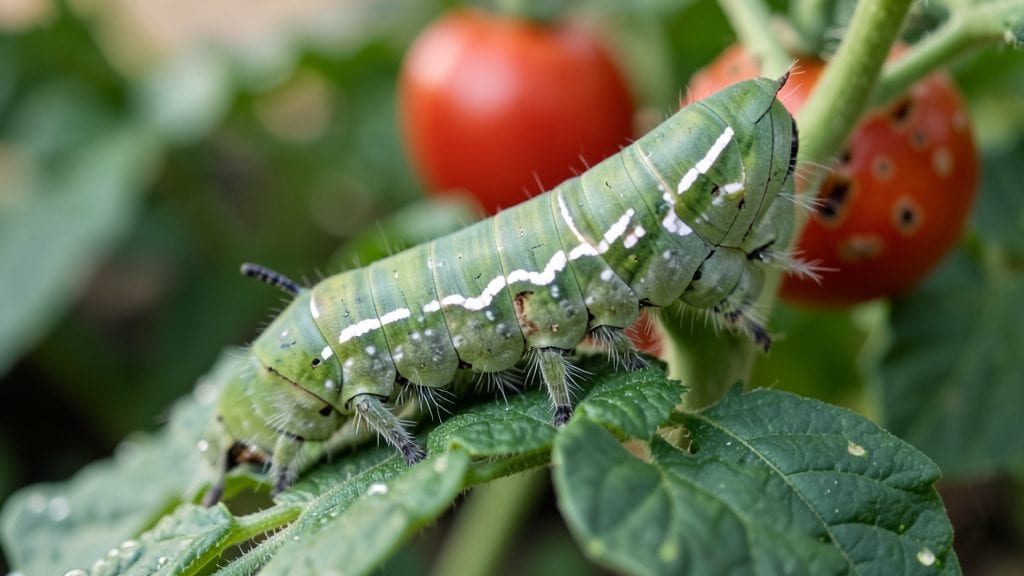
Getting rid of worms on tomato plants starts with knowing your enemy—whether it's the striped cutworms lurking at soil level or the hornworms devouring leaves overnight. I’ve seen entire tomato plants skeletonized in 24 hours, and the key to stopping them is acting fast with the right traps and barriers.
The good news? You don’t need harsh chemicals to win this battle—just a few simple, targeted tricks that work even on organic gardens.
Most gardeners miss the early signs: chewed leaves with clean edges, missing stems, or silvery slime trails at dawn. I learned the hard way—my first year, I ignored the half-eaten foliage until my plants were already struggling.
Now, I check for these clues every morning and set out DIY beer traps or collars made from cardboard to block cutworms before they strike. For hornworms, a quick handpick (yes, really) or a splash of neem oil does the trick without harming bees.
By evening, you’ll see a noticeable difference—fewer holes in the leaves, fewer missing stems, and plants that start recovering their vigor. The secret isn’t just removing the worms but breaking their life cycle.
I’ve had zero damage in my garden since I started combining traps with row covers at night. Plus, your tomatoes will taste sweeter when they’re not being stressed by pests.
This method works for container gardens, raised beds, and in-ground plots—no matter your setup. The tools you need are already in your kitchen or garden shed. Let’s get those plants back to thriving before the worms take over again.
Root Causes Of Tomato Worms
Worms—whether they’re the squiggly larvae of moths or the burrowing grubs of beetles—don’t just appear on tomato plants out of nowhere. They’re usually the result of a mix of environmental conditions, poor garden hygiene, and the plant’s natural appeal as a buffet for pests.
Understanding why these critters show up is the first step to kicking them to the curb. Let’s break down the key factors that turn your tomato patch into a worm paradise.
Tomato plants that are crammed too close together or struggling to thrive become prime targets for worms. Here’s why:
- Weakened defenses: When plants compete for sunlight, water, and nutrients, their immune systems weaken. Worms like Manduca sexta (tomato hornworms) and Spodoptera exigua (beet armyworms) zero in on stressed plants because they’re easier to eat and less likely to produce bitter compounds that deter pests.
- Moisture buildup: Overcrowding traps humidity near the soil and foliage, creating the perfect damp, shady conditions that worm eggs and larvae love. Think of it like a worm’s spa—warm, moist, and cozy.
- Slow growth = more vulnerability: Stunted or slow-growing tomatoes have tender new leaves and stems, which are a worm’s dream snack. Fast-growing, healthy plants, on the other hand, can outpace infestations before they take hold.
Actionable fix: Space tomato plants 18–24 inches apart (or as recommended for your variety) and prune lower leaves to improve airflow. This reduces stress and makes your plants less appealing to hungry worms.
Most tomato worms start their lives as tiny eggs laid by adult moths. If these eggs survive until hatching, you’ve got an infestation on your hands. Here’s how it happens:
- Undisturbed soil: Many worm species, like the Heliothis zea (corn earworm), lay eggs directly on leaves or in soil cracks. If you haven’t tilled or turned the soil recently, eggs from last season (or even earlier) may still be lurking, waiting for the right conditions to hatch.
- Old plant debris: Leaving behind tomato stems, leaves, or weeds in your garden provides shelter for overwintering moths. These pests emerge in spring, ready to lay eggs on fresh tomato plants.
- Nearby crops: Worms don’t discriminate—they’ll munch on peppers, eggplants, and even potatoes. If these plants are nearby, adult moths will treat your tomatoes like an all-you-can-eat buffet.
Actionable fix: Clear out old plant debris at the end of the season and avoid planting tomatoes in the same spot year after year (crop rotation helps!). If you notice moths fluttering around your garden, act fast—eggs can hatch in as little as 3–5 days.
Worms thrive in gardens that are messy, neglected, or lacking balance. Here’s how sloppy habits attract them:
- Fertilizer overload: Too much nitrogen-rich fertilizer (like fresh manure or synthetic blends) can make tomato leaves softer and more palatable to worms. It also attracts slugs and other pests that worms’ predators might avoid.
- Lack of beneficial predators: Gardens with no ladybugs, lacewings, or parasitic wasps give worms free rein. These natural enemies need diverse plantings (like marigolds, basil, or dill) to stick around.
- Monoculture planting: Growing only tomatoes (or other nightshades) in a row creates a worm magnet. Without diversity, pests have no reason to leave—and their predators have nowhere to go.
Actionable fix: Use balanced, slow-release fertilizers and interplant tomatoes with herbs or flowers that attract predator insects. Avoid tilling excessively, as it can destroy beneficial soil organisms that keep worm populations in check.
Worms aren’t just a summer nuisance—they’re a heat-loving nuisance. Here’s how climate plays a role:
- Fast reproduction: Warm temperatures (above 75°F) accelerate the life cycle of moths and worms. Eggs hatch quicker, larvae grow faster, and adults emerge sooner to lay more eggs. In ideal conditions, a single female moth can produce 2,000–3,000 eggs in her lifetime.
- Humidity boosts survival: High moisture levels keep worm eggs from drying out and help larvae stay hydrated. This is why infestations often spike after heavy rains or in greenhouses with poor ventilation.
- Longer growing season = more time for damage: In warm climates, tomato plants stay vulnerable for months, giving worms plenty of time to munch, grow, and multiply.
Actionable fix: Monitor weather forecasts and act preemptively during heatwaves. Use row covers early in the season to block moths from laying eggs, and ensure good airflow around plants to reduce humidity.
Now that you know why worms crash your tomato party, the next step is how to evict them for good. The good news? Many of these causes can be prevented—or at least minimized—with a few smart garden strategies.
Quick Fixes for Worm-Infested Tomatoes
Worms on your tomato plants can feel like a nightmare, but don’t worry—there are fast, natural, and effective solutions to evict these pests and protect your harvest. Below, we’ve mapped out cause-specific fixes so you can tackle the problem head-on, whether it’s cutworms, hornworms, or root-knot nematodes.
Plus, we’ll share prevention tips to keep your plants worm-free for good.
Cause: These sneaky larvae (often from moths) chew through stems at night, toppling young plants.
How to Fix It: 🔪 Cutworm Collars – Wrap the base of seedlings with cardboard, foil, or plastic collars (bury 1–2 inches deep). Cutworms can’t climb these barriers! 🍳 Beer Trap – Bury a shallow container (like a tin can) filled with beer or yeast water near plants. Cutworms are drawn in and drown—gross but effective! 👨🍳 Handpick at Dusk – Shine a flashlight around plants after sunset. Cutworms hide in soil or under leaves—squish or drop them in soapy water. ⏰ Neem Oil Spray – Mix 1 tsp neem oil + 1 tsp mild soap in 1 quart water, spray on leaves (reapply every 3–5 days). Disrupts their life cycle.
💡 Pro Tip: Plant marigolds nearby—their strong scent repels cutworm moths!
Cause: These large, striped caterpillars (tomato or tobacco hornworms) can eat entire leaves overnight.
How to Fix It: 👨🍳 Manual Removal – Wear gloves and pluck them off by hand (they’re gross but harmless to humans). Drop them in soapy water or birdseed (birds love them!). 🔪 Bacillus Thuringiensis (Bt) – A natural bacterial spray (like Xentari) that kills hornworms when they eat it. Safe for bees and pets! 🌡️ Encourage Predators – Ladybugs, lacewings, and parasitic wasps eat hornworm eggs. Plant dill, fennel, or parsley to attract them. 🎯 Row Covers – Use floating row covers (lightweight fabric) to block moths from laying eggs in the first place.
💡 Pro Tip: Check undersides of leaves—hornworms camouflage well!
Cause: Microscopic soil-dwelling worms that stunt growth by feeding on roots, causing galls (lumpy roots).
How to Fix It: 🌱 Crop Rotation – Avoid planting tomatoes, peppers, or eggplants in the same spot for 3–4 years. Nematodes can’t survive without their host. 💧 Solarization – On a hot, sunny day, cover moist soil with clear plastic for 4–6 weeks. The heat kills nematodes (works best in summer). 🥗 Marigold Interplanting – French marigolds release a compound that repels nematodes. Plant them between tomato rows. 🔥 Beneficial Nematodes – **Apply Steinernema feltiae (microscopic worms that eat root-knot nematodes). Follow package instructions for best results.
💡 Pro Tip: Test your soil before planting—many garden centers offer nematode testing kits.
Even after treating an infestation, prevention is key to avoid future worm attacks:
- 🌿 Healthy Soil = Strong Plants – Amend soil with compost and organic matter to boost plant resilience. - 🕳️ Mulch Strategically – Use straw or grass clippings (not wood chips) to smother cutworm eggs and retain moisture. - 🌙 Night Patrols – Check plants weekly at dusk for eggs or young larvae before they grow. - 🚫 Avoid Overwatering – Wet soil attracts cutworms and nematodes.
Water at the base (not overhead) to keep foliage dry. - 🐦 Bird & Bat Houses – Install bat boxes (bats eat hornworms!) or bird feeders to attract natural pest controllers.
Final Thought: Worms may seem like a lost cause, but with targeted action, you can save your tomato plants in 24 hours or less. Start with manual removal or traps, then strengthen defenses** for long-term protection. Happy gardening! 🍅✨
Frequently asked questions
What’s the fastest way to stop cutworms from damaging my seedlings?
Use cardboard collars around stems—bury them 1–2 inches deep so cutworms can’t climb. For immediate results, set up a beer trap (bury a shallow container filled with beer near plants). Cutworms drown within 24 hours and won’t return if you remove the trap afterward.
Are hornworms actually harmful to tomato plants?
Yes! A single hornworm can defoliate a plant in 2–3 days. While they’re harmless to humans, they weaken plants by stripping leaves, reducing photosynthesis. Remove them by hand (drop in soapy water) or use Bacillus thuringiensis (Bt) spray, which kills them without harming bees or beneficial insects.
How do I know if my tomato plants have root-knot nematodes?
Check roots for small, knot-like galls (swollen areas). Stunted growth, yellowing leaves, and poor fruit production are other signs. Test soil with a nematode testing kit from garden centers. If confirmed, apply beneficial nematodes (Steinernema feltiae) or practice crop rotation.
Can I use chemical pesticides safely on tomato plants?
Only as a last resort! Most chemical pesticides harm beneficial insects and leave residues on edible fruit. Stick to neem oil, Bt, or insecticidal soap first. If you must use chemicals, opt for spinosad (derived from soil bacteria) and harvest tomatoes 3 days after application to minimize residue.
Why do worms keep coming back even after I treat them?
New eggs may hatch from undetected adults or soil-dwelling larvae. Break the cycle by removing all plant debris, using row covers early in the season, and planting marigolds or basil to repel moths. Consistency is key—check plants daily at dawn/dusk for fresh eggs or larvae.