
Pests
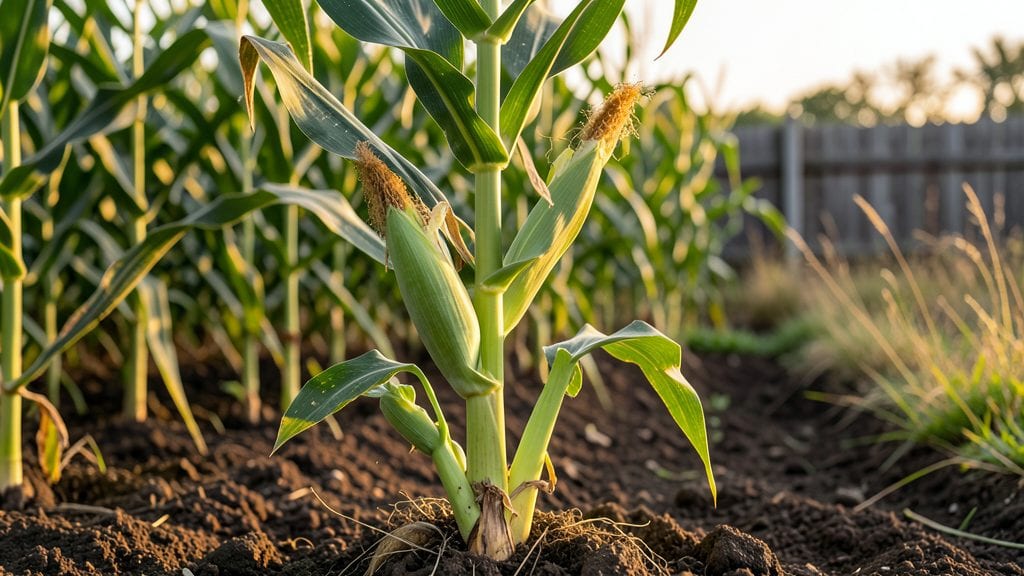
When suckers on corn plants start popping up like weeds, it’s easy to panic and yank them out—but that’s exactly what weakens your harvest. ✨ I’ve wrestled with these little side shoots for years, and the key is removing them strategically so your main stalk stays strong.
The first time I saw a corn plant with a dozen suckers, I nearly pulled the whole thing out in frustration. Now I know better: these side shoots drain energy from your ears, but you can stop them without harming the plant.
These suckers form when the corn plant puts out extra growth from the lower stem, usually after heavy rain or when the soil stays too damp. They’re not pests—they’re your plant’s way of trying to spread, but at the wrong time.
The good news? You can snip them off cleanly with pruners or even your fingers, just above a leaf node, without damaging the main stalk. I’ve seen gardeners swear by this method, and their corn still grows tall and productive.
What you’ll end up with is a corn plant focused on filling those big ears instead of feeding unnecessary side growth. The ears stay plump, the stalks stay sturdy, and you avoid the heartbreak of small, shrunken corn later in the season.
Plus, preventing suckers means fewer weeds and less competition for nutrients in your garden beds.
This works whether you’re growing in backyard rows, raised beds, or even large containers. The trick is consistency—check your plants every few days after they reach knee-high, and you’ll keep those suckers in check without stressing your main crop. Let’s get those plants back on track!
Root Causes of Corn Suckers
If you’ve noticed unwanted shoots sprouting at the base of your corn plants—known as "suckers"—you’re not alone. These extra stems can drain energy from your main plant, but understanding why they form is the first step to managing them effectively.
Below, we break down the science behind this common issue and what triggers these pesky growths.
Corn plants produce suckers primarily as a survival response to stress. When the main stalk is damaged—whether by mechanical injury (like rough handling during planting or weeding), herbicide drift, or even compaction from heavy equipment—the plant releases auxin, a natural growth hormone.
Auxin triggers dormant buds at the base to sprout new stems, hoping to compensate for lost vigor.
💡 Pro Tip: Avoid deep cultivation or tillage near corn rows, as this can wound roots and signal the plant to produce more suckers. Use precision planting techniques (like proper seed depth and spacing) to minimize early stress.
Corn thrives in space, and when plants are too close together, they compete aggressively for sunlight, water, and nutrients. This competition disrupts the plant’s energy allocation, leading to lateral bud activation—the same mechanism that produces suckers. Overcrowding often happens due to:
- Improper spacing at planting (e.g., seeding too densely).
- Poor thinning after germination, leaving weak seedlings in place.
- Weed pressure that smothers young corn, forcing it to divert energy to side shoots.
📊 Data Point: Studies show that corn planted at 30,000–38,000 plants per acre (depending on variety) yields the best results with minimal sucker formation. Crowding beyond this range triggers stress responses.
Corn plants are heavy feeders, and when they don’t get enough of the right nutrients—or suffer from water stress—they may produce suckers as a last-ditch effort to sustain growth. Key triggers include:
- Nitrogen deficiency: While nitrogen is essential for stalk strength, excessive nitrogen (especially late in the season) can overstimulate growth, leading to weak, sucker-prone plants.
- Phosphorus or potassium shortages: These nutrients support root and stalk development. Without them, the plant may redirect energy to side shoots.
- Drought or flooding: Both extremes disrupt root function, sending stress signals that activate dormant buds.
✨ Solution: Conduct a soil test before planting and adjust fertility accordingly. For drought-prone areas, use mulch or drip irrigation to maintain moisture consistency.
Not all corn is equal when it comes to sucker production. Some hybrids—particularly older or heirloom varieties—are genetically more prone to producing suckers because they retain wild-type traits (e.g., Zea mays subspecies like indurata or everta), which prioritize survival over single-stalk growth.
🔥 Actionable Tip: If suckers are a recurring issue, opt for modern, high-yield hybrids bred for single-stalk dominance. Check seed catalogs for varieties labeled as "sucker-resistant" or "determinate."
Understanding these causes helps you prevent suckers before they start—or at least manage them without harming your corn’s productivity. Next, we’ll explore humane removal methods that keep your plants healthy and thriving.
Practical fixes for corn plant growth
Removing unwanted suckers from corn plants doesn’t have to be a battle—with the right approach, you can protect your crop while keeping the plant healthy. Below are targeted solutions based on the most common causes, along with preventive tips to keep your corn thriving.
If suckers are popping up due to overcrowded corn plants, thinning is your best friend. Too many stalks compete for nutrients, leading to weak growth and more suckers.
How to Fix It: 🔥 Step 1: Wait for the Right Time
- Remove suckers 2–3 weeks after germination, when they’re still small (3–6 inches tall). This minimizes stress on the main stalk.
👨🍳 Step 2: Use the Right Tools
- Snip suckers at the base with clean, sharp pruners or your fingers (if they’re tiny). Avoid tearing—this can damage the main stalk.
🌡️ Step 3: Keep the Strongest Stalks
- Leave 1–2 healthy, dominant stalks per plant (if growing for sweet corn) or 3–4 for field corn. Weak or diseased stalks should go.
💡 Pro Tip: If you’re unsure which stalk is strongest, pull gently—the one that resists slightly is usually the winner.
If pests (like corn earworms or aphids) or diseases (like fungal infections) are causing suckers, strengthening the plant’s defenses is key.
How to Fix It: 🔥 Step 1: Identify the Culprit
- Check for chewed leaves, sticky residue (aphids), or discolored spots. Common pests include corn rootworms, cutworms, and spider mites.
🍳 Step 2: Apply Organic or Chemical Controls - For pests: Use neem oil, insecticidal soap, or Bacillus thuringiensis (Bt) for organic control.
For severe infestations, pyrethrin-based sprays work fast. - For diseases: Remove infected leaves/debris and apply copper fungicide or baking soda spray (1 tbsp baking soda + 1 gallon water + a drop of dish soap).
🌡️ Step 3: Improve Soil & Watering
- Fertilize with balanced NPK (10-10-10) to boost root health.
- Water deeply but less frequently to prevent fungal growth. Avoid overhead watering in the evening.
💡 Pro Tip: Companion planting with marigolds or basil can deter pests naturally.
If suckers appear due to nitrogen or potassium deficiencies, a quick nutrient boost can stop the cycle.
How to Fix It: 🔥 Step 1: Test Your Soil
- A simple soil test kit (available at garden centers) can reveal deficiencies. Corn loves nitrogen (N) for leaves and potassium (K) for roots.
🍳 Step 2: Apply the Right Fertilizer
- For nitrogen: Use blood meal or fish emulsion (high in N).
- For potassium: Try greensand or wood ash.
- For a quick fix: Mix 1 tbsp Epsom salt (magnesium sulfate) in a gallon of water and spray on leaves.
🌡️ Step 3: Mulch for Slow-Release Nutrients
- Straw or grass clippings help retain moisture and slowly release nutrients.
💡 Pro Tip: Avoid over-fertilizing—too much nitrogen can lead to leafy growth but few ears.
Once you’ve tackled the suckers, keep them from coming back with these long-term strategies:
✨ Choose the Right Variety – Some corn types (like ‘Silver Queen’ or ‘Peaches and Cream’) are less prone to suckers. ✨ Plant Spacing Matters – Follow seed packet guidelines (usually 12–18 inches apart for sweet corn). ✨ Rotate Crops – Avoid planting corn in the same spot yearly to prevent soil-borne diseases. ✨ Monitor Early – Weekly checks in early growth stages catch suckers before they spread. ✨ Use Row Covers – Floating row covers can deter pests that trigger sucker growth.
By addressing the root cause—whether it’s overcrowding, pests, or poor nutrition—you’ll minimize suckers and maximize ear production. Happy gardening! 🌽✨
Frequently asked questions
What exactly are suckers on corn plants?
Suckers are small side shoots that grow from the base or lower stem of corn plants. They're the plant's way of producing extra stalks when stressed, but they compete with your main corn stalk for nutrients and water. These unwanted shoots can reduce ear size and overall yield if left unchecked. Think of them like weeds growing from your corn's own stem!
Will removing suckers hurt my corn plants?
Not if done correctly! The key is to remove suckers cleanly at the base using sharp pruners or your fingers. Avoid tearing the main stalk, which can cause more stress. When done properly, removing suckers actually helps your corn focus energy on producing larger, healthier ears. Just be gentle and remove them early when they're small.
How often should I check for suckers on my corn?
Start checking your corn plants 2-3 weeks after germination when they reach about knee-high. After that, monitor them every 5-7 days during the early growth stages. Regular checks help you catch suckers before they become established and drain your plant's energy. Make it part of your weekly garden routine!
Can I save suckers to replant elsewhere?
While you can technically replant suckers, it's not recommended for several reasons. First, suckers are often weaker than main stalks. Second, they may carry diseases or pests from the original plant. Third, corn varieties bred for single-stalk growth may not produce true-to-type plants from suckers. It's better to save seeds from your best ears or purchase fresh seed for next season.
What's the best time of day to remove suckers?
Early morning is ideal for removing suckers as the plants are well-hydrated and less stressed. This timing helps prevent shock to your corn plants. Avoid removing suckers during hot afternoons when plants are already under water stress. If you must remove them later in the day, water your plants thoroughly afterward to help them recover.