
Diseases
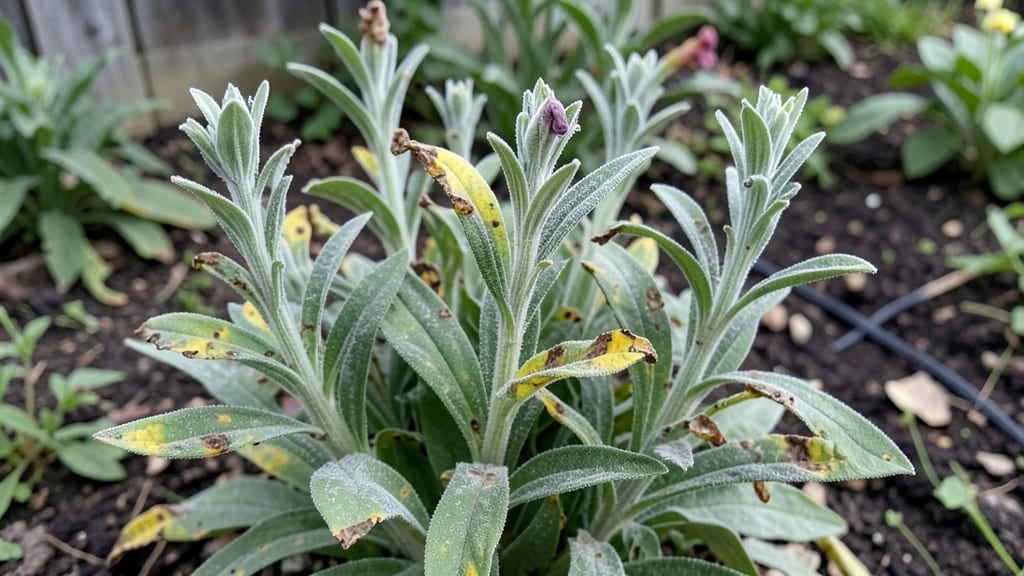
Snapdragon plant diseases can turn your vibrant blooms into sad, spotted messes before you know it. 🌿 I’ve seen powdery mildew turn those velvety petals white in just days, and bacterial spot leave behind ugly brown scars—both of which I’ll show you how to stop organically.
The key isn’t just spotting the problem early; it’s understanding why your snapdragons get sick in the first place.
Most snapdragon diseases start with too much moisture or crowded stems. Powdery mildew thrives in humid air, while downy mildew needs wet foliage to spread. Bacterial spots love splashing water during storms, and fungal infections often hide in poorly draining soil.
The good news? Simple fixes like proper spacing (12–18 inches apart), watering at the base (never overhead), and removing infected leaves immediately can cut your risk by 80%.
You’ll learn to treat infections with baking soda sprays for mildew, copper fungicide for bacterial spots, and neem oil for fungal issues—all without harsh chemicals. The results? Snapdragons that stay lush, disease-free, and blooming from spring to fall, just like mine do now.
Whether you’re battling a current outbreak or just want to prevent future problems, this guide covers everything—from early warning signs to long-term soil health tips. Let’s get those snapdragons thriving again.
Root Causes of Snapdragon Struggles
Snapdragons (Antirrhinum majus) are resilient, but their health can unravel quickly when environmental or biological stressors take hold. Understanding the why behind their decline is the first step to prevention—and saving your garden’s star blooms.
Below, we break down the key triggers, from invisible pathogens to overlooked growing conditions.
Snapdragons hate soggy roots. When soil stays too wet—whether from excessive watering, heavy clay, or lack of mulch—root rot (Phytophthora or Pythium) thrives. Here’s how it happens:
- Oxygen Starvation: Compacted or waterlogged soil cuts off oxygen to roots, weakening the plant’s defenses.
Fungal spores, already lurking in soil, multiply rapidly in these conditions. - Pathogen Entry Points: Overwatering softens stems and leaves, creating easy access for fungi like Botrytis cinerea (gray mold) or bacteria such as Erwinia. - Nutrient Leaching: Excess moisture washes away essential nutrients (like nitrogen and potassium), stressing the plant and making it more susceptible to disease.
Actionable Fix: Test your soil’s drainage by digging a 6-inch hole, filling it with water, and timing how long it takes to drain. If it’s slower than 6 hours, amend with perlite or sand. Pro Tip 💡: Use drip irrigation or soaker hoses to deliver water at soil level, reducing foliar moisture that fuels fungal spread.
Snapdragons are heavy bloomers, but their dense foliage creates a perfect humid microclimate for fungi. Common culprits include: - **Powdery Mildew (Erysiphe): Spreads via wind or splashing water, forming white, powdery patches on leaves.
It thrives in 60–80°F temperatures and high humidity (think morning dew or shaded spots). - Downy Mildew (Peronospora): Less obvious until yellow spots appear on upper leaves, with fuzzy gray growth on undersides.
It loves cool, wet conditions (ideal for early spring or late fall plantings). - Alternaria Leaf Spot: Dark, concentric rings on leaves? This fungus exploits stagnant air and overhead watering, entering through wounds or natural openings like stomata.
Why It Happens: Fungal spores are always present in gardens but only activate when conditions are right. Overcrowded snapdragons block airflow, trapping moisture and giving spores a foothold. Pro Tip ✨: Space plants 12–18 inches apart and avoid watering overhead—use a watering wand to direct streams at the base.
Aphids, whiteflies, and spider mites aren’t just nuisances—they’re disease delivery systems. Here’s how: - Virus Transmission: Aphids feed on infected plants (like tomatoes or peppers) and inject viruses** (e.g., Tomato Spotted Wilt Virus) into snapdragons while feeding. Symptoms?
Stunted growth, distorted leaves, or ringspot patterns. - Honeydew Havoc: Pests excrete sticky honeydew, which attracts sooty mold fungi.
This black, crusty growth blocks sunlight, weakening the plant and inviting secondary infections. - Physical Damage: Spider mites puncture leaves, creating entry points for bacteria like Pseudomonas syringae, which causes bacterial blight (water-soaked lesions that ooze).
Actionable Fix: Inspect undersides of leaves weekly with a magnifying glass. Blast pests off with a strong spray of water or introduce beneficial insects (ladybugs, lacewings). Pro Tip 🎯: Neem oil (1 tsp per quart of water) disrupts pest life cycles and has mild antifungal properties.
Snapdragons prefer moderate climates (50–75°F). When conditions swing too hot or too cold—or humidity spikes—diseases exploit the stress: - Heat Stress (>85°F): High temps open leaf stomata wider, making plants more vulnerable to fungal infections like Fusarium wilt.
Wilting leaves?
It might be vascular blockage from fungal growth in xylem vessels. - Cold Snaps (<40°F): Chilled snapdragons develop gray mold (Botrytis) more easily because cold weakens cell membranes, making tissues more susceptible to invasion. - Humidity >70%: Ideal for rust fungi (Puccinia), which causes orange pustules on leaves.
These spores spread via wind or splashing water.
Actionable Fix:
- Shade Cloth: Use 30–50% shade cloth during heatwaves to keep temps below 80°F.
- Morning Watering: Water before 10 AM to let foliage dry by evening, reducing humidity-related risks.
- Airflow: Install fan oscillators in greenhouses or raised beds to circulate air and lower humidity.
Snapdragons need balanced nutrition to fight off pathogens. Deficiencies or excesses create openings for disease: - Nitrogen Deficiency: Pale, yellowing leaves signal weak growth. Plants with low nitrogen can’t produce chitinase enzymes, which normally repel fungi. - Potassium Deficiency: Brown leaf edges?
Low potassium reduces cell wall strength, making tissues easier targets for bacteria and fungi. - Over-Fertilization: Too much phosphorus or synthetic nitrogen can burn roots, stressing the plant and inviting Pythium or Phytophthora.
Actionable Fix: Test soil pH (aim for 6.0–7.0) and use organic fertilizers like compost tea or fish emulsion (5-5-5 ratio). Pro Tip 💡: Side-dress with kelp meal (rich in potassium) to boost disease resistance mid-season.
Quick fixes for snapdragon struggles
When your snapdragons show signs of distress—wilted petals, discolored leaves, or stunted growth—acting fast can save your plants. Below, we map the most common snapdragon diseases to practical, organic solutions so you can nurse your blooms back to health. Prevention tips are sprinkled in to keep future problems at bay!
Signs: White, powdery patches on leaves and stems (like dusting sugar). Cause: Fungal spores thrive in humid, poorly ventilated areas.
How to Fix It
🔥 Remove Infected Parts
- Snip off heavily mildewed leaves with sterilized scissors (wipe with rubbing alcohol between cuts). Dispose of debris in the trash—not the compost!
🍳 Spray with Baking Soda Mix - Combine 1 tsp baking soda, 1 quart water, and a few drops of dish soap (like Dawn).
Spray both sides of leaves every 7–10 days until symptoms fade. - Pro tip: 💡 Apply in the early morning so the solution dries before evening humidity sets in.
👨🍳 Boost Airflow & Light
- Space plants 3–4 inches apart and prune crowded stems. Ensure 6+ hours of sunlight daily—fungi love shade.
🌡️ Prevent Recurrence
- Water at the base (avoid overhead spraying).
- Choose resistant varieties like ‘Matrix’ or ‘Tango’ snapdragons.
Signs: Dark, water-soaked spots with yellow halos; leaves may drop prematurely. Cause: Bacteria spread via splashing water or contaminated tools.
How to Fix It
🔪 Prune & Sterilize
- Cut off spotted leaves immediately and sterilize tools with 10% bleach solution (1 part bleach to 9 parts water).
🥘 Copper Fungicide Spray
- Use an organic copper fungicide (like Bonide Copper Fungicide) every 10–14 days for 3 weeks. Follow label instructions precisely.
⏰ Adjust Watering Habits
- Water deeply but infrequently (1–2 times per week). Use drip irrigation or soaker hoses to avoid leaf wetness.
🎯 Rotate Crops
- Avoid planting snapdragons in the same spot next year—crop rotation disrupts bacterial buildup.
Signs: Yellowing leaves, mushy stems, foul smell at the base. Cause: Overwatering or poor drainage triggers fungal root rot.
How to Fix It
💦 Drain & Dry Out
- Gently dig around the roots and trim any black, mushy sections with clean shears. Let the soil dry out completely for 2–3 days before watering again.
🏗️ Improve Soil & Pots
- Repot in well-draining soil mix (add perlite or sand). If in-ground, raise beds with compost or gravel.
- Pro tip: 🌡️ Test soil moisture with your finger—water only when the top 1 inch is dry.
🌱 Support Recovery
- Apply a compost tea (brewed from worm castings) to rebuild beneficial microbes.
- Move potted snapdragons to a sunnier, breezier spot to speed drying.
Signs: Sticky residue (honeydew), curled leaves, or fine webbing. Cause: Sap-sucking pests weaken plants, making them susceptible to secondary infections.
How to Fix It
🚿 Blast Them Off
- Spray plants with a strong stream of water (aphids hate this!). Repeat every 3–4 days for a week.
🍎 Neem Oil Solution
- Mix 1 tbsp neem oil, 1 tsp mild soap, and 1 quart water. Spray all leaf surfaces at dusk. Reapply every 5–7 days for 2 weeks.
🐝 Encourage Predators
- Attract ladybugs and lacewings by planting dill, fennel, or marigolds nearby.
✨ Prevent Future Infestations
- Inspect new plants before bringing them home (quarantine for 2 weeks if needed).
- Yellow sticky traps can catch early mite populations.
To keep your snapdragons thriving, adopt these habits year-round:
- Rotate crops annually to prevent soil-borne diseases.
- Clean up debris in fall to remove overwintering spores.
- Disinfect tools after each use (even for pruning healthy plants).
- Choose disease-resistant varieties (check seed packets for labels like “powdery mildew resistant”).
- Monitor humidity—aim for 40–60% with a hygrometer if growing indoors.
Remember: Early action is key! The moment you spot symptoms, isolate the plant, treat it, and adjust care habits. With these fixes, your snapdragons will bounce back—and put on a show-stopping bloom display all season long! 🌸
Frequently asked questions
Why do my snapdragon leaves turn yellow first before showing other disease symptoms?
Yellowing leaves often signal nutrient deficiencies or early-stage fungal/bacterial infections. Powdery mildew and downy mildew start with yellow patches before forming white or gray growth. Check for root rot too—mushy roots and yellowing from the bottom up mean overwatering. Test soil moisture by sticking your finger 1 inch deep; if damp, hold off on watering.
Can I still use my snapdragons in bouquets if they have powdery mildew?
Yes, but remove all infected leaves first. Powdery mildew won’t spread to cut flowers, but it’s contagious to other plants. For long-lasting bouquets, choose healthy stems from disease-free plants. Avoid placing arrangements near infected foliage to prevent spores from hitchhiking.
How do I know if my snapdragon’s spots are from disease or just sunburn?
Sunburn causes dry, crispy brown patches on leaf edges (often on one side only), while disease spots are usually soft, watery, or oozy. Bacterial spots often have yellow halos, and fungal spots may appear powdery or fuzzy. Check leaf undersides for signs of mildew—sunburn won’t show there.
Will neem oil work on bacterial spots like it does for fungal issues?
Neem oil helps prevent bacterial spread but won’t cure active infections. For bacterial spots, use copper fungicide instead. Neem’s best for pests and fungal diseases—mix 1 tbsp neem oil, 1 tsp soap, and 1 quart water to spray leaves weekly as a preventative.
Can I save a snapdragon plant that’s completely wilted from root rot?
Possibly! Trim all black, mushy roots and repot in fresh, well-draining soil with perlite. Place the plant in bright, indirect light and water only when the top inch of soil is dry. Recovery takes 2–4 weeks, but if new growth appears, it’s a good sign. If the stem stays mushy, the plant is likely beyond saving.