
Planting
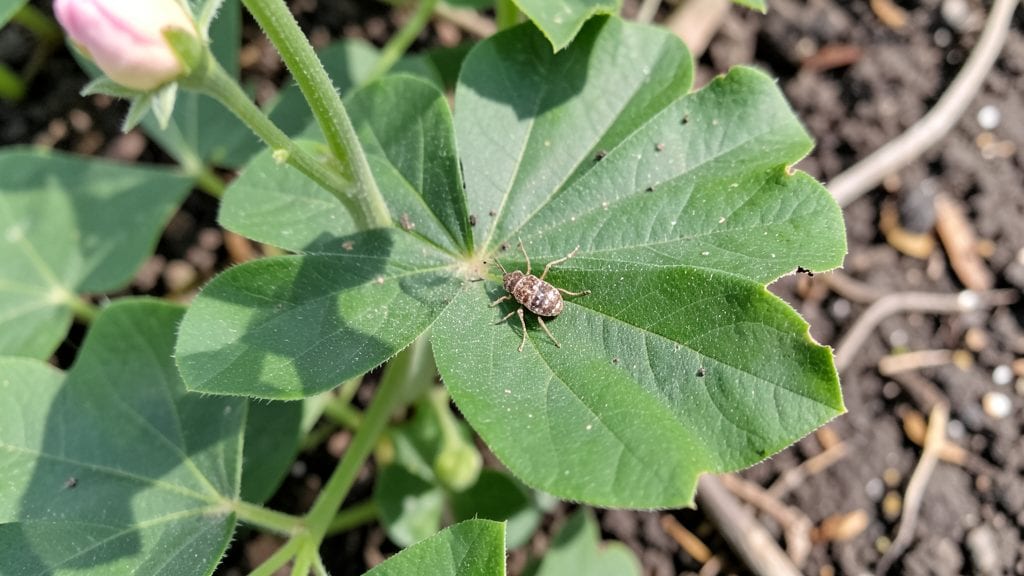
There’s nothing quite like watching a snake bean plant transform your garden—those vines shoot up in weeks, and you're harvesting tender pods before you know it. 🌱 I remember my first batch climbing a trellis in just 14 days. and by summer's end, I was snipping beans nearly every morning for stir-fries.
The key isn't some secret fertilizer; it's matching their love of heat, loose soil, and consistent moisture to your growing conditions.
These beans thrive in warm climates but can also handle short cool seasons if you start them indoors. You'll need a 5-foot trellis or sturdy fence for their vigorous growth, well-draining soil mixed with compost, and at least 6-8 hours of direct sun daily.
The real magic happens when you plant them after the last frost—roots establish quickly, and vines begin climbing within 7-10 days.
By midsummer, you'll have a continuous harvest of slender, stringless pods that taste best when picked young. The plants keep producing for months if you remove old pods regularly, and they even improve soil health by fixing nitrogen.
My neighbor thought I was cheating when she saw my beans—until I showed her how simple it really is.
Works beautifully in containers too if you give them enough vertical space. The only real challenge is keeping up with the harvest before pests or powdery mildew get a foothold—but we'll cover those fixes in the next section. Ready to grow your own fast, productive vines?
📚 In This Guide
- What you need
- Instructions
- Tips and common mistakes
- Wrapping up and next steps
What you need
- ● Snake Bean Seeds – 20–50 seeds (depending on desired yield; opt for heirloom varieties like ‘Black Valentine’ or ‘Scarlet Runner’ for vibrant vines).
- ● Well-draining potting mix – 10–15 lbs (4.5–7 kg) for containers or enrich garden soil with compost (aim for 6.0–7.0 pH).
- ● Containers or garden space – 5–6" deep pots (for climbing varieties) or a sunny garden bed (6+ hours of light daily).
- ● Trellis or support structure – 6–8 ft tall (e.g., bamboo stakes, netting, or a teepee frame for vining types).
- ● Hand trowel – For planting seeds 1–2" deep.
- ● Watering can or hose – Keep soil consistently moist (not soggy) until germination.
- ○ Fertilizer (optional) – Balanced 10-10-10 or compost tea to boost growth (apply every 4–6 weeks).
- ● Pruning shears – For trimming vines to encourage bushier growth.
- ○ Mulch (optional) – Straw or shredded leaves to retain moisture and suppress weeds.
How to grow snake beans for a fast, abundant harvest
Here's my go-to method for growing these vigorous vines—ready to pick in just 50-60 days.
🌱 Step 1: Choose the Right Spot and Prep Soil
Snake beans thrive in full sun, so pick a location that gets at least 6-8 hours of direct sunlight daily. They love warmth—wait until soil temperatures reach 65°F before planting, usually after the last frost date in your area. I test soil warmth by pressing my hand into the ground; if it feels comfortably warm to the touch, it's ready.
Loosen the top 6-8 inches of soil with a garden fork or tiller to help roots spread easily. Mix in a 2-3 inch layer of compost to enrich the soil—snake beans are heavy feeders and will reward you with more pods if the soil is nutrient-rich. Avoid heavy clay or waterlogged areas; these vines hate soggy roots.
🌱 Step 2: Plant Seeds at the Right Depth and Spacing
Plant seeds 1 inch deep and 4-6 inches apart in rows spaced 18-24 inches apart. Snake beans grow long, so give them room to sprawl. If you're growing them on a trellis or fence, plant seeds closer together—3-4 inches apart—to encourage vertical growth and save space.
I like to plant 2-3 seeds per hole and thin to the strongest seedling once they're 3-4 inches tall. This ensures you don't have gaps in your harvest later. Water gently after planting to settle the soil around the seeds, but don't soak them—overwatering can cause the seeds to rot before they sprout.
☀️ Step 3: Water Deeply and Keep Soil Evenly Moist
Snake beans need 1-1.5 inches of water per week, but they're drought-tolerant once established. Water deeply at the base of the plant—avoid wetting the leaves to prevent fungal diseases like rust. You'll know the soil is moist enough when the top 1-2 inches feel damp but not soggy.
During dry spells, I water in the early morning so the foliage has time to dry before evening. Mulch around the base with 2-3 inches of straw or grass clippings to retain moisture and keep weeds down. This also keeps the soil temperature stable, which is key for consistent pod production.
✂️ Step 4: Train Vines and Harvest Regularly
If you're growing snake beans on a trellis, gently guide the vines upward as they grow. Use soft plant ties or twine to secure them without damaging the stems. You'll see new tendrils every 7-10 days, so check your trellis weekly and adjust as needed.
Harvest begins when pods are 6-8 inches long and still tender. I pick every 2-3 days to encourage more production—snake beans produce continuously if you stay on top of harvesting. Use pruning shears or simply pinch pods off by hand. The more you harvest, the more your plants will reward you with fresh pods.
🌿 Step 5: Fertilize and Prune for Long-Term Growth
Feed plants with a balanced fertilizer (10-10-10) every 4-6 weeks to keep them productive. I mix a handful of fertilizer into the soil around the base, then water it in well. Avoid over-fertilizing with nitrogen—too much greenery means fewer pods. Look for yellowing leaves or stunted growth as signs you're overdoing it.
Remove any yellow or diseased leaves promptly to keep the plant healthy. If vines get too leggy or overcrowded, trim back some of the older growth to redirect energy to new pods. This keeps the plant focused on producing rather than just growing taller.
Tips & tricks for fast-growing snake bean vines
Between us, these simple tricks will help you skip the common pitfalls and get to that 50-60 day harvest faster than you'd expect.
Soil Temperature Secret: That 65°F soil temperature mark is non-negotiable for quick germination. I've learned the hard way—planting too early in cool soil means waiting weeks for those first sprouts. Use a soil thermometer if you're unsure, or stick your hand in the ground: if it feels warm to your touch (like a summer day), you're good to go.
Spacing Hack for Small Gardens: The 4-6 inch spacing between seeds might seem generous, but it pays off big time. If space is tight, plant seeds 3 inches apart when using a trellis—this vertical growth saves garden real estate while still giving roots room to breathe. Just be prepared to harvest more frequently to keep plants from getting crowded.
Watering Timing Tip: That 1-1.5 inches of water per week guideline assumes consistent rainfall. During dry spells, I water deeply every 2-3 days in the morning, letting the top 1-2 inches of soil dry slightly between waterings. This prevents root rot while keeping the soil moist enough for those fast-growing vines. The key is consistency—snake beans hate moisture swings.
Harvest Frequency Game-Changer: I know the instructions say to harvest every 2-3 days, but here's what nobody tells you—if you're really committed to maximum production, harvest every 48 hours during peak season. The plants respond by producing new flowers and pods continuously. Just be prepared for some early morning harvesting sessions!
Pro Tips for Snake Bean Plant
- Between us, these simple tricks will help you skip the common pitfalls and get to that 50-60 day harvest faster than you'd expect.
- Soil Temperature Secret: That 65°F soil temperature mark is non-negotiable for quick germination.
- Spacing Hack for Small Gardens: The 4-6 inch spacing between seeds might seem generous, but it pays off big time.
Frequently asked questions
Got questions about growing and harvesting snake bean plants? You’re not alone! Here are answers to the most common queries to help you grow these fast, nutritious vines with confidence.
How long does it take for snake beans to grow and produce pods?
Snake beans are fast growers! From seed to first harvest, expect 60–70 days in warm climates. In cooler areas, they may take slightly longer (70–85 days). Plant seeds in well-drained soil, and with consistent warmth (70°F+), you’ll see vines climb and pods form within 2–3 months.
Can snake beans grow in containers or small spaces?
Snake beans thrive in containers 12+ inches deep with trellises or stakes for support. Use a lightweight potting mix and place them in full sun. Just ensure your container has drainage holes—these vines hate soggy roots. Perfect for balconies, patios, or small gardens!
What pests or diseases commonly affect snake bean plants?
Watch for aphids, spider mites, and bean beetles, which love young leaves. Neem oil or insecticidal soap can help. Fungal issues like powdery mildew may appear in humid conditions—improve airflow and avoid overhead watering. Rotate crops yearly to prevent soil-borne diseases.
Do snake beans need a long growing season, or can they handle cooler weather?
Snake beans prefer warmth (60°F+) and struggle in frost. Start seeds after the last frost or use row covers for early spring. In hot climates, they’ll bolt quickly—harvest pods regularly to encourage more production. If temps drop below 50°F, protect plants with mulch or move containers indoors temporarily.
Are snake beans easy to cook, and how do they compare to other beans?
Yes! Snake beans have a mild, slightly sweet flavor and a tender texture when young. They’re lower in starch than kidney or black beans, making them great for stir-fries, salads, or sautéing. Pro tip: Blanch pods for 2–3 minutes to retain crispness. Try them in Asian-inspired dishes or as a nutritious side!
Wrapping up and next steps
Growing snake bean plants is a rewarding journey that delivers fresh, nutritious harvests with minimal effort—perfect for both beginners and seasoned gardeners! 🌱 With their fast growth, versatility, and ability to thrive in diverse climates, these vines are a fantastic addition to any garden or container setup.
Whether you're aiming for a bountiful harvest or simply adding greenery to your space, start small, stay consistent, and enjoy the process.
Ready to dive in? Plant your first seeds today! Grab your supplies, pick a sunny spot, and watch your garden transform into a thriving snake bean haven. Happy gardening! 🌿