
Planting
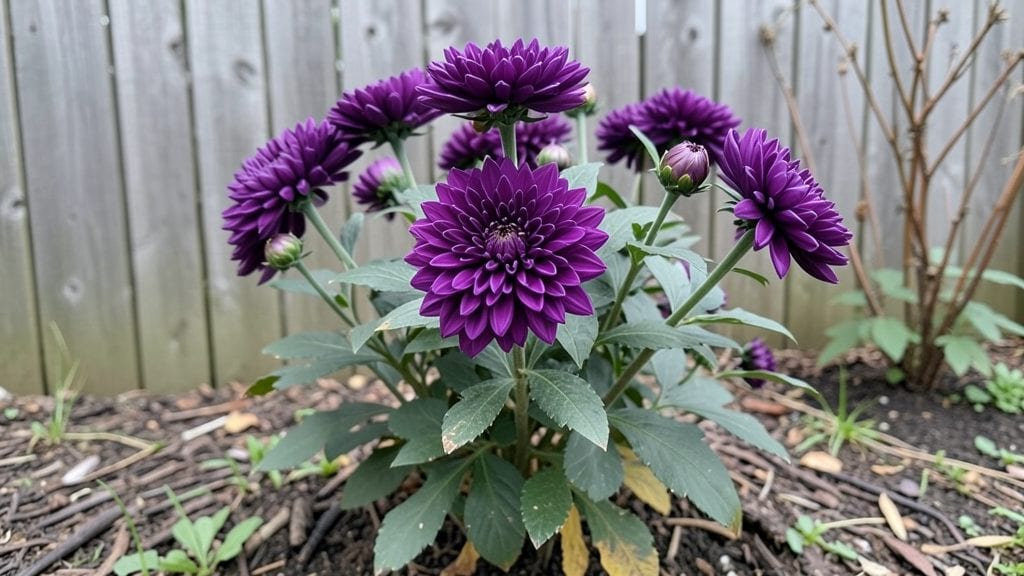
The Sheffield chrysanthemum plant turns fall into a riot of color—deep reds, purples, and whites that keep blooming until frost. 🌿 I’ve grown them for years, and the secret to their long-lasting flowers isn’t just good soil or sunlight—it’s knowing when to cut back spent blooms.
One wrong snip, and you’ll lose weeks of flowers. One perfect trim, and you’ll have a plant that keeps giving.
These hardy perennials thrive in full sun with well-draining soil, but they’re surprisingly flexible. I’ve seen them bounce back from partial shade and even light frost, though a thick mulch in winter gives them the best shot at surviving cold snaps.
The real magic happens in late summer when you start deadheading—snipping off old flowers right above a fresh leaf pair encourages the plant to push out new buds.
By fall, your Sheffield chrysanthemum will be a showstopper, with blooms so dense they look like a living carpet. The flowers stay vibrant longer than most varieties, and with proper care, they’ll reward you with color well into December.
The key? Consistency—water deeply once a week, feed with balanced fertilizer in early summer, and never let the soil dry out completely.
Whether you’re growing them in garden beds, containers, or even as indoor plants (yes, they adapt!), the same rules apply. The difference between a few sad blooms and a lush, flowering masterpiece often comes down to timing—especially that first deadheading. Let’s get those shears sharp and those buds blooming.
📚 In This Guide
- What you need
- Instructions
- Tips and common mistakes
- Wrapping up and next steps
What you need
- ● Sheffield Chrysanthemum Plants: 1–3 plants (depending on desired display size)
- ● Tip: Choose healthy, disease-free tubers or young plants from a reputable nursery.
- ● Well-Draining Potting Mix or Garden Soil: 5–10 gallons (for containers) or amended garden beds (for in-ground planting)
- ● Tip: Mix in compost or perlite (10–20%) for improved drainage.
- ○ Containers (Optional but Recommended for Small Spaces): 1–2 containers (12–18 inches in diameter) with drainage holes
- ● Tip: Terracotta pots help regulate moisture—perfect for Sheffield chrysanthemums!
- ● Garden Trowel or Transplant Spade (for digging)
- ● Pruning Shears (for deadheading and shaping)
- ● Gloves (to protect hands from thorns or soil)
- ● Watering Can or Hose with Gentle Nozzle
- ● Balanced Fertilizer (10-10-10 or 20-20-20) (1 tbsp per plant, applied every 4–6 weeks)
- ○ Mulch (Optional) (2–3 inches of straw or shredded bark to retain moisture)
- ● Sunlight Spot: At least 6–8 hours of direct sun daily (partial shade in hot climates)
Step-by-step instructions for cultivating Sheffield chrysanthemums
Here’s how to grow these hardy, long-blooming beauties with minimal fuss.
🌱 Step 1: Choose the Right Location and Soil
Sheffield chrysanthemums thrive in full sun to partial shade, with at least 6 hours of sunlight daily. I always pick a spot with morning sun and afternoon shade—this prevents leaf scorch while keeping blooms vibrant. The soil should drain well but retain moisture; amending with compost improves fertility without compacting.
Dig a hole twice as wide as the root ball but only as deep. This encourages roots to spread horizontally, which Sheffields love. Gently loosen the roots if they’re circling—this prevents transplant shock and helps establish faster. Water deeply right after planting to settle the soil around the roots.
☀️ Step 2: Water Consistently and Fertilize Regularly
Keep the soil evenly moist but never soggy—Sheffields hate wet feet. Water at the base in the morning so foliage dries quickly, reducing fungal risks. You’ll know it’s right when the top 1-2 inches of soil feel dry to the touch.
Feed every 4-6 weeks with a balanced, slow-release fertilizer (10-10-10 works well). I avoid high-nitrogen blends—they promote leafy growth at the expense of blooms. Stop fertilizing in late summer to encourage fall flowering, which is when Sheffields really shine.
✂️ Step 3: Deadhead and Prune for Longer Blooms
Here’s the secret to year-round color: deadhead spent blooms by pinching off the flower head and the first set of leaves below it. This redirects energy to new growth instead of seed production. Do this every 2-3 weeks during the blooming season—you’ll see fresh buds forming within days.
In early spring, give your Sheffield a light trim to remove any dead or damaged stems. Cut back by about one-third to encourage bushier growth. Avoid heavy pruning after mid-summer—it can delay fall blooms, which is the showstopper for these varieties.
🌿 Step 4: Protect and Prepare for Winter
Sheffields are hardy, but young plants or harsh winters need extra care. Once temperatures drop below 25°F, mound 2-3 inches of mulch around the base to insulate roots. I use shredded leaves or straw—they break down slowly and add organic matter.
In early spring, remove the mulch and check for any winter damage. Prune back any blackened stems to healthy growth. Resume regular watering and fertilizing once new shoots appear—this jumpstarts the blooming cycle for another stunning season.
Tips & tricks for perfect Sheffield chrysanthemum plant care
These simple secrets will help you coax vibrant, long-lasting blooms from your Sheffield chrysanthemums all year round.
The Sunlight Secret: While Sheffields tolerate partial shade, I’ve found the sweet spot is morning sun plus afternoon shade—especially in hot climates. This prevents leaf burn while maximizing bloom production. If your plants seem leggy, they might need more light. Try moving them to a sunnier spot gradually over a week to avoid shocking the foliage.
Watering Wisdom: The 1-2 inch dry soil test is your best friend. Stick your finger in the soil—if it feels dry at that depth, it’s time to water. I water at the base in the morning so leaves dry quickly, which prevents powdery mildew. Overwatering is the #1 killer of Sheffields, so always err on the side of slightly dry soil rather than soggy.
Deadheading Like a Pro: When you deadhead every 2-3 weeks, you’re not just cleaning up—you’re signaling the plant to produce more flowers. Use clean, sharp pruners or your fingers to pinch off the entire flower head plus the first set of leaves below. This redirects energy to new growth instead of seed production, which is why you’ll see fresh buds forming within days.
Winter Protection: That 25°F threshold is critical for young plants or harsh winters. I’ve learned the hard way that mulching too early (when temps are still mild) can trap moisture and invite rot. Wait until you see a hard frost forecast, then mound 2-3 inches of straw or shredded leaves around the base. This insulation keeps roots happy through winter’s chill.
Pro Tips for Sheffield Chrysanthemum Plant
- These simple secrets will help you coax vibrant, long-lasting blooms from your Sheffield chrysanthemums all year round.
- The Sunlight Secret: While Sheffields tolerate partial shade, I’ve found the sweet spot is morning sun plus afternoon shade—especially in hot climates.
- Watering Wisdom: The 1-2 inch dry soil test is your best friend.
Frequently asked questions
Got questions about your Sheffield Chrysanthemum? We’ve got answers!
Whether you're a newbie gardener or a seasoned plant lover, these FAQs will help you keep your chrysanthemums thriving year-round.
When is the best time to plant Sheffield Chrysanthemums?
For optimal growth, plant Sheffield Chrysanthemums in early spring (after the last frost) or early fall. This gives roots time to establish before extreme heat or cold. If planting in containers, ensure they have well-draining soil and 6+ hours of sunlight daily.
How often should I deadhead my Sheffield Chrysanthemums?
Deadhead spent blooms regularly (every 1-2 weeks) to encourage new flower production. Use clean pruners to trim just above a set of leaves. Stop deadheading in late summer to allow buds to form for fall blooms. Pro tip: Wear gloves—chrysanthemums can irritate skin!
Why aren’t my Sheffield Chrysanthemums blooming?
Lack of blooms often signals over-fertilizing with nitrogen (promotes foliage, not flowers) or insufficient light. Switch to a low-nitrogen, high-phosphorus fertilizer (like 5-10-10) and ensure 6+ hours of sunlight. Bonus: Pinch back stems in early summer to boost bushiness!
Can I grow Sheffield Chrysanthemums indoors?
Yes! Use a bright windowsill or grow lights (12+ hours/day). Choose compact varieties and repot every 2 years. Keep soil moist but not soggy, and rotate the pot weekly for even growth. Warning: Watch for spider mites in dry indoor air—mist leaves occasionally!
What are some low-maintenance alternatives to Sheffield Chrysanthemums?
If you want long-lasting color with less fuss, try:
- Dahlias – Stunning blooms, but need staking.
- Rudbeckias – Drought-tolerant and deer-resistant.
- Black-Eyed Susans – Thrives in poor soil and spreads easily.
- Sedum – Succulent-like, needs minimal water.
Wrapping up and next steps
Growing a Sheffield chrysanthemum plant is your ticket to vibrant blooms that brighten your garden year-round! With the right care—like deadheading, proper sunlight, and well-draining soil—you’ll enjoy stunning colors well into autumn and even winter.
Don’t let challenges like pests or pruning stress you; every gardener starts somewhere, and your Sheffield chrysanthemums will thank you for the effort.
Ready to level up your garden game? 🌸 Start by sharing your progress with fellow plant lovers or experiment with different varieties to find your perfect match. Happy gardening—your future blooms are waiting!