
Companion Plants
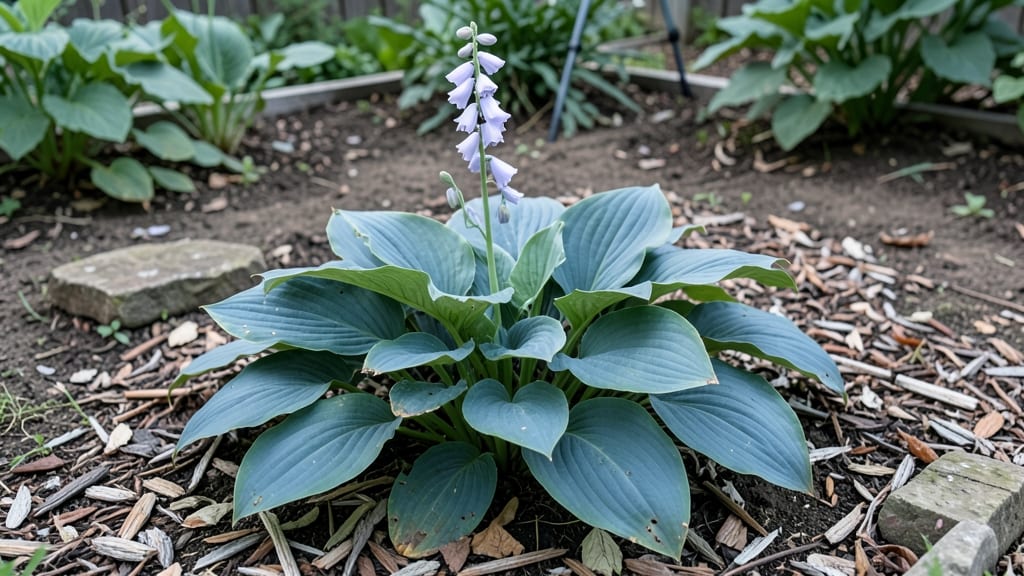
Shaded garden plants don’t mean sacrificing lush greenery—some varieties actually thrive where others struggle. 🌿 I’ve transformed my dim backyard corner into a vibrant retreat using hostas, ferns, and shade-loving shrubs that grow so well, neighbors ask for cuttings.
The secret isn’t just picking the right plants; it’s understanding how light filters through your space and matching plants to those conditions.
Start with the basics: soil moisture matters most in shade, so mulch heavily to retain dampness and keep roots cool. Pair moisture-loving plants like astilbes with drought-tolerant heucheras for contrast.
Layering is key—tall shrubs like hydrangeas in the back, medium perennials like lungwort in the middle, and creeping jenny as a ground cover up front creates depth that feels intentional, not accidental.
By mid-summer, your shaded garden will burst with velvety foliage and unexpected blooms—think deep purple astilbes, frothy white foamflowers, and the glossy leaves of Japanese painted ferns.
The air stays cooler, the space feels lush, and you’ll finally have a garden spot that’s usable all day long, not just when the sun’s out.
This works for any shady spot—under trees, along north-facing walls, or even in a courtyard with minimal sunlight. The same principles apply whether you’re filling a small corner or designing a full woodland garden. Let’s get those shadows working for you instead of against you.
📚 In This Guide
- What you need
- Instructions
- Tips and common mistakes
- Wrapping up and next steps
What you need
- ● Shade-tolerant plants: 5–10 varieties (e.g., Hostas, Ferns, Heucheras, Astilbes, or Caladiums). Choose based on your shade level (full, partial, or dappled).
- ● High-quality potting soil or garden soil: 2–3 cubic yards (amend with compost for better drainage). Opt for moisture-retentive mixes like peat-based or coco coir blends.
- ● Organic mulch: 2–3 inches of shredded bark, pine straw, or leaf litter to retain moisture and suppress weeds.
- ● Watering can or hose with a gentle spray nozzle: For deep, even watering without disturbing soil.
- ● Garden gloves: A pair to protect your hands from thorns or rough foliage.
- ● Pruning shears: Sharp, bypass-style shears for trimming dead leaves or overgrowth.
- ● Garden stakes or plant labels: 10–15 stakes (wooden or biodegradable) and waterproof markers to track plant names.
- ● Slow-release fertilizer: Balanced (10-10-10) or low-nitrogen (5-10-10) for shade-loving plants.
- ● Drip irrigation system: For automated, consistent watering in larger gardens.
- ● Shade cloth or fabric: If your area has variable sunlight, use 30–50% shade cloth for extra protection.
- ● Decorative rocks or pebbles: For a polished look around plant bases (ensure they don’t trap moisture).
- ● Soil pH test kit: To check if your soil needs lime (to raise pH) or sulfur (to lower pH).
How to design a thriving shaded garden with low-light lovers
Here’s how to create a vibrant, low-maintenance garden where shade-loving plants shine without fighting for light.
🌿 Step 1: Select Plants for Your Specific Shade Level
Not all shade is equal—deep shade under trees gets less than 3 hours of filtered light daily, while partial shade offers 3-6 hours of dappled sun. For deep shade, choose hostas, ferns, and astilbes. Partial shade thrives with heucheras, impatiens, and lungwort. I always check the plant tags for light requirements before buying, because even shade plants can scorch if planted in full sun.
For 4 plants, pick a mix of textures: a hosta for broad leaves, a fern for delicate fronds, an astilbe for feathery plumes, and a heuchera for bold foliage. This creates visual interest while keeping care manageable. Group plants with similar water needs together—hostas and ferns prefer consistent moisture, while heucheras tolerate slightly drier conditions.
🪴 Step 2: Prepare Soil for Moisture Retention and Drainage
Shade gardens often have compacted, moisture-retentive soil that roots can’t breathe in. Amend the existing soil with 3 inches of compost and a handful of perlite per planting hole to improve aeration. I dig down 12 inches deep to break up any clay layers, then mix in a slow-release organic fertilizer like fish emulsion to feed roots gradually.
Test your soil’s moisture level before planting—stick your finger 2 inches deep. If it feels damp but not soggy, your soil is ready. If it’s bone-dry, you’ll need to water deeply before planting to help roots establish. Mulch with 2-3 inches of shredded bark to keep moisture levels stable and suppress weeds, which thrive in shady, damp conditions.
☀️ Step 3: Plant for Layered Light and Airflow
Arrange taller plants like astilbes and ferns at the back of the bed, with medium-height heucheras and hostas in the middle, and low-growing impatiens or ajuga in the front. This ensures no plant gets overshadowed by its neighbors. I space plants 12-18 inches apart, depending on their mature size—crowding leads to fungal issues in humid shade.
Dig holes twice as wide as the root ball but only as deep as the container. Place the plant so the top of the root ball sits ½ inch below soil level—this prevents stem rot from sitting water. Backfill with native soil mixed with compost, then water deeply to eliminate air pockets. A gentle shake of the plant after backfilling helps settle soil around roots.
💧 Step 4: Water Strategically to Avoid Root Rot
Shade gardens stay moist longer, so I water deeply once a week (or more in extreme heat) rather than daily shallow waterings. Aim for 1 inch of water per week, delivered at the base of plants—not overhead—to prevent fungal spores from splashing onto leaves. Use a rain gauge or tuna can to measure accurately; eyeballing often leads to over- or under-watering.
Check soil moisture by lifting a plant’s mulch and feeling 2 inches below the surface. If it’s dry, water again. If it’s still damp, wait another day. Overwatering is the fastest way to kill shade plants—roots need oxygen, not a soggy environment. Drip irrigation or soaker hoses work best for even moisture distribution without disturbing the soil.
✂️ Step 5: Maintain with Pruning and Seasonal Care
Deadhead spent blooms on astilbes and impatiens regularly to encourage more flowers, but avoid pruning ferns or hostas until early spring. I cut back any yellowed or damaged leaves in late winter to make room for fresh growth. For heucheras, pinch back leggy stems in early summer to promote bushier, more compact plants.
Fertilize lightly in spring with a balanced organic fertilizer (like 10-10-10) to support new growth, but avoid heavy feeding—shade plants grow slowly and don’t need much. Monitor for pests like slugs or aphids, which love tender new leaves. A beer trap (bury a shallow dish of beer near plants) or neem oil spray keeps them in check without harsh chemicals.
Tips & tricks for perfect shaded garden planting
Creating a thriving shaded garden takes more than just selecting the right plants—it’s about understanding their unique needs and creating the perfect environment for them to flourish.
Light Level Nuances: The 3-6 hours of dappled sun mentioned in Step 1 is a crucial range to remember. Partial shade plants like heucheras and impatiens can actually suffer in areas with less than 3 hours of light, while deep shade plants like hostas and ferns will scorch if exposed to direct sun for even a few hours. I always test a small area throughout the day to map out the light patterns before selecting plants.
Soil Preparation Strategy: When amending soil with 3 inches of compost and perlite as described in Step 2, I recommend double-checking your clay content first. If your soil is heavy clay, mix in an extra 1 inch of coarse sand to improve drainage—this prevents the dreaded root rot that plagues many shade gardens. A simple jar test (fill a jar with soil and water, then observe how quickly water drains) helps determine if you need additional amendments.
Planting Depth Secret: The ½ inch below soil level placement in Step 3 is critical for preventing stem rot, but it’s also about the root ball. Gently loosen the outer edges of the root ball before planting—this encourages roots to spread outward rather than circling the plant, which can strangle growth over time. A quick shake after backfilling (as mentioned) ensures no air pockets remain, which could lead to rot.
Watering Precision: The 1 inch of water per week guideline in Step 4 works perfectly for most shade gardens, but timing matters just as much. Water in the early morning to allow foliage to dry before evening—this prevents fungal issues that thrive in humid, shaded conditions. I’ve found that using a drip irrigation system on a timer eliminates guesswork and ensures consistent moisture without the overhead splashing that spreads disease.
Pro Tips for Shaded Garden Plants
- Creating a thriving shaded garden takes more than just selecting the right plants—it’s about understanding their unique needs and creating the perfect environment for them to flourish.
- Light Level Nuances: The 3-6 hours of dappled sun mentioned in Step 1 is a crucial range to remember.
- Soil Preparation Strategy: When amending soil with 3 inches of compost and perlite as described in Step 2, I recommend double-checking your clay content first.
Frequently asked questions
Got questions about shaded garden plants?
You’re not alone! Here are answers to the most common queries to help you create a thriving, low-light oasis.
What are the best easy-care shaded plants for beginners?
Start with hostas, heucheras, or ferns—they’re forgiving and adaptable. Astilbes and bleeding hearts also thrive with minimal fuss. Focus on moisture retention and well-draining soil to keep them happy!
How long does it take for shaded plants to establish and grow?
Most shaded perennials take 1-2 years to fully establish, while ferns and hostas may show steady growth in 6-12 months. Patience pays off—consistent watering (especially in dry spells) speeds up root development.
Do shaded plants need special watering?
Yes! Shaded soil stays moist longer, so water deeply 1-2 times per week (adjust for heatwaves). Avoid soggy roots—ensure containers or beds have drainage. Mulch (like shredded bark) helps retain moisture and regulates temperature.
Can I grow vegetables or herbs in shade?
Try lettuce, spinach, or green onions in partial shade. Herbs like cilantro and mint also do well. For full shade, opt for microgreens or shitake mushrooms (with the right setup). Just extend their growing season with containers!
What pests or diseases should I watch for in shaded gardens?
Common issues include slugs (love hostas!), aphids, and fungal diseases (like powdery mildew) in humid shade. Use copper tape for slugs, neem oil for pests, and prune for airflow to prevent mildew.
What if my shaded plants look leggy or weak?
Leggy growth often means they’re stretching for light. Trim back overgrowth, thin dense foliage, or move plants to a slightly brighter spot (but avoid harsh sun). Fertilize lightly with balanced, slow-release options to encourage sturdy growth.
Wrapping up and next steps
Creating a thriving shaded garden is all about choosing the right shaded garden plants that embrace low light while adding beauty and texture to your space.
From hostas and heucheras to ferns and astilbes, these hardy companions bring life to even the darkest corners—proving that shade doesn’t mean sacrifice! 🌿
Now that you’re armed with the best options and care tips, why not take the next step? Start small with a single shade-loving plant, or sketch a layout for your dream shaded oasis.
Every leafy addition brings you closer to a lush, serene retreat—so grab your gloves and get growing! 🌱