
Planting
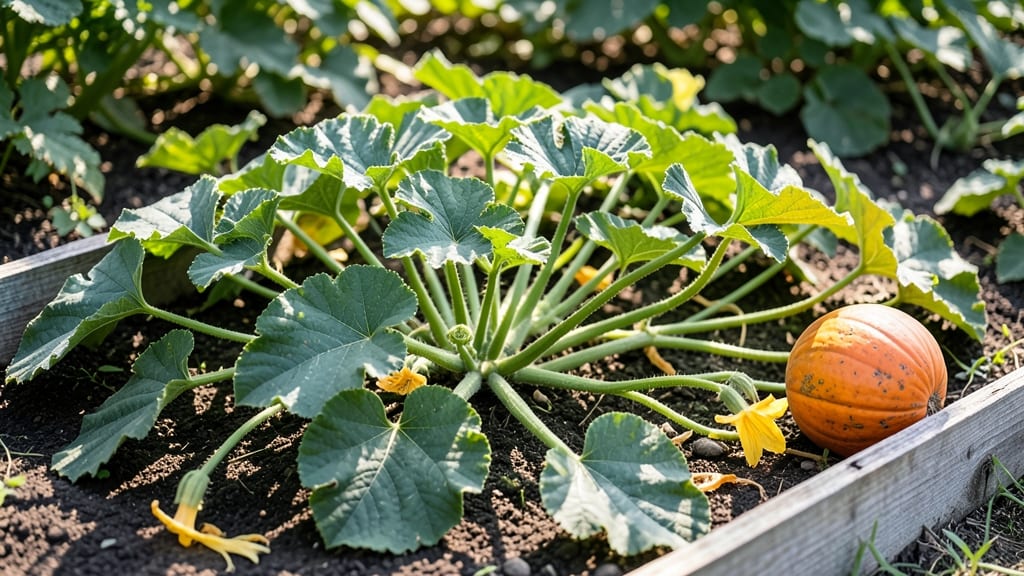
The Seminole pumpkin plant thrives where most varieties fail—under blazing sun and with minimal water. I’ve grown these drought-resistant beauties for years, and they never disappoint with their glossy, deep-orange fruits and rich, nutty flavor.
These aren’t your average pumpkins; they’re the perfect blend of hardiness and versatility, ideal for both ornamental displays and savory dishes.
Planting them is straightforward once you know their preferences. They love full sun—at least 8 hours daily—and well-draining soil, though they tolerate poor conditions better than most. Start seeds 4-6 weeks before your last frost or transplant young plants after soil warms to 60°F or higher.
Their vines spread 10-15 feet, so give them space or train them along a trellis if needed.
Watering is where these pumpkins shine. Once established, they need less than 1 inch of water per week, making them perfect for dry climates. Feed them lightly with a balanced fertilizer at planting and again when vines start running, but avoid overdoing it—they’re not heavy feeders.
Harvest when rinds harden and stems dry, usually 90-100 days after planting.
Beyond their resilience, Seminole pumpkins are prized for their sweet, dense flesh—great for pies, soups, or roasting. Their small size (typically 4-8 pounds) makes them easier to handle than giant varieties, and their deep color adds a striking touch to fall decor.
With proper care, you’ll enjoy a bountiful harvest even in tough growing conditions.
📚 In This Guide
- What you need
- Instructions
- Tips and common mistakes
- Wrapping up and next steps
What you need
- ● Seminole pumpkin seeds – 3–5 seeds (or 1–2 plants if starting with seedlings). Look for heirloom or native varieties for authenticity!
- ● Well-draining potting mix or garden soil – 10–15 gallons per plant. Seminole pumpkins thrive in loamy, slightly sandy soil with a pH of 6.0–7.0.
- ○ Compost or aged manure – 1–2 cups per planting hole (optional but recommended for nutrient boost).
- ● Watering can or hose with a gentle spray nozzle – Seminole pumpkins need consistent moisture, especially during flowering.
- ● Fertilizer (balanced 10-10-10 or organic options) – 1 tbsp per plant at planting, then again when vines start spreading.
- ○ Trellis or sturdy stakes (optional but helpful) – 4–6 ft tall for vines to climb (reduces sprawl and improves air circulation).
- ● Mulch (straw or shredded leaves) – 2–3 inches thick to retain moisture and suppress weeds.
- ● Hand trowel or garden fork – For digging planting holes (6–8 inches deep).
- ● Gloves – Protect your hands from thorny vines and soil.
- ● Pruning shears – To trim excess vines or remove dead leaves.
- ● Spray bottle (for seedlings) – Helps with gentle watering indoors before transplanting.
- ○ Thermometer (optional) – Seminole pumpkins love warmth (70–90°F)—monitor soil temps if in cooler climates.
- ● Sunlight – Full sun (6+ hours daily). Seminole pumpkins are drought-tolerant but hate shade.
- ● Warmth – Wait until after the last frost (soil temp should be at least 60°F).
- ● Space – Each plant needs 5–10 ft of diameter (or 3–4 ft if trellising).
- ● Patience – Seminole pumpkins mature in 90–110 days, so plan ahead!
Step-by-step guide to growing Seminole pumpkin plants
Here’s how to cultivate these drought-resistant, heat-loving pumpkins with minimal fuss.
Select the Perfect Planting Site and Prepare the Soil
Seminole pumpkins thrive in full sun—choose a location that receives at least 8 hours of direct sunlight daily. These plants tolerate heat and drought once established, but they need well-draining soil to prevent root rot. Amend the soil with 2-3 inches of compost to improve fertility and structure, working it into the top 12 inches of soil.
Since Seminole pumpkins are native to Florida, they prefer slightly acidic to neutral soil with a pH between 6.0 and 7.0. Test your soil before planting—if it’s heavy clay, mix in sand or perlite to improve drainage. Avoid low-lying areas where water pools after rain, as soggy conditions will stunt growth.
Plant Seeds at the Right Time and Depth
Wait until the soil temperature reaches at least 70°F before planting, usually 2-3 weeks after your last frost date in warmer climates. Seminole pumpkins are sensitive to cold, so don’t rush—planting too early in cool soil delays germination and weakens seedlings.
Dig holes 1 inch deep and space them 3-4 feet apart in all directions, allowing room for sprawling vines. Plant 2-3 seeds per hole and cover lightly with soil. Water gently to settle the seeds without disturbing them. Once seedlings emerge, thin to the strongest plant per hill, snipping the others at the base with clean scissors.
Provide Consistent Water and Mulch for Drought Resistance
Keep the soil evenly moist but not soggy during the first 4-6 weeks after germination. Seminole pumpkins develop deep roots, so deep watering once a week is better than frequent shallow watering. Once established, they become drought-tolerant, but consistent moisture during flowering and fruiting ensures larger yields.
Apply a 3-inch layer of mulch around each plant, using straw or shredded leaves, to retain moisture and suppress weeds. Mulch also keeps soil temperatures stable, which is critical in hot climates. Avoid piling mulch directly against stems to prevent rot.
Fertilize and Monitor for Pests and Diseases
Feed Seminole pumpkins with a balanced, slow-release fertilizer (10-10-10) at planting and again when vines begin to sprawl. Avoid high-nitrogen fertilizers, which promote leafy growth at the expense of fruit development. Instead, switch to a low-nitrogen, high-phosphorus fertilizer (5-10-10) when flowers appear to encourage blooming.
Watch for squash vine borers, the biggest threat to pumpkins. Handpick eggs or larvae if you spot them, or apply neem oil as a preventive spray every 2 weeks. Yellowing leaves may signal powdery mildew—improve airflow by pruning excess foliage and spray with a baking soda solution (1 tablespoon per gallon of water) if needed.
Harvest at Peak Ripeness for Best Flavor
Seminole pumpkins mature in 90-100 days, but don’t rush harvesting. Wait until the rind hardens and turns a deep orange or tan, and the stem dries out where it meets the fruit. A mature pumpkin will have a papery, dry stem—twist gently to test readiness.
Use a sharp knife or pruners to cut the stem, leaving a 2-inch stem attached to the fruit. Cure pumpkins in a dry, warm (80-85°F) place for 10-14 days to develop their full flavor and storage potential. Store in a cool, dry spot for 2-3 months—their sweet, nutty taste intensifies over time.
Tips & tricks for perfect Seminole pumpkin plant growth
These essential insights will help you cultivate thriving Seminole pumpkins that withstand Florida’s heat and drought conditions.
Soil Temperature Matters: The soil temperature threshold of 70°F is non-negotiable for Seminole pumpkins. Use a soil thermometer to verify—cold soil delays germination and creates weak seedlings. In cooler climates, consider using black plastic mulch to warm the soil faster. This heat-loving variety won’t tolerate anything below 65°F for extended periods, so plan accordingly if you're in a transitional climate.
Precision Planting Technique: When planting your 2-3 seeds per hole at 1 inch deep, use a dibble or pencil to create clean holes. This prevents seed displacement during watering. After germination, thin to the strongest seedling by snipping at soil level—never pull—this prevents disturbing roots of neighboring plants. The 3-4 feet spacing is crucial for vine development and airflow, which reduces disease risk.
Watering Strategy: The initial 4-6 weeks of even moisture are critical for root establishment. Use a moisture meter to verify soil moisture—it should feel like a damp sponge, not soggy. Once established, reduce to weekly deep watering, but maintain this during flowering and fruiting. The deep roots of Seminole pumpkins make them remarkably drought-tolerant once mature, but consistent moisture during these growth phases ensures optimal fruit development.
Harvesting Cues: The 10-14 day curing period at 80-85°F is where Seminole pumpkins develop their signature sweet, nutty flavor. Place them in a well-ventilated area with consistent warmth—avoid direct sunlight which can cause uneven drying. The papery stem and deep color changes indicate full maturity, but don't wait until the stem rots completely. A mature Seminole pumpkin should have a firm rind that doesn't dent when pressed.
Pro Tips for Seminole Pumpkin Plant
- These essential insights will help you cultivate thriving Seminole pumpkins that withstand Florida’s heat and drought conditions.
- Soil Temperature Matters: The soil temperature threshold of 70°F is non-negotiable for Seminole pumpkins.
- Precision Planting Technique: When planting your 2-3 seeds per hole at 1 inch deep, use a dibble or pencil to create clean holes.
Frequently asked questions
How long does it take for a Seminole pumpkin plant to grow and produce fruit?
A Seminole pumpkin plant typically matures in 90–110 days from seed to harvest, depending on climate and growing conditions. With its heat tolerance, it thrives in shorter seasons too! Start seeds indoors 4–6 weeks before the last frost or direct-sow after soil warms to 70°F+. Patience pays off—these vines spread wide, so give them space!
Why aren’t my Seminole pumpkin flowers pollinating, even with bees around?
Seminole pumpkins are self-pollinating, but wind, rain, or lack of bees can still cause issues. Try gently shaking vines near flowers in the morning ( 7–9 AM) to aid pollination. If flowers drop without fruiting, check for pests (squash vine borers, aphids) or nutrient deficiencies (add compost or a balanced fertilizer). Male flowers (long stems) appear first—wait for female flowers (tiny fruit at base) to bloom.
Can I grow Seminole pumpkins in containers, or do they need a garden bed?
Yes! Seminole pumpkins adapt well to large containers (15+ gallons) with good drainage. Use a 5-gallon pot per plant or a 3–4 ft diameter raised bed to contain their sprawling vines. Ensure the container gets 6+ hours of sun and use a lightweight potting mix. Trellising isn’t ideal (they’re heavy!), but pruning excess vines can help manage space.
How do I know when Seminole pumpkins are ripe for harvest?
Harvest when the pumpkin’s skin turns hard and dull (no green), and the stem dries out but doesn’t detach easily. Tap it—if it sounds hollow, it’s ready! Use a sharp knife to cut the stem (leave 2–3 inches attached). Cure pumpkins in a warm (80–85°F), dry spot for 10 days to extend storage life. Avoid rain or frost before harvest, or they’ll spoil faster.
What can I do if my Seminole pumpkin plant gets powdery mildew?
Powdery mildew (white powdery spots) thrives in humid, low-airflow conditions. Prevent it with:
- Space plants 3–4 ft apart for airflow.
- Water at the base (avoid wetting leaves).
- Apply neem oil or baking soda spray (1 tsp baking soda + 1 quart water + drop of soap) weekly.
Wrapping up and next steps
Growing a Seminole pumpkin plant is a rewarding way to celebrate Native American heritage while embracing drought-resistant gardening. These hardy vines thrive in heat, require minimal care, and produce stunning, edible fruit perfect for soups, pies, or even carving.
Whether you're a seasoned gardener or a beginner, their resilience makes them an excellent choice for sustainable and beautiful harvests.
Ready to plant your own? Start by selecting a sunny spot, gathering your supplies, and following the steps above. Your garden—and future pumpkin dishes—will thank you! 🌱🎃