
Diseases
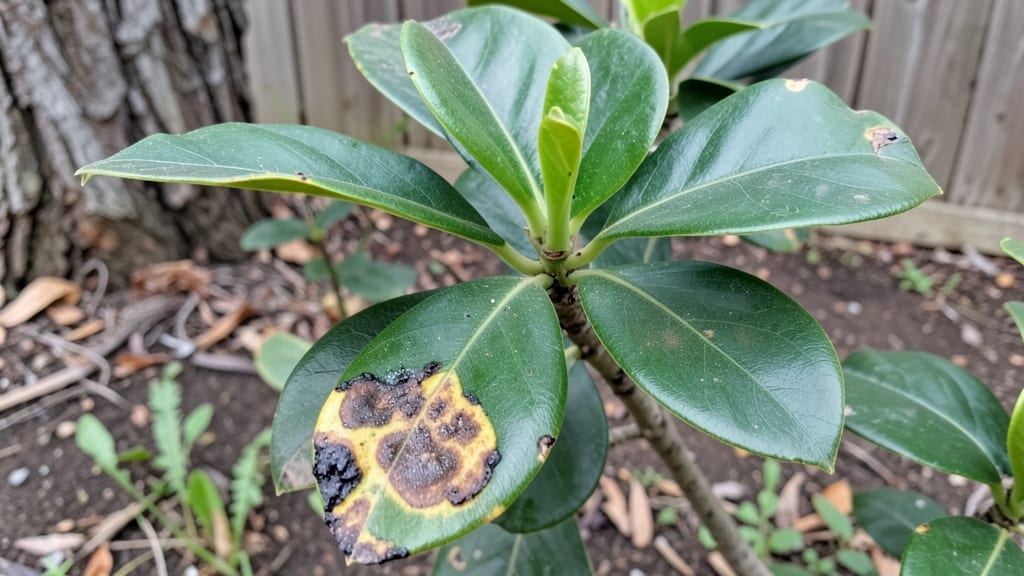
When your aucuba’s glossy leaves start yellowing or black spots creep across the foliage, you’re dealing with one of its most common diseases—and I’ve seen every stage firsthand. 🌿 These plants are tough, but fungal infections like anthracnose or bacterial leaf spot can turn a healthy aucuba into a sad, sparse shadow of itself if you don’t act fast.
The good news? Most issues respond well to organic fixes once you identify the problem correctly.
Most aucuba diseases thrive in humid, poorly ventilated conditions, so overcrowded pots or soggy soil are usually the culprits. I’ve spotted leaf spots after heavy rain or when mulch piled too close to the stem.
The key is catching symptoms early—crinkled edges, discolored patches, or sticky residue on leaves—before the fungus spreads. A quick inspection every two weeks during wet seasons saves me from losing plants entirely.
With the right approach, you can restore your aucuba’s vibrant green canopy in just a few weeks. Prune affected leaves immediately, then treat with neem oil or copper fungicide to stop the spread.
For severe cases, I’ve had success with a baking soda spray (1 teaspoon per quart of water), but always test on one leaf first. The goal is to keep your aucuba thriving without harsh chemicals.
Prevention is simpler than you think: space plants for airflow, water at the base (not overhead), and avoid wetting foliage during rainy seasons.
If the problem persists after two treatments, it might be time to consult a local extension service—they can help rule out less common issues like root rot or nutrient deficiencies that mimic disease symptoms.
Root Causes Of Aucuba Stress
Aucuba plants, with their glossy leaves and striking foliage, are prized for their resilience—but even the toughest shrubs succumb to stress when conditions go awry. Understanding why these diseases and disorders flare up is the first step to prevention.
Below, we break down the key culprits, from environmental mismatches to hidden pests, with the science behind each issue.
Extreme or inconsistent conditions—whether heat, cold, humidity, or drought—disrupt the aucuba’s natural defenses, leaving it vulnerable to fungal infections, leaf scorch, or root rot.
- Temperature Swings: Aucubas thrive in USDA Zones 7–10, but sudden freezes (<32°F/0°C) or scorching heat (>90°F/32°C) shock their cells. Cold damage causes brown, crispy leaf edges, while heat stress leads to yellowing and wilting. The plant’s cuticle (waxy leaf coating) breaks down under stress, making it easier for pathogens like Botrytis (gray mold) to invade.
- Poor Drainage: Aucubas hate "wet feet." Overwatering or clay-heavy soil traps moisture, suffocating roots and inviting Phytophthora (a water mold). Symptoms include blackened stems, mushy roots, and sudden wilting. The fungus thrives in anaerobic (oxygen-poor) soil, where roots can’t absorb nutrients efficiently.
- Humidity Mismatches: High humidity (>70%) without airflow promotes powdery mildew (white, talcum-like patches), while dry air (<40%) causes leaf edge burn. The issue? Aucubas need moderate humidity (50–60%) to balance transpiration (water loss through leaves) and photosynthesis.
💡 Pro Tip: Mulch with orchid bark or pine needles to regulate soil moisture—these materials improve drainage while retaining humidity near the roots.
Insects and mites don’t just nibble—they transmit diseases and weaken aucubas by feeding on sap, leaves, or roots. Their damage creates entry points for fungi and bacteria.
- Spider Mites: These tiny arachnids (visible as red/yellow specks) suck cell sap, causing stippled, yellow leaves and webbing. Their saliva contains toxins that trigger necrotic (dead) spots, making the plant more susceptible to Alternaria leaf spot (dark, concentric rings). Mites thrive in dry, dusty conditions, so they often strike during droughts.
- Scale Insects: These waxy, immobile pests (brown/white bumps on stems) excrete honeydew, a sugary residue that fosters sooty mold (black fungal growth). Sooty mold blocks sunlight, reducing photosynthesis by up to 50%. Scale also weakens the plant, allowing root rot to take hold.
- Root-Knot Nematodes: Microscopic worms burrow into roots, forming galls (lumpy growths) that disrupt water/nutrient flow. Infested plants show stunted growth, yellowing leaves, and poor flowering. Nematodes spread via contaminated soil or tools, making them hard to eradicate once established.
🔥 Warning: If you spot white, cottony fungal growth near scale insects, it’s likely Oidium (powdery mildew)—a classic pest-fungus combo.
Aucubas are adaptable, but poor soil health directly impacts their disease resistance. Deficiencies or toxicities throw their biology off-kilter.
- Nitrogen Deficiency: Yellowing between leaf veins (chlorosis) signals low nitrogen, which weakens cell walls. Weakened leaves are 3x more likely to develop anthracnose (dark, sunken lesions). Nitrogen also fuels beneficial microbes in the rhizosphere (root zone), so a deficit reduces natural disease suppression.
- Iron or Magnesium Toxicity: Over-fertilization with high-phosphorus or calcareous (alkaline) soil locks out micronutrients like iron and magnesium. Symptoms include yellowing leaves with green veins (iron) or interveinal browning (magnesium). Stressed leaves can’t produce chlorophyll efficiently, making them prime targets for leaf spot diseases.
- Compacted Soil: Heavy foot traffic or clay soil compresses roots, reducing oxygen flow. This creates anaerobic pockets, where Pythium (a root-rot fungus) thrives. Compacted soil also traps excess salts from fertilizers, leading to osmotic stress (cells lose water to the soil).
🎯 Fix It: Test soil pH (ideal: 5.5–6.5) and amend with compost or sulfur to adjust acidity. For compacted soil, aerate annually with a garden fork.
Even the hardiest aucubas suffer when basic care is overlooked. These "soft" causes often lead to secondary infections.
- Overpruning: Cutting back more than 1/3 of the plant in one season stresses it, reducing its ability to photosynthesize and heal. Prune wounds act as entry points for bacteria like Pseudomonas, causing bacterial leaf blight (water-soaked spots).
- Improper Transplant Shock: Moving aucubas without root pruning or acclimation disrupts their mycorrhizal fungi (beneficial root partners). Transplanted plants are 50% more vulnerable to Fusarium wilt (vascular disease) for the first year.
- Fungal Spore Splash: Watering overhead (especially in rainy seasons) splashes spores from soil or fallen leaves onto foliage. This spreads Septoria leaf spot (tiny black dots with yellow halos) rapidly. Drip irrigation or soaker hoses prevent this.
✨ Prevention Hack: Space aucubas 3–4 feet apart to improve airflow—reducing humidity at leaf level by 20%, which cuts fungal spore survival rates.
How to Fix Aucuba Plant Woes
Now that you’ve identified the culprit behind your aucuba’s distress, it’s time to roll up your sleeves and restore its health—naturally! Below are practical, step-by-step solutions tailored to each common ailment, plus prevention tips to keep your plant thriving long-term.
Think of this as your aucuba’s emergency first aid kit, minus the harsh chemicals.
Fix: Prune, cleanse, and restore airflow
🔪 Step 1: Trim the Damage
- Use sterilized pruners (wipe with rubbing alcohol) to snip off infected leaves—cut ½ inch below the visible spot to prevent spread.
- Dispose of clippings in the trash (not compost) to avoid reinfection.
- Pro Tip: 💡 If rust spores are visible (orange pustules), bag and freeze heavily infected leaves for 48 hours before tossing.
🧼 Step 2: Deep-Clean Your Plant
- Wipe leaves with a neem oil solution (1 tsp neem oil + 1 tsp mild soap + 1 quart water).
Use a soft cloth or sponge—avoid oversaturating soil. - Spray undersides (fungi love hiding there!) and repeat every 7–10 days until new growth appears.
🌬️ Step 3: Boost Air Circulation
- Space plants 12–18 inches apart—crowding traps moisture.
- Use a small fan on low setting near the plant for 2–3 hours daily to dry leaves faster.
- Water at the base only (avoid overhead spraying) and use pots with drainage holes.
🌿 Prevention:
- Water in the morning so leaves dry by evening.
- Avoid wetting foliage during rainy seasons—use a shade cloth if needed.
- Rotate pots occasionally for even sunlight exposure (prevents stress spots).
Fix: Smother, suffocate, and starve them out
🍳 Step 1: Manual Removal (For Small Infestations)
- Scale insects: Scrape off with a soft toothbrush dipped in rubbing alcohol (70% isopropyl).
- Mealybugs: Wipe colonies with a cotton swab soaked in soapy water.
- Pro Tip: 🔥 Isolate the plant during treatment to prevent pests from hitchhiking to neighbors.
🌡️ Step 2: Natural Sprays (For Heavy Infestations)
Mix one of these and spray directly on pests (focus on undersides and stems): - Insecticidal soap: 2 tbsp liquid soap + 1 quart water.
Spray every 5–7 days for 2 weeks. - Neem oil blend: 1 tbsp neem oil + 1 tsp castile soap + 1 quart water. Shake well before use. - Horticultural oil: Apply in early morning/late evening (avoid direct sun—it burns leaves).
🎯 Step 3: Beneficial Buddies
- Release ladybugs or lacewings (natural predators) near the plant.
- Spray with a garlic-chili spray (blend 2 garlic cloves + 1 tbsp cayenne + 1 quart water; strain and spray) to repel mites.
🛡️ Prevention:
- Inspect new plants for pests before bringing them home (quarantine for 2 weeks).
- Dust leaves monthly with a damp microfiber cloth—mites hate clean surfaces!
- Avoid over-fertilizing (weak plants attract pests).
Fix: Adjust care and feed smartly
📊 Step 1: Diagnose the Deficit
Use this quick guide to identify the issue:
| Symptom | Likely Cause | Solution |
|---|---|---|
| Yellow lower leaves | Overwatering or poor drainage | Let soil dry completely between waterings; repot with well-draining mix (add perlite). |
| Yellowing between veins | Iron or nitrogen deficiency | Apply chelated iron supplement (follow label) or use a balanced organic fertilizer (10-10-10). |
| Purple stems/leaves | Phosphorus deficiency | Use a bone meal fertilizer or compost with high phosphorus content. |
| Brown, crispy edges | Underwatering or low humidity | Water deeply when top 1–2 inches of soil dry; place a pebble tray with water nearby. |
🌱 Step 2: Repot if Needed
- If roots are circling or mushy, repot into a slightly larger container with fresh, airy soil (mix potting soil with 30% perlite or orchid bark).
- Pro Tip: ✨ Avoid fertilizing for 4–6 weeks after repotting to reduce shock.
💪 Prevention:
- Test soil pH (ideal: 5.5–6.5). Use vinegar (for alkaline soil) or lime (for acidic soil) to adjust.
- Feed lightly in spring/summer (every 4–6 weeks) with a balanced organic fertilizer.
- Mulch with compost to slowly release nutrients.
Fix: Adjust placement and protect
☀️ For Sunburn (Bleached or Crispy Leaves)
- Move to indirect light (east or north-facing window).
- Acclimate slowly if moving from shade to sun—gradually increase light over 2–3 weeks.
- Use sheer curtains to diffuse harsh afternoon rays.
❄️ For Cold Damage (Blackened or Drooping Leaves)
- Bring indoors if temps drop below 40°F (4°C).
- Avoid drafts (near doors/windows) and heat vents.
- Trim damaged leaves and reduce watering until new growth appears.
🌡️ Prevention:
- Monitor humidity (ideal: 40–60%). Use a humidifier or group plants together.
- Avoid sudden temperature swings (keep aucubas in consistent 60–75°F (15–24°C) ranges).
To prevent future problems, follow this monthly maintenance routine:
- Spring: Repot if root-bound; fertilize with balanced organic fertilizer.
- Summer: Prune leggy growth; mist leaves daily if humidity drops below 40%.
- Fall: Reduce watering; clean leaves to remove dust/pests.
- Winter: Keep in bright, indirect light; check soil moisture (water sparingly).
Remember: Patience is key—some issues (like fungal spots) may take 4–6 weeks to fully resolve. But with these organic, plant-friendly fixes, your aucuba will bounce back stronger than ever! 🌿💚
Frequently asked questions about aucuba plant health
Why are my aucuba leaves turning yellow with brown spots?
This is likely anthracnose or leaf spot disease, common in aucubas when humidity is high and airflow is poor. The brown spots often have yellow halos and spread quickly in wet conditions. Prune affected leaves immediately and apply neem oil spray (1 tsp neem + 1 tsp mild soap per quart of water) every 7-10 days. Space plants apart to improve circulation.
How do I tell if my aucuba has root rot?
Check for mushy, blackened roots and stems at the soil line—these are classic signs. The plant may also wilt suddenly despite moist soil or develop yellowing leaves. If caught early, repot in fresh, well-draining mix (add perlite) and reduce watering. For severe cases, trim all infected roots and treat with a copper fungicide (follow label instructions).
Can I save my aucuba if it's completely defoliated?
Yes, but act fast! First, check the roots—if they're still firm and white, the plant may recover. Move it to bright, indirect light and reduce watering to every 2-3 weeks. Apply a balanced fertilizer (5-5-5) lightly to encourage regrowth. New leaves should appear within 4-6 weeks if the roots are healthy.
What's the best way to prevent fungal diseases in aucubas?
Focus on three key practices: water at the base (never overhead), space plants 12-18 inches apart for airflow, and use drip irrigation instead of sprinklers. In humid climates, mist leaves with a baking soda solution (1 tsp per quart of water) monthly as a preventive measure. Always sterilize pruners between cuts to avoid spreading spores.
Are aucuba diseases contagious to other plants?
Some are! Fungal diseases like anthracnose or powdery mildew can spread via wind, water, or contaminated tools. Isolate infected aucubas immediately and disinfect garden tools with rubbing alcohol. Avoid overhead watering during rainy seasons to prevent spore splash. If possible, quarantine new plants for 2 weeks before introducing them to your garden.