
Diseases
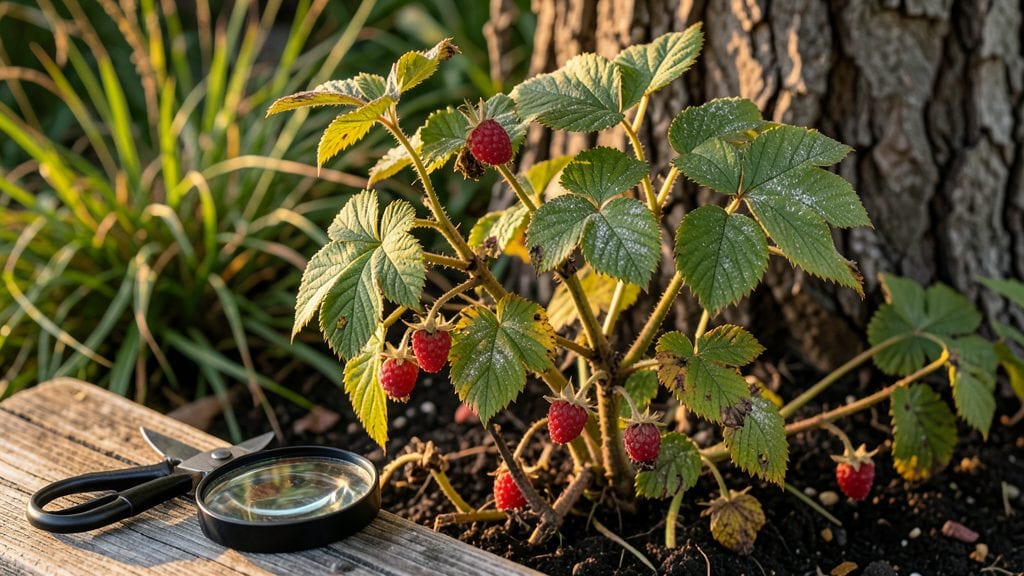
Raspberry plant diseases don’t have to derail your harvest—spotting them early means saving your bushes before they spiral. 🌿 Last summer, my canes turned black at the base overnight from cane blight, and I lost half my crop before realizing it was a fungal infection hiding in old mulch.
The good news? Most raspberry diseases follow predictable patterns, and once you know what to look for, you can nip them in the bud.
Fungal threats like powdery mildew and cane blight love damp, crowded conditions, while bacterial spots thrive in wet foliage. Verticillium wilt sneaks in through the roots, causing yellowing leaves and stunted growth—often by the time you notice, it’s already in the soil.
The key to stopping them? Proper spacing (at least 3 feet between canes), removing infected debris immediately, and choosing disease-resistant varieties like ‘Heritage’ or ‘Nova.’
You’ll see results fast with organic fixes like neem oil sprays for mildew or copper fungicides for bacterial spots. Prune out diseased canes at the first sign, and sanitize your tools with rubbing alcohol to prevent spreading.
Within weeks, your bushes will bounce back stronger than ever—no more mystery wilting or sudden black patches ruining your harvest.
Works for both backyard patches and large-scale plantings, and the same principles apply whether you’re dealing with summer-bearing or fall-bearing varieties. Let’s get those berries thriving again—starting with the right diagnosis.
Root causes behind raspberry ailments
Raspberry plants, like all living organisms, are susceptible to diseases when their natural defenses weaken or environmental conditions shift in their favor. Understanding why these issues arise is the first step to prevention and treatment.
Below, we break down the most common culprits behind raspberry plant diseases—from microscopic invaders to human habits that invite trouble.
Fungi are the #1 cause of raspberry plant diseases, thriving in moist, shaded, or crowded conditions. These organisms release spores that latch onto leaves, stems, or roots, triggering infections like:
- Botrytis fruit rot (gray mold): Caused by Botrytis cinerea, this fungus spreads via wind or splashing water, especially in humid, low-light environments. It targets ripe fruit, creating fuzzy gray patches that mummify berries.
- Phomopsis cane spot: The fungus Phomopsis sp. infects canes through wounds, producing dark lesions that girdle stems and kill growth. It overwinters in infected debris, ready to strike when temperatures hover between 60–80°F (15–27°C).
- Powdery mildew: Sphaerotheca macularis coats leaves with white, powdery growth, stunting photosynthesis. It flourishes in warm (70–85°F / 21–29°C), dry conditions with poor air circulation.
Why it happens: Fungi exploit weak spots—overcrowded plants, thick foliage trapping moisture, or wounds from pruning. They also love organic matter (like fallen leaves) that provides nutrients and shelter.
Unlike fungi, bacteria are single-celled invaders that multiply rapidly in waterlogged tissues. Raspberry plants face threats like:
- Bacterial canker: Pseudomonas syringae enters through pruning cuts or thorns, causing oozing cankers and wilting. It spreads aggressively in cool, wet springs (50–65°F / 10–18°C).
- Bacterial leaf spot: Xanthomonas fragariae creates water-soaked spots that expand into holes. It thrives in high humidity and overhead irrigation, which splashes bacteria onto leaves.
Why it happens: Bacteria hitchhike on tools, rain, or contaminated mulch. They need moisture to move—think of them as aquatic intruders. Pruning at the wrong time (when canes are still wet) or using unsterilized shears creates perfect entry points.
Raspberries aren’t just fighting pests—they’re battling stress from their surroundings. Common triggers include:
| Factor | How It Harms Plants | Diseases It Invites |
|---|---|---|
| 💦 Excess Moisture | Waterlogged soil suffocates roots, while wet foliage creates fungal breeding grounds. | Root rot, Phytophthora, Botrytis |
| ☀️ Poor Airflow | Dense plantings trap humidity, slowing evaporation and promoting fungal spores. | Powdery mildew, anthracnose |
| ❄️ Temperature Swings | Rapid changes (e.g., frost followed by warmth) shock plants, making them vulnerable. | Bacterial canker, viral infections |
| 🌿 Nutrient Imbalances | Too much nitrogen = soft, susceptible growth; too little potassium = weak cell walls. | General fungal/bacterial infections |
Why it happens: Raspberries are hardy but not resilient to neglect. For example, over-fertilizing with nitrogen produces lush leaves that hide powdery mildew, while underwatering stresses roots, making them prone to Phytophthora (a soil-borne fungus).
Even well-meaning gardeners can unwittingly spread diseases. Common mistakes include:
- Reusing contaminated tools: Pruners or trellises carry bacteria/fungi between plants. Solution: Sterilize with 70% rubbing alcohol or bleach water (1 part bleach to 9 parts water).
- Ignoring plant debris: Leaving infected canes or fallen fruit lets pathogens overwinter and reinfect next season. Solution: Remove and compost separately (or burn) diseased material.
- Overhead watering: Splashing water spreads spores like a fungal tsunami. Solution: Use drip irrigation or water at the base.
- Planting too closely: Crowded canes block sunlight and airflow, creating a fungal paradise. Solution: Space plants 2–3 feet apart with 5 feet between rows.
Why it happens: Humans create ideal conditions for pathogens—think of it like leaving a buffet out for pests. For example, pruning in wet weather opens wounds just as bacteria are most active.
Quick fixes for raspberry plant ailments
When your raspberry plants show signs of stress—whether it’s spotted leaves, wilting canes, or mushy berries—acting fast can mean the difference between saving your crop and losing it.
Below are practical, step-by-step solutions tailored to the most common raspberry plant diseases, plus prevention tips to keep your bushes thriving. Think of this as your raspberry plant first-aid kit!
Fungal diseases like powdery mildew (white powdery coating) and botrytis (gray mold) thrive in damp, shady conditions. Here’s how to stop the spread and restore health:
🔥 Remove Infected Plant Parts Immediately
- 👨🍳 Prune canes with visible mold or mildew using sterilized shears (wipe with rubbing alcohol between cuts).
- 🗑️ Dispose of debris in the trash not the compost—fungi can survive and reinfect.
- 🌬️ Thin out foliage to improve airflow (fungi love humidity!).
🍳 Apply Fungicidal Sprays (Organic or Chemical)
- 💡 Organic options:
- Baking soda spray: Mix 1 tsp baking soda + 1 tbsp oil + 1 tsp dish soap per quart of water.
Spray every 7–10 days until symptoms fade. - Neem oil: Use a 1% solution (follow label instructions) to smother fungal spores. - 🔬 Chemical options (for severe cases): - Copper fungicide (e.g., Copper Sulfate) or myclobutanil-based sprays like Immunox.
⏰ Prevent Future Outbreaks
- 🌡️ Water in the morning so foliage dries quickly (avoid evening watering).
- ✨ Space plants 2–3 feet apart for better airflow.
- 🎯 Plant resistant varieties like ‘Heritage’ or ‘Nova’ raspberries, which tolerate humidity better.
Bacterial diseases like cane blight (oozing cankers) or leaf spot (dark, water-soaked marks) are trickier to cure but containable with the right steps:
🔪 Sterilize Tools & Sanitize the Area
- 🧼 Clean pruners with bleach (1 part bleach to 10 parts water) before and after trimming.
- 🌿 Remove and destroy infected canes—do not compost them.
- 🚫 Avoid overhead watering (use drip irrigation instead) to limit bacterial spread.
🍎 Copper-Based Bactericides for Treatment
- 💡 Spray with copper hydroxide (e.g., Kocide 3000) every 7–14 days until symptoms stop.
- 🌿 For organic growers: Try a hydrogen peroxide spray (3%) or compost tea (rich in beneficial microbes).
🎯 Long-Term Prevention
- 🌱 Rotate crops—don’t plant raspberries in the same spot year after year.
- 💪 Strengthen plants with balanced fertilizer (10-10-10) to boost natural defenses.
- 🌡️ Plant in full sun (6+ hours/day) to reduce humidity around leaves.
Viruses (like raspberry bushy dwarf virus) and pests (e.g., spider mites) weaken plants, making them vulnerable to secondary infections. Here’s how to reclaim control:
🕷️ Eliminate Pests First
- 💡 For spider mites: Spray with water + dish soap or introduce predatory mites.
- 🐞 For aphids: Blast off with a strong water jet or use neem oil.
🔄 Remove & Replace Severely Infected Plants
- 🚨 Viruses have no cure—dig up and destroy infected plants immediately to prevent spread.
- 🌱 Replace with certified disease-free stock from a nursery.
🛡️ Fortify Your Garden
- 🌿 Use reflective mulch (e.g., aluminum foil) to deter pests.
- 💪 Keep soil healthy with compost and mycorrhizal fungi to boost plant immunity.
Once you’ve treated the issue, keep your raspberries healthy with these proactive habits:
- 🌿 Prune regularly (remove dead canes in early spring).
- 💧 Mulch with straw to reduce soil splashing (a common disease vector).
- 🌡️ Monitor humidity—aim for below 70% in the growing season.
Remember: The key to long-term success is prevention. Once your raspberry plants bounce back, they’ll reward you with juicy, disease-free berries for years to come! 🍓✨
Frequently asked questions
What are the first signs of raspberry cane blight?
Look for dark, sunken lesions on canes that ooze a brown liquid when cut open. The infection often starts at the base and spreads upward, causing canes to blacken and die back. This fungal disease thrives in wet conditions, so check canes after heavy rain or overhead watering.
Can I save my raspberry plants if they already have powdery mildew?
Yes! Start by pruning infected leaves immediately and disposing of them in the trash (not compost). Then apply a baking soda spray (1 tsp baking soda + 1 tbsp oil + 1 tsp dish soap per quart of water) every 7-10 days until symptoms fade. Improve airflow by spacing plants 2-3 feet apart.
Why do my raspberry leaves keep getting yellow spots?
Yellow spots with dark borders often indicate bacterial leaf spot or fungal infections like anthracnose. Sterilize your pruners with rubbing alcohol, remove infected leaves immediately, and avoid overhead watering. Copper fungicide sprays can help control bacterial infections, while neem oil works for fungal causes.
Is it safe to compost raspberry plant debris that shows disease symptoms?
No, never compost infected raspberry debris. Fungal spores and bacterial pathogens can survive composting and reinfect your plants. Instead, bag diseased material in sealed plastic bags and dispose of it in your regular trash to prevent spreading infections to next year's crop.
How can I prevent diseases in my raspberry patch without chemicals?
Focus on cultural practices: space plants properly (2-3 feet apart), water at the base in the morning, and mulch with straw to reduce soil splashing. Use reflective mulch like aluminum foil to deter pests, and plant disease-resistant varieties like 'Heritage' or 'Nova'. Regular pruning to improve airflow also helps prevent fungal issues.