
Companion Plants
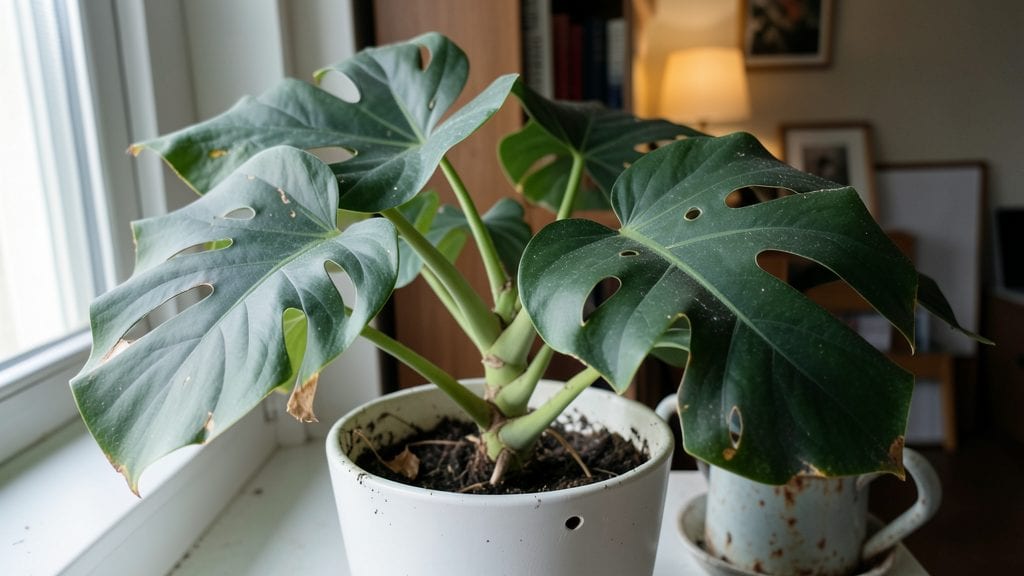
When it comes to questions about plants, the most common revolve around fundamental care—like understanding sunlight needs, establishing consistent watering routines, and selecting the right soil mix for thriving foliage. New gardeners also struggle with spotting early signs of pests, selecting balanced fertilizers, and bringing back plants that look wilted or stressed.
Plant care starts with the basics, but what really sets successful gardeners apart is understanding why those basics matter. 🌱 For example, most plants need 6-8 hours of sunlight daily, but too much direct sun can scorch leaves—especially for tropical varieties.
I’ve seen beginners overwater their plants because they assume "more is better," when in fact many common houseplants prefer slightly dry soil between waterings. The key is matching your plant’s natural habitat to your growing conditions, whether that’s a bright windowsill or a shaded corner.
Beyond care, troubleshooting is where many gardeners hit roadblocks. Yellow leaves often signal overwatering, while brown edges usually mean underwatering or low humidity. Pests like aphids or spider mites are easier to manage when caught early—simply wiping leaves with soapy water can save a struggling plant.
The good news? Most plant problems have simple fixes once you know what to look for, and even experienced gardeners still turn to trusted resources for guidance.
💡 In This Article
- Essential Plant Care Basics for Healthy Growth
- Troubleshooting Common Plant Problems Step-by-Step
Essential plant care basics for healthy growth
Let's start with the science behind why plants thrive—or fail. Photosynthesis, the process that fuels plant growth, requires three key ingredients: sunlight, carbon dioxide, and water. Chlorophyll in leaves captures sunlight energy, converting it into glucose through a chemical reaction that releases oxygen.
This process is most efficient with 6-8 hours of direct sunlight daily, but the exact needs vary by species—succulents like cacti thrive in bright, intense light, while ferns prefer indirect, filtered light to prevent leaf burn. 🌿 The intensity matters because too much UV exposure can damage chlorophyll molecules, reducing the plant's ability to produce energy.
Water isn't just about hydration—it's a delivery system for nutrients. Roots absorb water through osmosis, but the real magic happens in the soil's pH balance.
Most plants prefer a slightly acidic to neutral range (pH 6.0-7.0), where essential nutrients like nitrogen, phosphorus, and potassium become soluble and available. For example, blueberries need pH 4.5-5.5 to access iron, while tomatoes thrive at pH 6.0-6.8.
You can test your soil's pH with a simple kit, and adjust it with lime (to raise pH) or sulfur (to lower it).
The root system's health directly impacts how well a plant can access these nutrients—healthy roots have a spongy texture and white or light tan color, while rotten roots smell foul and turn mushy.
Here's what's actually happening when you see common deficiencies: Yellowing leaves (chlorosis) often signal iron or nitrogen deficiency, while purple stems indicate phosphorus shortages. These visual cues are your plant's way of communicating its needs.
For instance, if your monstera leaves develop brown tips, it's likely due to fluoride buildup from tap water or low humidity—mist the leaves occasionally to restore moisture balance.
The key is observing these patterns over time, as sudden changes often point to environmental stressors like drafts or temperature fluctuations. 🌱 Most houseplants prefer temperatures between 65-75°F during the day and 55-65°F at night, with a 10-15°F difference between day and night mimicking natural seasonal changes.
Let's talk about nutrient absorption—the process where roots act like tiny straws. When soil moisture is just right (not soggy, not bone-dry), roots expand and develop fine root hairs that increase surface area for absorption.
This is why well-draining soil is crucial: compacted or waterlogged soil cuts off oxygen, suffocating roots. A good potting mix contains 25-30% perlite or vermiculite to create air pockets, while organic matter like compost provides slow-release nutrients.
For example, worm castings release nitrogen over 6-8 weeks, while synthetic fertilizers provide an immediate but shorter-lived boost. The balance between these elements determines whether your plant grows lush and vibrant or struggles to survive.
Don't overlook the role of humidity in plant health. Many tropical plants native to 60-80% humidity environments (like peace lilies or calatheas) develop crispy leaf edges in dry indoor air.
You can increase humidity by placing plants on trays of pebbles with water, or grouping them together to create a microclimate. The science here involves transpiration—the process where plants release water vapor through stomata (tiny pores) on leaves.
In dry air, these stomata close to conserve moisture, which also slows photosynthesis and nutrient uptake. 💧 A simple hygrometer can help you monitor humidity levels, with ideal ranges varying by species (e.g., 40-50% for succulents vs. 60-70% for tropicals).
One nuance often overlooked is how growth patterns change with seasons. During spring and summer, plants enter their active growth phase, requiring more frequent watering and fertilization (every 2-4 weeks). In fall and winter, most plants enter dormancy, needing less water and cooler temperatures.
This seasonal adjustment mirrors what happens in nature—trees drop leaves to conserve energy when days grow shorter. Understanding this cycle helps prevent overwatering during winter months, when many plants are already conserving moisture.
The key is matching your care routine to your plant's natural rhythm, whether it's a fast-growing basil plant or a slow-growing snake plant.
Here's a practical tip: Pay attention to your plant's growth rate and leaf color as indicators of overall health. A healthy leaf should be firm to the touch, with vibrant color matching the plant's natural hue.
For example, a deep green monstera leaf with prominent white variegation should never develop yellow patches unless it's a natural aging process.
When in doubt, isolate new plants for 2-4 weeks to monitor for pests before introducing them to your collection—this quarantine period can save your entire garden from an infestation. 🌱 The most successful gardeners treat their plants like they would a beloved pet: observing daily habits, adjusting care as needs change, and celebrating small victories like the first new leaf or bloom.