
Companion Plants
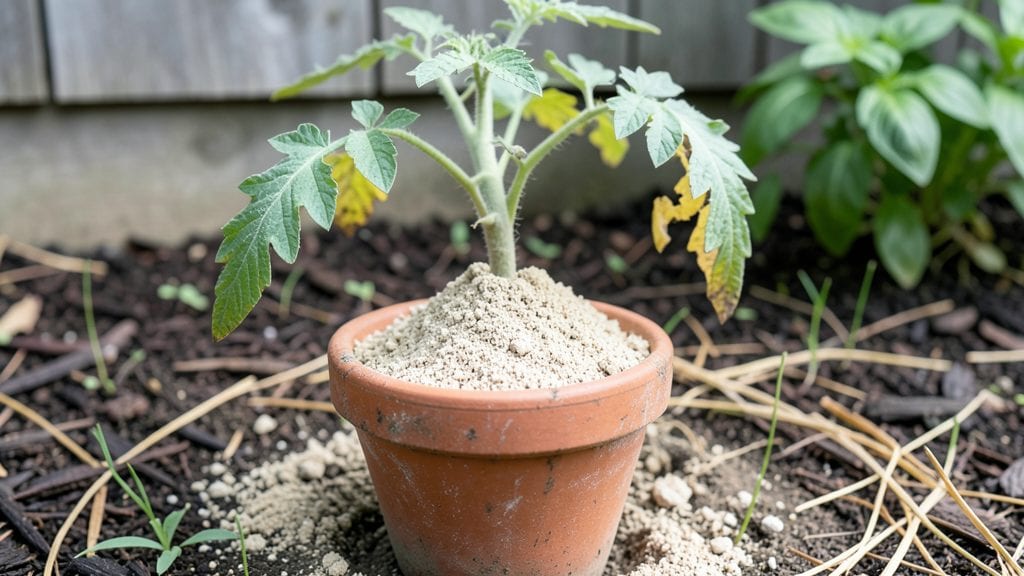
Pyrethrin for plants acts as a fast-acting, organic insecticide derived from chrysanthemum flowers, effectively targeting pests like aphids, mites, and beetles while breaking down quickly in sunlight.
This natural compound disrupts the nervous systems of soft-bodied insects like spider mites and whiteflies, causing rapid paralysis and death. 🔥 Unlike synthetic pesticides, pyrethrin degrades within hours when exposed to sunlight, making it a safer option for organic gardens.
I've found it particularly effective when applied during early morning or late evening hours to avoid harming beneficial pollinators like bees.
What sets pyrethrin apart is its dual action: it provides immediate knockdown of pests while being gentle on plants and the environment. The breakdown process means you won't accumulate toxic residues in your soil or water systems.
For best results, I recommend using it as a preventative spray every 7-10 days during peak pest seasons, especially when you notice early signs of infestation on your most vulnerable plants.
💡 In This Article
- How Pyrethrin Kills Garden Pests
- Best Ways to Use Pyrethrin Sprays on Plants
How pyrethrin kills garden pests
Pyrethrin works by targeting the nervous systems of insects through a specific mechanism called sodium channel disruption. When applied, it binds to voltage-gated sodium channels in nerve cell membranes, preventing them from closing properly.
This causes a continuous influx of sodium ions, leading to uncontrolled nerve firing that results in rapid paralysis and death within minutes. The effect is particularly potent on soft-bodied insects because their exoskeletons don't provide the same protective barrier as harder-shelled pests.
Here's what's actually happening at the cellular level: pyrethrin molecules insert themselves into the lipid bilayer of nerve cell membranes, where they interact with specific receptor sites. This interaction blocks the inactivation gate of sodium channels, keeping them open longer than normal.
The result is a hyper-excited state that overwhelms the insect's nervous system. For example, aphids and spider mites show immediate symptoms like erratic movement and convulsions within 30-60 seconds of exposure, followed by paralysis within 1-2 minutes. 🔥
The rapid knockdown effect distinguishes pyrethrin from many other insecticides that cause delayed death through metabolic poisoning. While some pesticides might take hours or days to kill insects, pyrethrin's mechanism provides almost instant results. This is why gardeners notice visible effects almost immediately after application.
The compound works best on pests with exposed nerve endings, which is why it's more effective against soft-bodied insects like caterpillars and whiteflies than against beetles with their harder exoskeletons.
What most people don't realize is that pyrethrin's effectiveness varies based on insect physiology. Soft-bodied insects have thinner cuticles that allow the compound to penetrate more easily, reaching their nervous systems quickly. Harder-shelled insects, like certain beetles, require much higher concentrations or longer exposure times to achieve the same effect.
This is why you'll often see better results when treating aphids on roses compared to Japanese beetles on your lawn.
The chemical structure of pyrethrin also explains why it breaks down so quickly in sunlight. The compound contains a cyclopropane ring structure that makes it photolytically unstable - when exposed to UV light, it undergoes rapid oxidation that renders it inactive within 24-48 hours.
This sunlight sensitivity is both an advantage (reducing environmental persistence) and a limitation (requiring timely reapplication). For gardeners, this means you'll need to apply pyrethrin-based sprays in the early morning or late evening to maximize effectiveness while minimizing exposure to beneficial insects.
Interestingly, pyrethrin's mechanism differs from that of its synthetic cousin, pyrethroids, which have been chemically modified to resist UV degradation. While pyrethroids can last weeks in the environment, natural pyrethrin's rapid breakdown makes it safer for organic gardening.
The trade-off is that you'll need to monitor your plants more frequently and reapply as needed during peak pest seasons. This frequent application schedule is part of why pyrethrin works best as a preventative measure rather than a treatment for established infestations.
The sensory experience of using pyrethrin is also distinctive. When properly diluted, it has a faint floral scent reminiscent of chrysanthemums, which quickly dissipates as the compound breaks down.
The immediate visual effect on pests is dramatic - you'll often see insects falling from plants within minutes of application, creating a satisfying visual confirmation of its effectiveness. This rapid feedback loop is one reason why gardeners appreciate pyrethrin for its instant gratification compared to slower-acting organic alternatives. ✨