
Pests
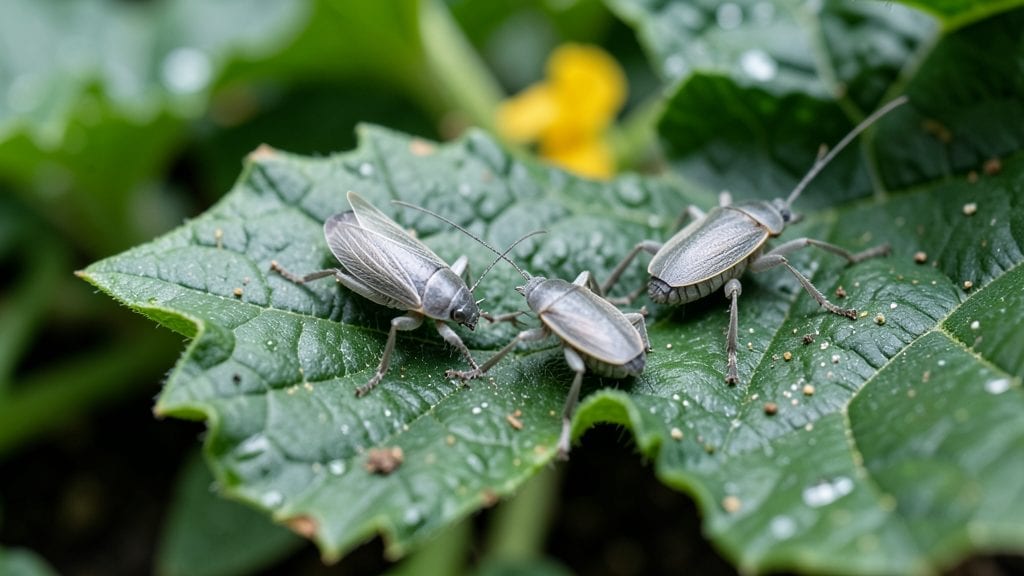
Those grey bugs on squash plants are squash bugs, and they’ll flatten your vines before you know it. 🌿 I’ve seen them turn a thriving patch of zucchini into a sad, wilted mess in just a few weeks, and the key to stopping them is acting fast—before they get established.
The moment you spot their shield-shaped bodies clustered under leaves, you’ve got a small window to save your harvest.
The damage starts with yellowing leaves and stunted growth, then moves to entire vines collapsing. These bugs thrive in warm weather and lay eggs in soil near plants, so if you’ve had them before, they’re probably already hiding in your garden beds.
The good news? You don’t need harsh chemicals to win—just a few targeted steps that actually work.
By the end of this, you’ll know exactly how to trap adults, crush eggs, and protect new plants so your squash thrives all season. No more guessing what’s wrong or watching your plants wither—just clear, actionable moves that get results.
Let’s get those bugs under control before they ruin your harvest.
Whether you’re dealing with a first outbreak or an annual battle, these methods adapt to any garden size. The secret is consistency—check plants weekly, remove eggs early, and keep traps in place. Your squash will thank you with bushels of healthy produce by summer’s end.
Root Causes Behind Grey Invaders
Grey bugs on your squash plants aren’t just a random nuisance—they’re usually the result of specific environmental triggers, plant vulnerabilities, or pest behaviors. Understanding these causes helps you act fast and prevent future outbreaks.
Below, we break down the most common reasons these pests target your squash, cucumbers, and melons, along with the science behind their behavior.
Squash plants under stress—whether from poor spacing, nutrient deficiencies, or disease—become prime targets for grey pests like Stenotarsus spp. (squash bugs) or Anasa tristis (squash bug nymphs). Here’s why:
- Weakened defenses: Stressed plants produce fewer volatile organic compounds (VOCs), which are natural repellents that deter pests. When these chemical signals fade, bugs detect the plant as "easy prey."
- Moisture retention: Overcrowded foliage traps humidity, creating ideal conditions for egg-laying. Grey squash bugs prefer shady, damp areas where their eggs can stay hidden and hydrated.
- Nutrient competition: If your soil lacks nitrogen or potassium, plants divert energy to survival instead of pest resistance. Bugs exploit this by feeding on tender new growth.
💡 Pro Tip: Space squash plants 3–4 feet apart and mulch with straw to reduce soil moisture stress while improving airflow. A balanced fertilizer (10-10-10 ratio) can also bolster plant resilience.
Grey squash bugs don’t just appear—they strategically deposit eggs in spots where predators (like birds or ladybugs) can’t reach. Their favorite hiding places include:
| Location | Why They Choose It |
|---|---|
| Underside of leaves | Dark, humid, and protected from wind/rain. Eggs stay moist and less likely to dry out. |
| Stems and leaf veins | Eggs blend into the plant’s natural texture, avoiding detection by predators. |
| Mulch or garden debris | Organic matter provides insulation and a food source (like decaying plant matter) for hatching nymphs. |
Once eggs hatch, the nymphs (which are also grey or brown) cluster together to share body fluids—a survival tactic that deters predators. This behavior makes them harder to spot until they’ve already caused damage.
Grey squash bugs thrive in stable, warm environments (ideal temps: 75–85°F). They avoid extreme heat or cold, which is why they’re often found:
- Near the soil: Bugs burrow into leaf litter or mulch to regulate body temperature, especially during hot days.
- Under vines: Squash vines create a microclimate where humidity stays high and temperatures remain moderate—perfect for egg development.
- In greenhouses or row covers: Artificial shelters trap heat and moisture, accelerating bug reproduction cycles.
🌡️ Key Insight: If your garden has south-facing squash hills or areas shielded by taller plants, these spots become "bug hotspots." Monitoring these zones early in the season can prevent outbreaks.
Grey squash bugs face few natural enemies in most home gardens. While predators like spider mites, big-eyed bugs, or parasitic wasps might target their eggs, these predators often aren’t present in sufficient numbers due to:
- Pesticide use: Broad-spectrum chemicals (like neonicotinoids) kill beneficial insects first, leaving squash bugs unchecked.
- Monoculture gardening: Planting only squash or cucumbers removes the diversity that attracts predator species (e.g., dill or fennel for parasitic wasps).
- Urban/suburban isolation: Gardens in developed areas lack the wild habitat where predator populations thrive.
✨ Eco-Friendly Fix: Introduce companion plants like nasturtiums (which repel squash bugs) or marigolds (which attract predatory mites). Avoid synthetic pesticides to preserve the food web.
By addressing these root causes—stress, hiding spots, climate, and predator imbalance—you can disrupt the grey bug life cycle before they become a full-blown infestation. The next step? Learn how to spot them early and set up targeted defenses.
Quick Fixes for Squash Plant Pests
Now that you’ve identified the culprits—likely squash bugs or spider mites—it’s time to act! These pests can devastate your garden if left unchecked, but with the right strategies, you can protect your squash plants and keep them thriving.
Below, we’ll break down practical, step-by-step solutions tailored to the most common causes of grey bugs on your squash plants.
Squash bugs are stubborn but manageable with a mix of manual removal and preventative traps. Here’s how to tackle them:
👨🍳 Step 1: Handpick Adults and Eggs
- When to do it: Early morning (bugs are sluggish) or after rain (they’re easier to spot).
- How to do it:
- Wear gloves and inspect the undersides of leaves, stems, and near the base of plants.
- Look for flat, greyish-brown bugs (adults) or pale yellow egg clusters (laid on leaf edges).
- Drop adults into soapy water (a bucket with a few drops of dish soap) to kill them instantly.
- Scrape off egg masses with your fingernail or a plastic card and dispose of them in a sealed bag.
🥘 Step 2: Set Up Beer Traps (Yes, Really!)
- Why it works: Squash bugs are attracted to fermented smells—beer traps lure and drown them.
- How to make it:
- Bury a small container (like a plastic cup) in the soil near your plants.
- Fill it with beer or a mix of water + a little molasses.
- Cover the top with cardboard or plastic wrap (poke small holes for entry).
- Check and refresh the trap every 2–3 days.
⏰ Step 3: Use Row Covers for Prevention
- Best for: Long-term protection, especially if squash bugs are a recurring issue.
- How to do it:
- Install lightweight row covers (like floating fabric tunnels) over young plants.
- Secure edges with soil or bricks to prevent bugs from crawling underneath.
- Remove covers when plants flower to allow pollination (or hand-pollinate if needed).
💡 Pro Tip:
If squash bugs are severe, consider neem oil or insecticidal soap as a last resort—but only after handpicking, as these sprays can harm beneficial insects. Apply in the early morning or evening to avoid killing bees.
Spider mites are tiny but destructive, sucking sap and leaving behind fine webbing on leaves. Here’s how to knock them out without harming your plants:
🔪 Step 1: Blast Them Off with Water
- Why it works: Spider mites hate moisture and are lightweight—strong water pressure washes them away.
- How to do it:
- Use a hose with a nozzle or a spray bottle filled with water.
- Focus on the undersides of leaves (their favorite hiding spot).
- Do this every 2–3 days until you see improvement (usually 1–2 weeks).
🌡️ Step 2: Increase Humidity (They Hate It!)
- Why it works: Spider mites thrive in dry, hot conditions.
Boosting humidity makes your plants less appealing. - How to do it: - Mist plants daily (especially in hot climates). - Mulch around the base to retain soil moisture. - Place a shallow tray of water near plants to increase local humidity.
🎯 Step 3: Introduce Predatory Insects
- Best for: Long-term, eco-friendly control.
- How to do it:
- Release predatory mites (Phytoseiulus persimilis) or lacewings (sold at garden centers).
- These natural enemies devour spider mites without harming your squash.
- Follow package instructions for release timing and conditions.
✨ Pro Tip:
If mites are already established, neem oil or horticultural oil can help. Mix 1 tsp neem oil + 1 tsp mild soap per quart of water and spray evenly on both leaf sides. Reapply every 5–7 days until mites disappear.
The best defense is a strong offense. Use these proactive strategies to keep grey bugs off your squash plants:
| Tip | How to Do It | Why It Works |
|---|---|---|
| Rotate crops | Avoid planting squash in the same spot yearly. | Breaks the pest life cycle. |
| Remove debris | Clear old plant matter after harvest. | Eliminates hiding spots for overwintering bugs. |
| Plant companion crops | Interplant with nasturtiums, marigolds, or basil. | Repels pests naturally. |
| Monitor regularly | Check plants weekly for early signs. | Catches infestations before they spread. |
| Use reflective mulch | Cover soil with silver or aluminum mulch. | Confuses pests and deters egg-laying. |
Final Note: Consistency is key! Whether you’re handpicking squash bugs or blasting spider mites with water, stay vigilant and act fast. With these methods, your squash plants will stay healthy, and you’ll enjoy a bountiful harvest—bug-free! 🎉
Frequently asked questions
Are those grey bugs on my squash plants actually squash bugs?
Most grey bugs on squash are either squash bugs (adults) or their nymphs, which are smaller but still grey-brown. Look for their shield-shaped bodies or pale yellow egg clusters along leaf edges. Spider mites (tiny grey dots with webbing) are another possibility.
How do I know if the damage is from grey bugs or another issue?
Grey bugs cause distinctive wilting—leaves turn yellow/brown and crispy near the edges while veins stay green. Check for tiny black droppings (frass) or fine webbing (if spider mites). Fungal spots or powdery mildew would look different.
Can I use neem oil on squash plants with grey bugs?
Yes, but only after removing eggs/bugs manually first. Mix 1 tsp neem oil + 1 tsp mild soap per quart of water and spray evenly on both leaf sides in the evening. Reapply every 5–7 days—it won’t kill eggs but disrupts their lifecycle.
Will beer traps really work for squash bugs?
Bury a small container filled with beer near plants—squash bugs are attracted to the smell and drown. Refresh every 2–3 days for best results. It’s a chemical-free way to reduce adult populations quickly.
How can I prevent grey bugs next season?
Start with crop rotation (don’t plant squash in the same spot yearly) and use reflective mulch (silver plastic confuses bugs). Plant nasturtiums or marigolds nearby as natural repellents. Check plants weekly for early signs.