
Companion Plants
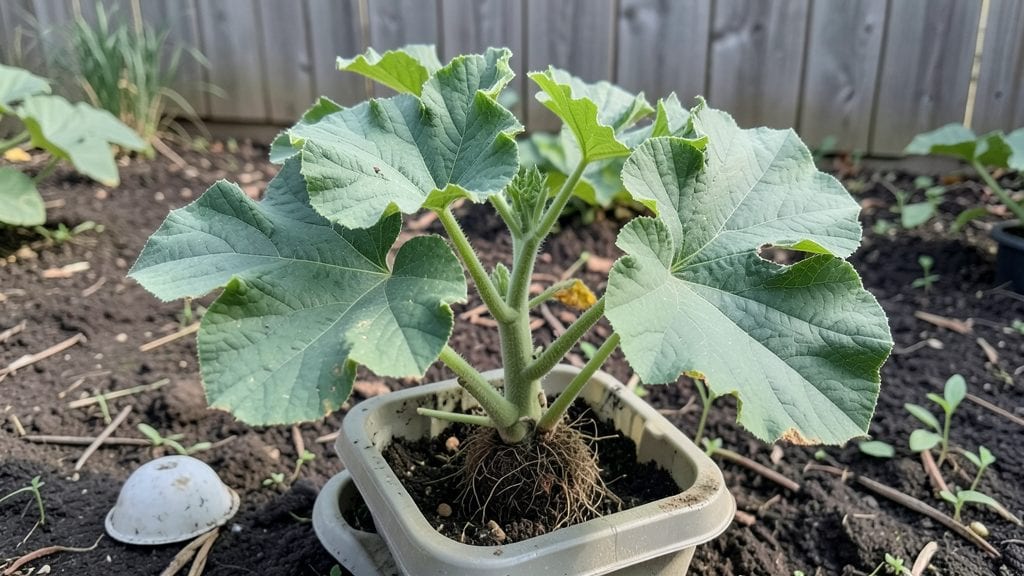
Pumpkin starter plants cut your growing season in half—no more waiting months for seeds to sprout. 🌱 I’ve tested everything from peat pots to heat mats, and these tricks ensure your vines burst from the soil strong and ready to run by planting time.
The secret isn’t fancy equipment—it’s warmth, moisture, and patience. Start seeds indoors 4-6 weeks before last frost, using a mix of 50% peat, 30% perlite, and 20% compost to prevent damping off.
Keep soil at 85-90°F with a heating mat, and watch for those first leaves in 5-7 days.
Transplant when vines have 3-4 true leaves, hardening them off first to avoid shock. Space 3-4 feet apart in full sun, and water deeply at the base—never overhead—to keep roots happy. By midsummer, you’ll have vines sprawling 10+ feet with pumpkins the size of footballs.
This works for all pumpkin varieties, from small sugar pies to giant carving types. Skip the seed-starting guesswork—these methods guarantee a head start on neighbors still waiting for germination. Let’s get those starters growing!
What Stalls Your Seedlings Growth
Even with the best pumpkin starter plants, slow or stunted growth can be frustrating—especially when you’re eager to see those sprawling vines take over your garden.
Understanding the root causes (literally and figuratively) helps you fix the issue fast. Here’s why your seedlings might be lagging behind and how to turn things around.
Pumpkins are heavy feeders, and if your soil lacks the right balance of nutrients, water retention, or organic matter, your starter plants will struggle from day one. Here’s what’s likely happening:
- Compacted or clay-heavy soil: Roots can’t breathe or spread easily, leading to stunted growth. Pumpkins need loose, well-aerated soil to establish strong root systems.
- Low organic matter: Without compost or aged manure, soil lacks the slow-release nutrients pumpkins crave. Organic matter also improves water retention and microbial activity.
- Incorrect pH levels: Pumpkins thrive in slightly acidic to neutral soil (pH 6.0–7.0). If your soil is too alkaline (high pH) or acidic (low pH), nutrient uptake suffers, and growth slows.
Actionable fix: Test your soil’s pH and amend it with sulfur (to lower pH) or lime (to raise it). Mix in 2–3 inches of compost or well-rotted manure before planting. For container starters, use a high-quality seed-starting mix with perlite or vermiculite to improve drainage.
Pumpkin seeds and seedlings are sensitive to temperature swings. If conditions are too hot or too cold, germination slows, and young plants weaken.
- Cold soil: Pumpkin seeds need soil temperatures of at least 60–65°F (15–18°C) to germinate properly. Cooler soil delays sprouting and weakens seedlings.
- Heat stress: While pumpkins love warmth, soil temps above 90°F (32°C) can cook seeds before they sprout or cause seedlings to bolt (shoot up too fast with weak stems).
- Nighttime chills: Temperatures dropping below 50°F (10°C) at night can stunt growth or even kill tender seedlings.
Actionable fix: Use a soil thermometer to monitor temperatures. For early starts, use a heat mat (set to 70–80°F) under seed trays. If nights are cool, cover seedlings with a floating row cover or move them to a warmer spot like a greenhouse or sunny windowsill.
Pumpkin seedlings are finicky about moisture—too much or too little can derail growth. Overwatering or underwatering both create stress that slows development.
- Underwatering: Pumpkin roots need consistent moisture to grow. Dried-out soil causes roots to shrink and stunts shoot growth. Seedlings may also develop wilting or crispy leaves.
- Overwatering: Soggy soil cuts off oxygen to roots, leading to root rot (a fungal infection that turns roots black and mushy). This kills seedlings before they can thrive.
- Inconsistent moisture: Fluctuations in water levels stress plants, causing them to divert energy to survival instead of growth.
Actionable fix:
- Water starter plants at the soil level (not overhead) to keep leaves dry and prevent disease.
- Use a moisture meter or stick your finger 1 inch into the soil—if it’s dry, water; if it’s damp, wait.
- For containers, ensure pots have drainage holes and use saucers to catch excess water (empty them after 10 minutes).
- Mulch around seedlings with straw or shredded leaves to retain moisture and regulate soil temperature.
Even before your pumpkin plants are established, hidden threats like pests or pathogens can sap their energy and stunt growth.
- Seedling pests: Tiny insects like aphids, cutworms, or slugs chew on young leaves and stems, weakening plants. Cutworms, in particular, can sever seedlings at the base.
- Fungal diseases: Damping-off (a soil-borne fungus) causes seedlings to wilt and collapse at the stem. Overcrowded or damp conditions encourage its spread.
- Bacterial infections: Bacterial soft rot or blight can appear as yellowing leaves, oozing stems, or stunted growth if introduced via contaminated soil or tools.
Actionable fix:
- Inspect seedlings daily for pests. Use neem oil or insecticidal soap for aphids; create a cutworm collar (a cardboard ring around the stem) to protect from chewing.
- Sterilize pots and tools with a 10% bleach solution (1 part bleach to 9 parts water) to prevent disease spread.
- Avoid overcrowding seedlings—space them 1–2 inches apart in trays to improve airflow and reduce humidity (which fuels fungi).
Pumpkins are hungry plants, and if your starter mix lacks key nutrients, growth will slow dramatically. Common deficiencies include:
| Nutrient | Deficiency Signs | Why It Happens |
|---|---|---|
| Nitrogen (N) | Pale yellow leaves, stunted stems, slow vine growth | Nitrogen fuels leafy growth. Low levels in soil or starter mix limit energy for new foliage. |
| Phosphorus (P) | Dark green or purple-tinged leaves, weak roots, delayed flowering | Phosphorus is crucial for root development and energy transfer. Deficiencies often occur in overly acidic or sandy soils. |
| Potassium (K) | Yellowing leaf edges, weak stems, susceptibility to disease | Potassium strengthens cell walls and regulates water uptake. Lack of it makes plants prone to stress. |
| Magnesium (Mg) | Interveinal chlorosis (yellowing between leaf veins), crispy edges | Magnesium is central to chlorophyll production. Deficiencies often appear in compacted or overly tilled soils. |
Actionable fix: Use a balanced fertilizer (like 10-10-10) at half-strength when seedlings have 2–3 true leaves. For organic options, try fish emulsion (high in nitrogen) or bone meal (rich in phosphorus). If soil tests reveal specific deficiencies, target them with supplements like Epsom salt (for magnesium) or greensand (for potassium).
Quick fixes for stubborn seedlings
Even the most patient gardener can hit a snag with pumpkin starter plants—whether seeds refuse to sprout, seedlings wilt, or growth stalls. The good news?
Most issues have simple, fast solutions. Below, we’ve mapped common problems to their fixes, plus prevention tips to keep your vines thriving from day one. 🌱💪
Cause: Seeds need consistent warmth (70–90°F) and moisture to break dormancy. Cold soil or uneven watering can stall germination.
Fix:
- 🔥 Use a seedling heat mat (or place trays on top of a fridge) to maintain warmth. A simple DIY hack: Cover seeds with a clear plastic dome or wrap the pot in a towel to trap heat.
- 💧 Soak seeds overnight in lukewarm water before planting to kickstart hydration. Drain well to avoid rot.
- 🌡️ Check soil moisture daily—keep it damp (not soggy) by misting lightly or using a spray bottle. A moisture meter helps avoid guesswork.
Prevention:
Plant seeds in well-draining, pre-warmed soil (microwave a bag of potting mix for 2–3 minutes to speed up the process). Use a seed-starting mix with perlite or vermiculite to improve aeration.
Cause: Stretching toward light or poor support causes spindly stems. Overcrowding or insufficient light worsens the issue.
Fix:
- 💡 Move trays to a sunniest spot—south-facing windowsills or under grow lights (12–16 hours/day). Rotate pots daily for even growth.
- 👨🍳 Fertilize lightly with a diluted fish emulsion or seaweed extract (half-strength) to strengthen stems without burning.
- 🪑 Add support early: Use toothpicks or small stakes to prop up seedlings if they topple. For extra stability, bury a popsicle stick beside each plant as it grows.
Prevention:
Thin seedlings to 12–18 inches apart once they have 2–3 true leaves. Avoid overwatering—soggy soil weakens roots. Harden off seedlings gradually by exposing them to outdoor conditions for 1–2 hours daily after 2 weeks.
Cause: Yellowing leaves often signal root rot (from overwatering) or a lack of nitrogen/magnesium.
Fix:
- 💧 Adjust watering habits: Let the top inch of soil dry out between waterings. Use pots with drainage holes and saucers to catch excess water.
- 🌿 Flush the soil with water to remove salt buildup (common in tap water). Follow up with a balanced fertilizer (10-10-10) or Epsom salt spray (1 tbsp per gallon) for magnesium.
- 🔪 Prune damaged leaves with sterilized scissors to redirect energy to healthy growth.
Prevention:
Use rainwater or distilled water if your tap water is hard. Mulch around seedlings with straw to retain moisture without suffocating roots. Monitor humidity—pumpkin plants thrive in 60–70% humidity.
Cause: Soft new growth attracts pests like aphids or striped cucumber beetles, which chew leaves and spread disease.
Fix:
- 💦 Blast pests off with a strong stream of water from a hose. Repeat every 2–3 days for severe infestations.
- 🌿 Apply neem oil (1 tbsp per quart of water) as a spray. Reapply after rain. For beetles, use row covers made of lightweight fabric.
- 🐝 Encourage predators: Plant nearby marigolds or dill to attract ladybugs and lacewings, which devour pests.
Prevention:
Inspect seedlings daily for eggs or pests. Remove affected leaves immediately. Avoid nitrogen-heavy fertilizers, which attract soft-bodied insects.
Cause: Pumpkin seedlings grow best in 75–85°F soil. Cooler temps or compacted soil slow development.
Fix:
- 🌡️ Warm the soil by covering it with black plastic mulch or a dark tarp for 24–48 hours before planting. Remove it afterward to avoid overheating.
- 🔄 Loosen the soil gently with a fork or your fingers to improve root penetration. Add compost or aged manure for nutrients.
- ⏰ Be patient with transplant shock: If moving seedlings outdoors, wait until nighttime temps stay above 50°F.
Prevention:
Start seeds indoors 2–4 weeks before last frost (use a seedling heat mat if your home is chilly). Transplant on a cloudy day to reduce stress.
Pro Tip: 🌟 Keep a seedling journal to track watering, light, and growth. Note what works (or fails) for next season!
Frequently asked questions
How long does it take for pumpkin starter plants to be ready for transplanting?
Pumpkin starter plants typically need 4-6 weeks indoors before transplanting, once they develop 3-4 true leaves. This timing ensures strong roots and sturdy vines ready to handle outdoor conditions. Start seeds 4-6 weeks before last frost for best results.
Can I use regular potting soil for pumpkin starter plants?
No, regular potting soil is too dense and lacks the drainage pumpkin seedlings need. Use a lightweight seed-starting mix with 50% peat, 30% perlite, and 20% compost to prevent damping-off disease. This blend stays moist but drains excess water.
What's the best way to harden off pumpkin seedlings before planting?
Start by placing seedlings outdoors in partial shade for 1-2 hours on day 1, gradually increasing exposure by 1-2 hours daily over 7-10 days. This acclimates them to wind, sun, and temperature changes. Avoid full sun during hardening off to prevent scorching.
How do I prevent leggy pumpkin starter plants?
Leggy seedlings result from insufficient light. Move trays to the sunniest window or use grow lights 12-16 hours/day. Rotate pots daily for even growth. Thin crowded seedlings to 12-18 inches apart and fertilize lightly with half-strength fish emulsion.
What's the ideal spacing for transplanted pumpkin plants?
Space small pumpkin varieties 3-4 feet apart in all directions, while larger varieties need 5-6 feet. Pumpkins spread aggressively, so give them room to sprawl. Use trellises for bush varieties to save space, but most pumpkins prefer ground-level growing.