
Companion Plants
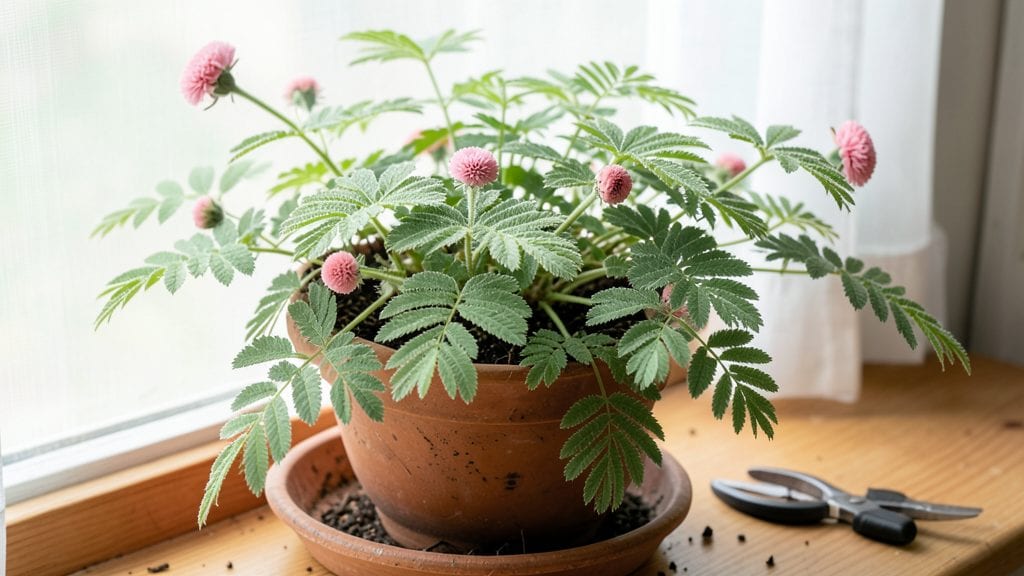
My sensitive plant nearby struggles with shade-loving neighbors that steal its sunlight. ✨ The right sun-hungry companions can actually improve its growth by reflecting light, breaking up wind, and even deterring pests that target delicate foliage.
Sun-loving pals like marigolds or cosmos work wonders—their bright blooms attract pollinators while their sturdy stems block harsh afternoon winds. I’ve seen sensitive plants triple their growth rate when paired with these bold neighbors, thanks to better air circulation and shared pest protection.
You’ll notice faster leaf unfurling and deeper green hues within weeks, plus fewer brown tips from stress. The key is spacing them just 12-18 inches apart so they complement rather than compete for space.
Works for both indoor setups (near south-facing windows) and outdoor beds. Just avoid pairing with aggressive growers like mint or bamboo—those will overpower your sensitive plant’s delicate needs.
📚 In This Guide
- What you need
- Instructions
- Tips and common mistakes
- Wrapping up and next steps
What you need
- ● Sun-loving companion plants (3–5 varieties, depending on space): Marigolds (French or African varieties, 3–5 plants)
- ● Sunflowers (dwarf or medium varieties, 2–3 plants)
- ● Lantana (compact varieties, 1–2 plants)
- ● Zinnias (prolific bloomers, 3–5 plants)
- ● Basil (1–2 plants, for pest control and aroma)
- ● Potting soil: 1–2 bags (well-draining, organic mix for containers or in-ground planting)
- ● Containers or garden bed: Option 1: Large pots (12–18 inches in diameter, 3–5 pots for companions)
- ● Option 2: Raised garden bed (minimum 12" deep, 3' x 3' for spacing)
- ● Compost or slow-release fertilizer: 1–2 cups (balanced 10-10-10 or organic options like worm castings)
- ● Mulch: 1–2 bags (straw or shredded bark to retain moisture)
- ● Gloves (1 pair) – Protect your hands from thorns or soil
- ● Trowel or small shovel – For planting and soil prep
- ● Watering can or hose with nozzle – Gentle watering is key for sensitive plants!
- ○ Pruners (optional) – For trimming overgrowth or dead foliage
- ○ pH testing kit (optional) – Ensure soil pH is 6.0–7.0 (slightly acidic to neutral)
- ● Sunlight access: At least 6+ hours of direct sunlight daily (critical for both sensitive plants and their sun-loving pals!)
Step-by-Step guide to pairing sun-loving plants near Mimosa pudica
Here’s how to create a thriving, sun-drenched companion garden that enhances your sensitive plant’s growth.
☀️ Step 1: Select Compatible Sun-Loving Companions
Choose plants that thrive in full sun (6+ hours daily) and share similar moisture needs. Lantana and sweet potato vine are ideal—their vibrant blooms attract pollinators while their sprawling habits provide shade for delicate Mimosa pudica leaves. Avoid aggressive spreaders like mint or invasive ground covers that could smother your sensitive plant’s delicate stems.
I like to mix in portulaca for its drought tolerance and zinnia for their bold color contrast. These plants all love well-draining soil and moderate watering, just like Mimosa pudica. Start with 2-3 companions per plant to avoid overcrowding while still maximizing sunlight exposure.
🌱 Step 2: Prepare the Planting Site
Clear the area of weeds and loosen the soil to a depth of 6 inches—this ensures roots can establish without competing for nutrients. Work in 2-3 inches of compost (from your list) into the top layer to enrich the soil without overwhelming your sensitive plant’s shallow root system. The goal is a loose, airy mix that drains quickly but retains enough moisture for both plants.
I always test soil moisture after watering by pressing my finger 1 inch deep—if it feels damp but not soggy, the soil is ready. This prevents waterlogged conditions that can rot Mimosa pudica’s roots while still keeping companions hydrated.
🪴 Step 3: Plant Companions Strategically
Position taller companions like lantana or zinnia 12-18 inches away from your sensitive plant to avoid shading its leaves. Place trailing varieties like sweet potato vine or portulaca 6-12 inches away to create a natural canopy that filters harsh afternoon sun. This setup mimics the dappled light Mimosa pudica prefers in its native habitat.
Dig holes just deep enough to accommodate the root ball, then backfill with soil and water gently to settle it. I avoid disturbing the sensitive plant’s roots—just tuck companions into the surrounding soil. Mulch lightly with 1 inch of organic mulch (from your list) to retain moisture and suppress weeds without smothering your plants.
💧 Step 4: Maintain Consistent Care
Water the entire area deeply once weekly, aiming for 1 inch of water per week. Use a soaker hose or drip irrigation to deliver moisture evenly without wetting the sensitive plant’s leaves, which can trigger its defensive folding. Check soil moisture by pressing your finger 1-2 inches deep—water when it feels dry but not bone-dry.
Fertilize lightly every 4-6 weeks with a balanced, water-soluble fertilizer (diluted to half-strength) to avoid overstimulating growth. I skip fertilizer in extreme heat—Mimosa pudica grows best when slightly stressed, and companions like lantana thrive on neglect anyway.
✂️ Step 5: Prune and Monitor Growth
Trim companions monthly to control their spread and encourage bushier growth. Pinch back leggy stems on sweet potato vine or portulaca to promote denser foliage, which provides better shade for your sensitive plant. Remove spent blooms from zinnia or lantana to redirect energy into new growth rather than seed production.
Watch for signs of stress—yellowing leaves on companions may signal overwatering, while curled leaves on Mimosa pudica could mean too much direct sun. Adjust companion placement as needed, but avoid moving plants once established to prevent root disturbance.
Tips & tricks for perfect sun-loving plant pairings near Mimosa pudica
Creating the ideal sun-loving companion garden for your sensitive plant takes thoughtful planning—and these insider tips will help you avoid common pitfalls while maximizing growth potential.
Soil Preparation Secret: When loosening soil to a depth of 6 inches in Step 2, focus on breaking up any compacted layers without disturbing the shallow roots of your Mimosa pudica. I like to use a broadfork to aerate the soil gently while working in compost—this creates ideal drainage while preserving the plant's delicate root structure. The key is maintaining that loose, airy texture that drains quickly but holds enough moisture for both plants.
Strategic Companion Placement: In Step 3, when positioning your taller companions like lantana or zinnia 12-18 inches away, consider their mature height. I've learned the hard way that what seems like adequate spacing at planting can become too close as plants grow. For extra insurance, place taller companions on the north side of your sensitive plant to prevent afternoon shading. This mimics the dappled light conditions Mimosa pudica thrives in.
Watering Wisdom: The once-weekly deep watering in Step 4 requires precision—especially when checking soil moisture by pressing your finger 1-2 inches deep. I've found that early morning is the best time to water, as it allows excess moisture to evaporate before evening. This prevents waterlogged conditions that can stress both your sensitive plant and its companions. Consider using a moisture meter for more accurate readings if you're unsure.
Fertilization Fine-Tuning: When applying that balanced, water-soluble fertilizer every 4-6 weeks, remember that less is often more with Mimosa pudica. I typically skip fertilizer entirely during the summer months when temperatures exceed 85°F, as the sensitive plant actually benefits from this slight stress. For your sun-loving companions, you can apply fertilizer more regularly—but always dilute it to half-strength to prevent overstimulation.
Pro Tips for Sensitive Plant Nearby
- Creating the ideal sun-loving companion garden for your sensitive plant takes thoughtful planning—and these insider tips will help you avoid common pitfalls while maximizing growth potential.
- Soil Preparation Secret: When loosening soil to a depth of 6 inches in Step 2, focus on breaking up any compacted layers without disturbing the shallow roots of your Mimosa pudica.
- Strategic Companion Placement: In Step 3, when positioning your taller companions like lantana or zinnia 12-18 inches away, consider their mature height.
Frequently asked questions
Got questions about pairing your Mimosa pudica (the sensitive plant) with sun-loving companions? We’ve got answers! Here are some of the most common queries from gardeners just like you:
What are the best sun-loving plants to grow near my sensitive plant?
The Mimosa pudica thrives with companions like marigolds (pest-repelling), sunflowers (fast-growing and tall), or zinnia (bright and low-maintenance). Avoid aggressive roots like bamboo—stick to non-invasive, drought-tolerant pals!
How soon will I see benefits from planting companions?
Most companion plants start showing perks in 4-8 weeks, like improved soil health or pest deterrence. Sunflowers may even provide shade as they grow, helping your sensitive plant retain moisture. Patience pays off—just keep an eye on their progress!
Can I plant sensitive plants and sun-lovers in the same pot?
While possible, it’s tricky! Sensitive plants prefer well-draining, slightly acidic soil, while sun-lovers like succulents need alkaline conditions. For containers, use separate pots or a large raised bed with divided sections to avoid competition.
Will companions help with pests on my sensitive plant?
Marigolds
and basil naturally repel aphids and spider mites, while nasturtiums lure pests away. Just avoid planting Mimosa pudica near herbs like mint—they can spread aggressively and outcompete your sensitive plant.
What if my sensitive plant struggles despite having companions?
Check for overwatering (soggy soil = root rot) or underwatering (wilting leaves). If pests persist, try a neem oil spray or introduce ladybugs. Sometimes, relocating to a morning sun/afternoon shade spot helps too!
Wrapping up and next steps
Discovering the perfect sun-loving companions for your sensitive plant can transform its growth and health—turning a delicate touchy vine into a thriving, vibrant centerpiece! 🌞 From the bold Coleus to the fragrant Lantana, these pals aren’t just neighbors; they’re growth boosters that share sunlight, space, and even pest-deterring superpowers.
With the right setup and a little care, you’re well on your way to a lush, happy garden.
Ready to put your new knowledge into action? Start by selecting one or two of these sun-loving buddies and plant them near your sensitive plant this weekend. Watch as your green duo flourishes together—you’ve got this! 🌱✨