
Pruning
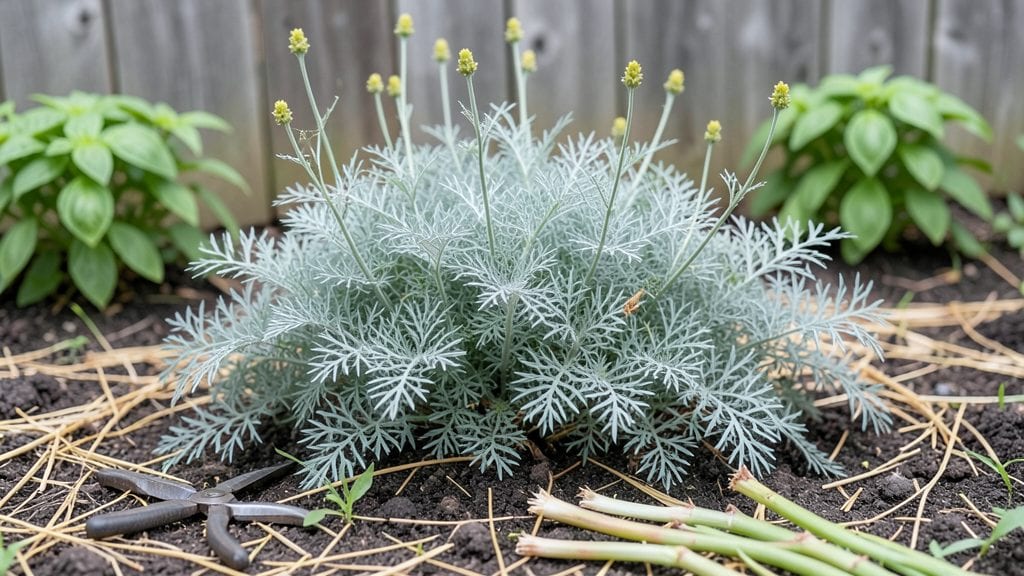
Pruning tarragon plants keeps them lush, fragrant, and productive—but I used to cut back at the wrong times and end up with woody stems and weak flavor. ✨ The secret lies in three strategic trims: spring, summer, and late fall, each designed to encourage fresh, tender growth while preserving that signature anise-like taste.
You’ll need sharp pruning shears, a clean cutting board, and about 10 minutes per plant. The right tools prevent crushing stems, which invites disease.
Focus on removing leggy growth, spent flowers, and any branches thicker than a pencil—those are your plant’s way of saying, "I’m getting old." Tarragon responds best to light, frequent cuts rather than one heavy pruning.
After just 4-6 weeks of proper pruning, you’ll notice new shoots bursting with vibrant green leaves and that classic tarragon aroma. The flavor stays strong because you’re always cutting back to younger growth, where the essential oils are most concentrated.
Plus, your plant will stay compact, making it easier to harvest and maintain.
This method works for both French tarragon (the perennial favorite) and Russian tarragon (the hardier annual). Whether you’re growing in pots or garden beds, the same principles apply—just adjust timing slightly for your climate. Let’s get those plants thriving!
📚 In This Guide
- What you need
- Instructions
- Tips and common mistakes
- Wrapping up and next steps
What you need
- ● Clean, sharp pruning shears – Bypass pruners (4-6 inches long) with stainless steel blades to avoid crushing stems.
- ● Rubbing alcohol (70% isopropyl) – 1 small bottle (2 oz) for sterilizing tools between cuts.
- ● Garden gloves – 1 pair (nitrile or leather) to protect hands from thorns and sap.
- ○ Compost bin or bag – For clippings (optional: add to compost or discard if diseased).
- ● Watering can or hose – To hydrate the plant post-pruning.
- ● Pruning saw – For thicker stems (rare in tarragon but useful for older plants).
- ● Plant food (balanced fertilizer) – 1 small bottle (e.g., 16 oz) to boost growth after trimming.
- ○ Disinfectant spray (optional) – For sanitizing tools if alcohol isn’t available.
- ● Notebook & pen – To track pruning dates and plant progress!
How to prune tarragon for bushier growth and fresh leaves
Tarragon thrives with strategic cuts—here’s my method for keeping it lush and productive all year.
🌿 Step 1: Trim Back After Spring Flush
Once your tarragon sends out its first 3-4 inches of new growth in early spring, it’s time for the first cut. Use sharp pruning shears to snip back about 1/3 of the plant’s height, cutting just above a leaf node where new shoots will emerge. This encourages bushier growth and prevents legginess.
I always prune on a dry morning after the dew has evaporated—tarragon’s leaves are more resilient then. Avoid cutting into woody stems; focus on the green, flexible growth. You’ll see fresh, vibrant shoots within 2-3 weeks if the plant gets 6+ hours of sun daily.
✂️ Step 2: Lightly Harvest Leaves Through Summer
During the growing season, pinch off individual stems or leaves as needed for cooking. Never take more than 20% of the plant at once—tarragon recovers slowly from heavy harvesting. I like to harvest the younger, more tender leaves from the top of the plant, leaving the lower growth intact.
If you notice any yellowing or browning leaves, trim those off immediately to redirect the plant’s energy. Tarragon hates wet foliage, so avoid pruning after watering—wait until the leaves are dry to touch. Regular light trims keep the plant dense and prevent it from flowering too early.
🌱 Step 3: Cut Back for Winter Hardiness
In late fall, before the first frost, give your tarragon a final 1/3 height reduction. This helps the plant conserve energy over winter and promotes stronger regrowth in spring. Cut back to about 6-8 inches tall, leaving a few healthy stems to protect the crown.
I mulch around the base with 2-3 inches of straw or shredded leaves to insulate the roots—tarragon’s rhizomes can survive 10°F with this extra protection. Avoid heavy pruning in winter unless the plant looks dead; tarragon often looks dormant but regrows when temperatures warm.
⏰ Step 4: Revive in Early Spring
As soon as you see new shoots in early spring, give the plant a light trim to shape it and remove any dead or damaged growth. This is also the time to divide clumps if your tarragon has outgrown its space. Dig up the plant, separate the rhizomes, and replant the healthiest sections.
Water deeply after dividing to help the roots establish. Tarragon grows slowly, so don’t rush the process—it’ll reward you with fragrant leaves for years if you keep it trimmed and well-cared-for. I’ve had the same plants thrive for over a decade with this routine!
Tips & tricks for pruning tarragon plants
Between us, these small tweaks will transform your tarragon from a straggly survivor to a fragrant powerhouse that keeps giving all year.
Timing is Everything: The early spring trim in Step 1 is your golden opportunity to shape the plant's future growth. Look for those first 3-4 inches of new growth—this is your cue to act. I've learned the hard way that waiting too long means you're cutting into woody stems instead of the tender new shoots. The plant will reward you with bushier growth in just 2-3 weeks if you time it right.
Harvesting Strategy: Step 2 isn't just about harvesting—it's about teaching your tarragon good habits. When you pinch off those individual leaves, you're encouraging the plant to grow more leaves at the base. Here's what nobody tells you: the 20% harvesting rule is non-negotiable. I've seen tarragon plants completely stressed after aggressive harvesting, and it takes years to recover. Harvest from the top down, leaving the lower leaves to photosynthesize and keep the plant healthy.
Winter Protection: That 10°F survival threshold in Step 3 is where tarragon shows its toughness. The real secret isn't just the mulch—it's the timing. Cut back before the first frost, not after. I've seen tarragon plants frozen solid because they were left too tall into winter. The 6-8 inch height after pruning gives the plant just enough protection while still allowing sunlight to reach the crown in spring. Don't be tempted to go shorter—you need those stems to protect the crown during winter dormancy.
Division Technique: Step 4's division process is where you can multiply your tarragon plants for free. When you dig up those clumps, look for rhizomes that are at least 3 inches long with multiple growth points. The key is to separate them carefully—don't tear the rhizomes. I've found that plants divided in early spring establish better than those divided in fall. Water deeply right after replanting, but don't overwater—the roots need air too.
Pro Tips for Pruning Tarragon Plant
- Between us, these small tweaks will transform your tarragon from a straggly survivor to a fragrant powerhouse that keeps giving all year.
- Timing is Everything: The early spring trim in Step 1 is your golden opportunity to shape the plant's future growth.
- Harvesting Strategy: Step 2 isn't just about harvesting—it's about teaching your tarragon good habits.
Frequently asked questions
When is the best time to prune tarragon?
Prune tarragon after it flowers in early summer (June-July) to encourage bushier growth. Light trims can also happen in late spring or early fall. Avoid heavy pruning in winter—tarragon is semi-hardy and needs protection. Pro tip: Never cut back more than ⅓ of the plant at once!
How do I prune tarragon if it’s leggy or woody?
Leggy or woody tarragon needs rejuvenation! Cut back old, bare stems to the ground in early spring (March-April), leaving only 2–3 inches of new growth. This encourages fresh, tender shoots. Warning: Over-pruning can stress the plant—do it gradually over 2–3 years if needed.
Can I propagate tarragon from cuttings?
Take 4–6 inch cuttings from healthy stems after pruning, strip the lower leaves, and root them in water or moist potting mix. Keep in bright, indirect light until roots form (2–4 weeks). Bonus: French tarragon (the best variety) is harder to root—use softwood cuttings for higher success!
What do I do if my tarragon dies after winter?
Don’t panic! Tarragon often looks dead in winter but may regrow in spring. If it’s truly dead, check for rot (mushy stems) or pests (aphids, spider mites). For next year, mulch heavily in fall and protect with burlap in harsh climates. Alternative: Start fresh with a new plant—tarragon is easy to grow from seed or nursery starts.
Does pruning affect tarragon’s flavor?
Pruning enhances flavor by promoting new, tender growth! Regular trims prevent woody stems, which taste bitter. Fun fact: The youngest leaves (from pruned shoots) are the most aromatic—perfect for French dishes like bearnaise sauce or chicken tarragon!
Wrapping up and next steps
Pruning your tarragon plant isn’t just about keeping it tidy—it’s the secret to vibrant, flavorful growth all year long! 🌿 With just three precision trims (spring, summer, and late fall), you’ll encourage bushier foliage, stronger stems, and a bountiful harvest of aromatic leaves.
Remember, less is more—avoid over-trimming, and always use sharp tools to protect your plant.
Now that you’re armed with the know-how, roll up your sleeves and get pruning! Grab those shears, follow the steps, and soon you’ll be enjoying fresh tarragon in your favorite dishes. Happy gardening—and happy cooking! 🍽️✨