Pruning
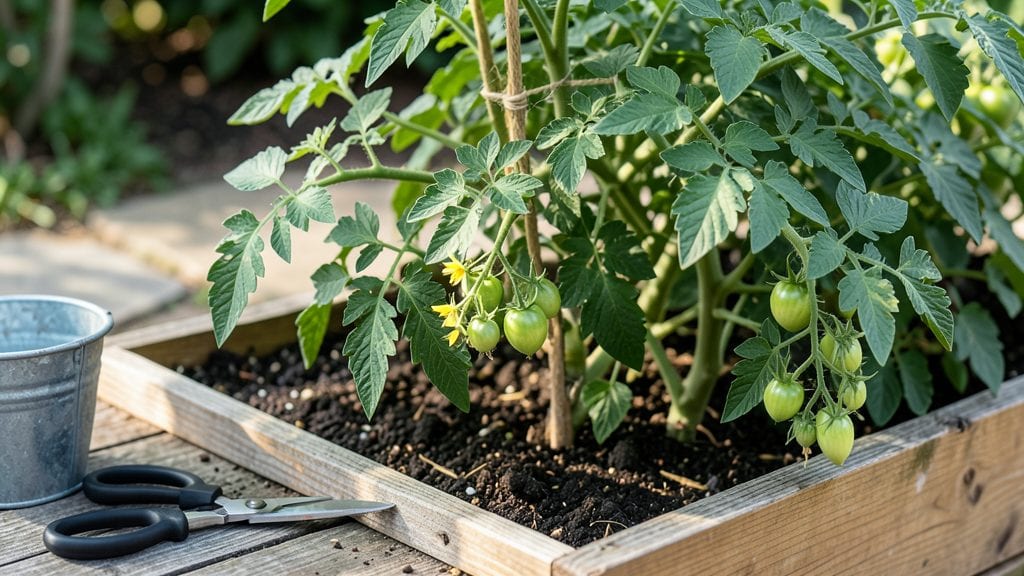
Pruning vegetable plants isn't just about shaping your garden—it's the secret to bigger harvests and healthier plants all season long. I learned this the hard way when my tomato plants produced a single, sad fruit while my neighbor's exploded with red globes.
The difference? Three strategic cuts at the right times. It's not complicated once you know the why behind each snip.
Most vegetables need just a handful of tools: sharp pruners, clean gloves, and maybe a bucket for clippings. The real trick is timing—pinch early for bushier growth, trim midseason to boost airflow, and clean up at the end to redirect energy.
My 10-minute weekly checks keep plants thriving without overwhelming work. Even herbs like basil and cilantro respond dramatically when you remove spent flowers.
You'll see the payoff in denser foliage, fewer pests, and fruit that actually ripens instead of rotting on the vine. The first time I pruned my zucchini plants, I went from three tiny squash to a pile so big I gave half away.
That's the power of a few well-placed cuts—more than just looks, it's about what happens below the soil.
Works for tomatoes, peppers, cucumbers, and even leafy greens like kale. The same principles apply whether you're growing in raised beds or containers. Let's get those shears out and turn your garden into a high-yield machine—without the guesswork.
📚 In This Guide
- What you need
- Instructions
- Tips and common mistakes
- Wrapping up and next steps
What you need
- ● Sharp pruning shears – Bypass pruners (4-6" blades) for clean cuts (1 pair required). Avoid dull tools—they crush stems!
- ● Garden gloves – Nitrile-coated for grip and protection (1 pair). Thick thorns? Go for leather or reinforced palms.
- ● Disinfectant (70% isopropyl alcohol or bleach solution) – 1 part bleach to 9 parts water. Sterilize tools between plants to prevent disease.
- ○ Small bucket or tray – For trimmings (1–2 gallons). Optional: Add a lid to deter pests.
- ● Compost bin or bag – For organic waste (1–2 bags or access to a bin). Skip if using trimmings for mulch.
- ● Hand pruners (tweezers-style) – For delicate plants like basil or squash vines.
- ● Sharp knife or razor blade – For precision cuts on small stems (e.g., removing suckers from tomatoes).
- ● Plant markers or labels – If pruning multiple varieties, track what’s what!
- ● Hose with nozzle – To clean tools and rinse off sap after pruning.
- ● Sunscreen & hat – Because pruning in the midday sun is a no-go!
Instructions for pruning vegetable plants to boost yields
Pruning isn't just about trimming—it's about redirecting energy where it matters most.
Identify the Right Time for Your First Trim
Start with early-season pruning when plants are young but already showing 3-4 sets of true leaves. This is the moment that matters: you're shaping the plant's structure before it puts all its energy into flowering or fruiting. For tomatoes and peppers, pinch off the first few leaves at the base—these compete with fruit production for nutrients.
Watch for new growth just above the leaf nodes. These side shoots will become your plant's framework. If you see leggy stems reaching toward the light, prune back by one-third to encourage bushier growth. The goal here is balance: strong stems that support future harvests without overcrowding.
Encourage Airflow and Disease Prevention Mid-Season
When plants hit 6-8 inches tall and you start seeing flowers, it's time for your second prune. Remove any leaves touching the soil—they'll rot and invite pests. I always start at the bottom and work upward, snipping off yellowed or diseased leaves immediately. This isn't just about looks; good airflow keeps fungal diseases like powdery mildew at bay.
For indeterminate tomatoes, prune suckers (the shoots growing between the main stem and branches) when they're 2-3 inches long. These little side shoots might seem harmless, but they sap energy from your fruit. You'll know you're doing it right when the plant looks fuller and directs more resources to ripening tomatoes instead of unnecessary growth.
Focus on Fruit Production Late in the Season
As your plants near their peak harvest window, shift your focus to fruit-bearing zones. For tomatoes, remove any leaves above the top flower cluster—this improves airflow and sunlight penetration to the fruit. I like to leave just 3-4 leaves below the first flower cluster, so the plant can still photosynthesize but won't waste energy on unnecessary foliage.
For bush beans and squash, prune back any vines that trail excessively. This keeps the plant's energy concentrated on producing more pods or fruit rather than sprawling. You'll see the difference in just a few weeks: plants that would have flopped over now stand strong, with all their energy going into what you'll harvest.
Clean Up After Harvest to Prepare for Next Season
Once your plants have finished producing, give them a final trim. Cut back any remaining foliage to 6 inches above the ground, leaving just the main stems. This makes it easier to spot pests or diseases over winter and gives new growth a clean start next season. For perennials like asparagus, prune back all foliage after the first frost—it signals the plant to rest and regrow stronger.
Don't toss those pruned leaves in the trash. Instead, compost them or use them as mulch around your plants. The nutrients will return to the soil, feeding next year's crops. This final step might seem like extra work, but it's the secret to healthier plants and bigger harvests in seasons to come.
Tips & tricks for pruning vegetable plants
These simple strategies will help you maximize your garden's potential without sacrificing plant health.
Timing is Everything: In Step 1, when you're looking for those 3-4 sets of true leaves, pay attention to the plant's overall vigor. Young plants with glossy, vibrant leaves are ready for their first trim. I've found that pruning too early can stress delicate seedlings, while waiting too long means you're fighting established growth patterns. The key is to act when the plant has enough structure to handle the redirection of energy.
Tool Matters More Than You Think: Using clean, sharp pruning shears is non-negotiable. Dull blades crush stems instead of making clean cuts, which can invite disease. I always sterilize my tools with rubbing alcohol between plants to prevent spreading pathogens. For small jobs, I prefer bypass pruners for their precision, while larger pruning tasks benefit from loppers for their leverage.
Visual Cues for Perfect Pruning: When you're working on Step 3 and focusing on fruit-bearing zones, look for the classic "V" shape where leaves meet the stem. This is your natural pruning guide—cut just above these nodes to encourage new growth in the right direction. For indeterminate tomatoes, the suckers you remove should be at least pencil-thick when you snip them. Anything smaller won't have the energy reserves to compete with your fruit production.
Seasonal Strategy: The final trim in Step 4 is where many gardeners go wrong. Don't cut back too aggressively—leaving those 6 inches of stem gives your plants a head start in spring. I've seen dramatic differences in regrowth when plants have this much structure to work with. For perennials like asparagus, the post-frost trim signals the plant's dormancy period, which is crucial for next year's growth.
Pro Tips for Prune Vegetable Plants
- These simple strategies will help you maximize your garden's potential without sacrificing plant health.
- Timing is Everything: In Step 1, when you're looking for those 3-4 sets of true leaves, pay attention to the plant's overall vigor.
- Tool Matters More Than You Think: Using clean, sharp pruning shears is non-negotiable.
Frequently asked questions
Got questions about pruning your veggie garden? You’re not alone—even seasoned gardeners need a little guidance! Here are some of the most common queries (and answers) to help you prune like a pro.
When is the best time to prune vegetable plants?
Timing depends on the plant! For leafy greens (like lettuce or spinach), prune in the morning for fresh harvests. For tomatoes, peppers, and herbs, prune in early spring or after fruiting begins. Avoid heavy pruning during flowering or fruiting—focus on shaping before growth peaks. Pro tip: Always use clean, sharp shears to prevent disease!
How do I know if I’m pruning too much or too little?
Too much pruning can stress plants, while too little may limit yield. Rule of thumb: Never remove more than 1/3 of the plant’s foliage at once. Look for signs like yellowing leaves (over-pruned) or uncontrolled sprawl (under-pruned). For tomatoes, aim to keep 3-5 main stems and prune suckers (side shoots) regularly.
Can I prune vegetable plants at any stage of growth?
Most vegetables tolerate pruning, but avoid heavy cuts during critical growth phases. For example, prune basil or cilantro lightly to encourage bushiness, but harvest frequently instead of pruning heavily. For root vegetables (carrots, beets), prune only the tops—never disturb the roots! Exception: Prune zucchini or cucumbers to improve airflow and reduce pests.
What should I do if my plants look stressed after pruning?
Stress is normal, but recovery is key! Water deeply and mulch to retain moisture. Avoid fertilizing immediately—let the plant focus on regrowth. If leaves wilt or yellow, it may need a few days to adjust. For severe stress, trim only essential areas and monitor for pests or disease. Pro tip: Prune on a cool, cloudy day to reduce shock.
Are there any vegetables I should never prune?
Yes! Avoid pruning root crops (potatoes, radishes) or delicate greens like arugula unless harvesting. Also, skip pruning corn or peas—they rely on their natural structure. For herbs like dill or parsley, prune lightly to encourage density, but don’t overdo it. When in doubt, prune conservatively!
Wrapping up and next steps
Pruning your vegetable plants isn’t just about trimming—it’s about unlocking their full potential for healthier growth, bigger yields, and tastier harvests. By mastering the three strategic trims (early shaping, mid-season maintenance, and late-season cleanup), you’ll transform your garden into a thriving, productive space.
Whether you’re a seasoned gardener or just starting out, every snip brings you closer to a bountiful harvest.
Ready to put your new pruning skills to work? 🌱 Start by assessing your garden this week—identify plants in need of attention and grab your tools! For extra confidence, review our FAQs or explore pruning guides tailored to your favorite veggies. Happy gardening!