
Watering
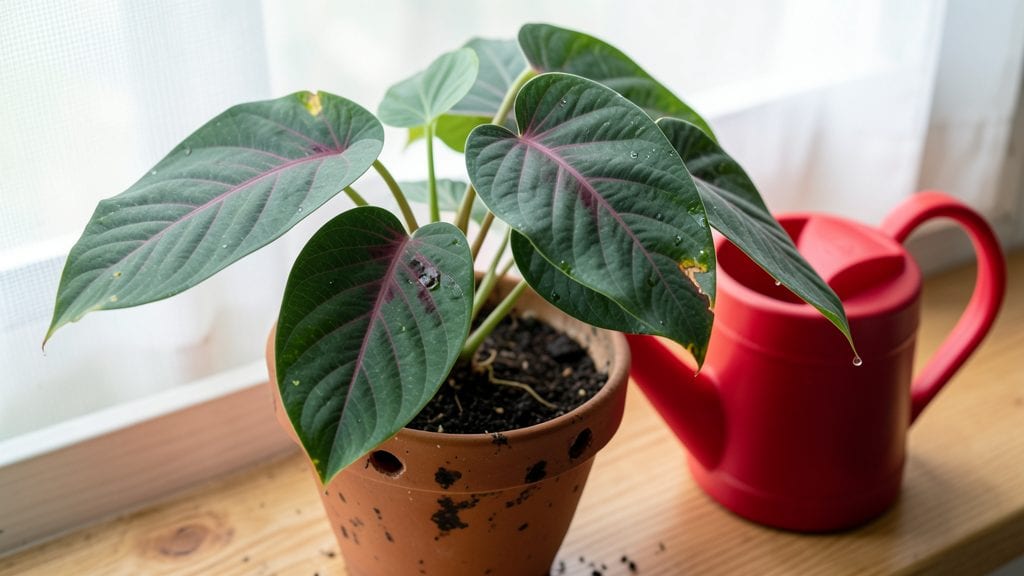
That sad, drooping prayer plant overwatered isn’t just thirsty—it’s gasping for air, and the rescue starts with a simple but critical step. 🌱 I’ve nursed back more soggy prayer plants than I’d like to admit, and the fix is simpler than you think—it just takes patience and the right moves.
The second you notice those telltale signs, you've got a chance to save it before root rot takes over completely.
The real culprit is often too much love in the wrong way—watering every time the soil looks dry, ignoring that prayer plants hate soggy feet. These tropical beauties thrive in 60-70% humidity and soil that stays lightly moist but never waterlogged.
Most people overcorrect by dumping water when the plant just needs better drainage and a breather between drinks. The good news? You can turn this around in days, not weeks.
By the time you're done, you'll see fresh green leaves unfurling within 5-7 days of proper care, and those signature prayer-like folds will return stronger than ever. The key is cutting back on water, repotting into fresh, chunky soil, and giving it bright, indirect light—no more guesswork, just results.
Let's get that plant back to its vibrant self.
This works for prayer plants in pots, hanging baskets, or even as houseplant centerpieces. The same principles apply whether you're dealing with a single leaf yellowing or a full-on sad droop.
Once you master the watering rhythm, your plant will reward you with bold, velvety foliage and that signature prayer pose every morning.
Root Causes of Overwatering
Your Maranta leuconeura (prayer plant) is a stunning, low-maintenance houseplant—until it isn’t. Overwatering is one of the most common reasons these plants turn sad, droopy, or develop those dreaded yellow leaves.
But why does it happen? Let’s dig into the science and habits that lead to soggy soil and stressed roots.
Prayer plants thrive in well-draining soil, but many growers unintentionally create a waterlogged environment. Here’s why:
- Compacted or heavy soil: Mixes like garden soil or dense potting mixes retain too much moisture, suffocating roots. Prayer plants prefer airy, chunky blends with perlite, orchid bark, or coco coir to promote airflow.
- No drainage holes: Pots without holes act like a bathtub, trapping excess water. Even "self-watering" pots can drown roots if not monitored.
- Clay or plastic pots without breathability: These materials trap humidity and slow evaporation, keeping soil wet longer than ideal.
Pro Tip: 💡 If repotting, choose terracotta or fabric pots (they allow moisture to escape) and always add a layer of pebbles or charcoal at the bottom for extra drainage.
Sticking to a rigid watering calendar is a fast track to overwatering. Prayer plants are tropical epiphytes, meaning they naturally grow in humid environments where rain is sporadic—but their roots hate sitting in wetness.
- Ignoring soil moisture levels: Watering every 7 days (or worse, "when it looks dry") assumes consistency, but factors like humidity, light, and season change water needs.
- Overcompensating for dryness: If a plant wilts, some gardeners drown it in water—only to realize too late that roots can’t recover from prolonged sogginess.
- Mistaking thirst for thirstiness: Drooping leaves often signal underwatering, not overwatering. Wait until the top 1–2 inches of soil are dry before watering again.
Action Step: 🌡️ Use your finger to check moisture—insert it into the soil. If it’s damp past your first knuckle, wait 2–3 more days.
Your home’s climate plays a bigger role than you think. Prayer plants are sensitive to:
- Low light + high humidity: In dim corners, plants grow slower and hold moisture longer. Solution: Move to bright, indirect light (east or north-facing windows) and reduce watering by 20–30%.
- Cold drafts or AC vents: Cool air slows evaporation, keeping soil wet. Keep plants away from windows, doors, or HVAC outlets.
- Tiny pots for big plants: Roots outgrow containers quickly. A pot that’s too small fills with water faster, suffocating roots. Rule of thumb: Repot when roots circle the drainage hole.
Quick Fix: ✨ Place a hygrometer near your plant. Ideal humidity is 40–50%; below 30% means it’s too dry (water less), above 60% means it’s too humid (water even less).
Now that you know the why, the next step is fixing it—without losing your plant. Stay tuned for our 3-step revival guide to bring your prayer plant back to its vibrant, prayerful best!
Revive Your Prayer Plant Fast
Now that you know the signs and causes of an overwatered prayer plant (those droopy, yellowing leaves 🌿💦), it’s time to take action! The good news? With the right steps, your plant can bounce back—sometimes in just a few days.
Below, we’ll break down exact fixes based on the root cause, plus prevention tips to keep your Maranta leuconeura thriving long-term.
Cause: Root rot or compacted, waterlogged roots. Solution: Drain excess moisture and improve airflow.
🍳 Step 1: Stop Watering Immediately
- Let the top 1–2 inches of soil dry out before watering again. Stick your finger in the soil—if it’s damp past your first knuckle, wait.
- Pro Tip: 💡 Use a moisture meter for accuracy (they’re cheap and save guesswork!).
👨🍳 Step 2: Repot if Roots Are Rotten
If the roots smell foul, are mushy, or black, it’s time to repot: 1. Gently remove the plant from its pot and rinse the roots with lukewarm water to wash away excess soil.
- Trim any black, mushy roots with sterilized scissors (dip in rubbing alcohol).
- Place the plant in a clean pot with fresh, well-draining soil (more on this below).
🥘 Step 3: Upgrade Your Soil Mix Prayer plants hate soggy feet.
Ditch heavy garden soil—opt for a light, airy mix: - 50% peat or coco coir (holds moisture without suffocating roots) - 30% perlite or orchid bark (adds drainage) - 20% worm castings or compost (for nutrients) - Bonus: Add a handful of sphagnum moss for extra humidity control.
⏰ Step 4: Adjust Your Watering Routine
- Water only when the top 1–2 inches are dry (usually every 7–10 days, depending on humidity).
- Water thoroughly but avoid letting the plant sit in saucers of water.
Empty saucers 30 minutes after watering. - Pro Tip: 🌡️ In winter, cut back to every 10–14 days—cooler air = slower drying.
Cause: Overwatering + low humidity or poor light. Solution: Boost humidity and light while letting the soil recover.
🔥 Step 1: Increase Humidity (Fast Fix)
Prayer plants are tropical—they need humidity to thrive!
- Quick Fix: Place the pot on a pebble tray with water (not touching the pot).
- Long-Term Fix:
- Use a humidifier near the plant (40–50% humidity ideal).
- Group plants together (they create a microclimate!).
- Mist leaves lightly in the morning (avoid evening misting—it encourages fungus).
🍳 Step 2: Optimize Light (But No Direct Sun!)
- Move your plant to bright, indirect light (east or north-facing windows are perfect).
- Avoid: South/west windows (direct sun burns leaves) or dim corners (leads to leggy growth).
- Pro Tip: ✨ If natural light is weak, add a grow light 6–12 inches away for 12–14 hours/day.
👨🍳 Step 3: Trim Damaged Foliage
- Snip off yellow, brown, or crispy leaves with clean scissors to redirect energy to healthy growth.
- Don’t panic—new leaves will emerge as the plant recovers!
Once your prayer plant is back on track, prevent future overwatering with these habits:
| Mistake | Fix It With… | Why It Works |
|---|---|---|
| Watering on a schedule | Check soil moisture first | Soil dries unevenly—don’t rely on days! |
| Using heavy garden soil | Light, airy mix (see above) | Prevents compaction and root rot |
| No drainage holes | Repot in a pot with holes | Lets excess water escape |
| Ignoring saucer water | Empty saucers after watering | Stagnant water = root rot |
| Low humidity | Humidifier or pebble tray | Mimics tropical rainforest conditions |
💡 Pro Tip: 🎯 Weigh your pot before watering! A lighter pot = needs water; a heavier one = still moist.
Final Thought: 🌟 With these fixes, your prayer plant should start perking up in 3–7 days (new leaves = success!). Stay consistent with soil checks and humidity, and your Maranta will reward you with those iconic folded leaves for years. 🙌
Frequently asked questions about prayer plant care
Why do my prayer plant leaves turn yellow when overwatered?
Yellow leaves signal root stress from soggy soil. Overwatering blocks oxygen, causing roots to suffocate and leaves to yellow as nutrients stop flowing. The first sign is often drooping, followed by yellowing at the base of leaves—this is your plant’s SOS for better drainage.
How do I know if my prayer plant is overwatered vs. underwatered?
Check the soil first: if it’s damp past your first knuckle, it’s overwatered. Overwatered plants droop, develop yellow/brown leaves, and may smell foul. Underwatered ones feel light and dry, with crispy edges and leaves that fold inward. Always wait until the top 1-2 inches are dry before watering again.
Can I save a prayer plant with root rot from overwatering?
Yes, but act fast! Remove the plant, rinse roots, and trim any black/mushy sections with sterilized scissors. Repot in fresh, chunky soil with perlite and reduce watering to every 10-14 days. With proper care, new growth should appear in 2-3 weeks as healthy roots regenerate.
What’s the best soil mix to prevent overwatering?
Use a light, airy blend of 50% peat/coco coir, 30% perlite/orchid bark, and 20% worm castings. This prevents compaction while holding just enough moisture. Avoid garden soil—it’s too dense and traps water. Add a layer of charcoal at the bottom for extra drainage.
How often should I water my prayer plant after fixing overwatering?
Start with every 7-10 days, checking soil moisture first. In winter, extend to every 10-14 days—cooler air slows evaporation. Use your finger: if the top 1-2 inches feel dry, it’s time. Empty saucers after watering to prevent root rot. Pro tip: Weigh your pot—lighter means it needs water!