
Watering
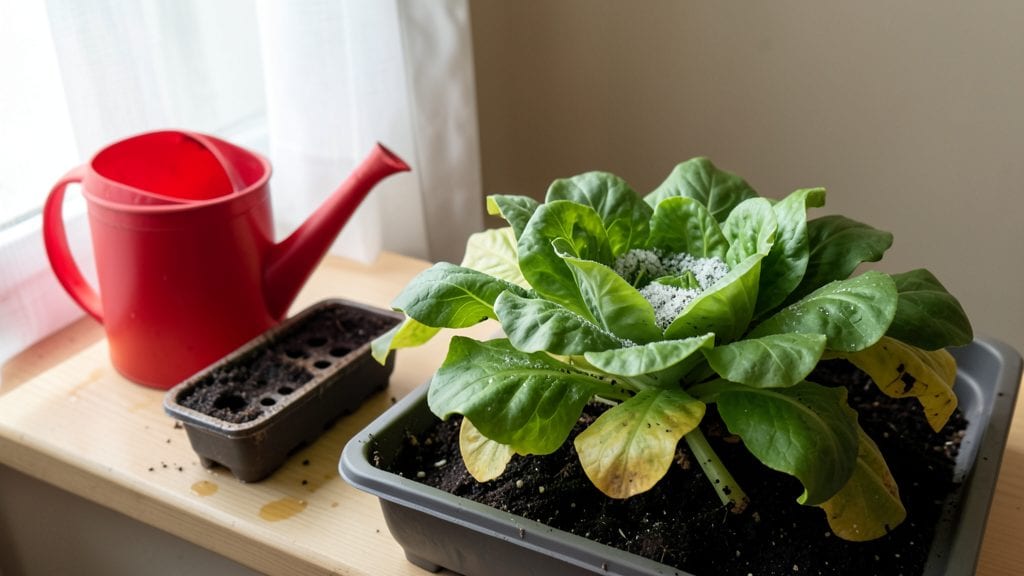
That droopy plant overwatered seedling might look like a lost cause, but with the right moves, you can nurse it back to life—no green thumb required. drainage, cutting back on water, and giving roots a chance to breathe.
The first time I saw a limp, droopy seedling perk up after just 48 hours of proper care, I knew this was the one trick every gardener needs.
Overwatering happens when soil stays soggy for days, suffocating roots and starving them of oxygen. You’ll spot the trouble with mushy stems, leaves turning yellow or brown, and a foul smell when you lift the pot. The good news?
Most seedlings bounce back if you act fast—no need for fancy tools, just a little patience and the right approach. I’ve even revived seedlings that looked totally done, and they grew into healthy plants within weeks.
By the end of this, you’ll have a seedling with firm stems, vibrant green leaves, and roots that aren’t drowning in water. The key is adjusting your watering schedule, improving soil mix, and maybe even repotting if drainage is terrible.
Trust me, your future harvests will thank you for learning this now—because once you master it, you’ll spot overwatering before it becomes a problem.
This works for everything from delicate herbs to sturdy tomatoes, whether you’re growing in pots, raised beds, or straight in the ground. The only thing you’ll need is a little time and attention—no expensive fixes required. Let’s get those roots breathing again.
Common Causes Of Seedling Drowning
Overwatering seedlings might seem like a harmless mistake—after all, "more water is better," right? But in reality, it’s one of the fastest ways to kill young plants before they even get a chance to thrive.
Let’s break down the key reasons this happens, so you can avoid repeating the same mistake.
New gardeners often assume that seedlings need constant moisture, especially since they’re small and delicate. However, overwatering disrupts the oxygen exchange in the soil, suffocating the roots. Seedlings have tiny root systems that require air pockets for respiration—just like humans need oxygen to breathe.
When soil stays soggy for too long, it creates an anaerobic environment (low or no oxygen), which triggers harmful bacteria and fungi. These pathogens outcompete beneficial microbes, leading to:
- Root rot (a fungal infection that turns roots mushy and brown)
- Stunted growth (seedlings can’t absorb nutrients efficiently)
- Seedling collapse (the stem weakens and falls over)
Pro Tip: 💡 Use the "finger test"—stick your finger 1 inch into the soil. If it’s damp but not soaked, your seedlings are happy. If it’s muddy, hold off on watering until the top layer dries slightly.
Not all seedling containers are created equal. Some materials—like plastic trays, dense clay, or unglazed pots—can trap excess water, while others (like coco coir pellets or terracotta) allow moisture to evaporate faster.
If your container lacks drainage holes or is made of non-breathable materials, water pools at the bottom instead of draining away.
Even with drainage holes, compacted soil or a lack of organic matter can slow water escape. This is especially true for:
- Sandy soil (drains too fast, but can also hold water in pockets)
- Clay-heavy mixes (retains moisture like a sponge)
- Over-packed seedling soil (reduces air space, slowing drainage)
Fix It: ✨ Add perlite or vermiculite (10-20%) to your seedling mix to improve aeration and drainage. If repotting, choose containers with multiple drainage holes and elevate them on a saucer (not sitting in standing water).
Sometimes, overwatering isn’t just about you—it’s about the conditions around your seedlings. Humidity, temperature, and even light exposure can trick you into thinking they need more water than they do.
Here’s how the environment plays a role:
| Factor | How It Causes Overwatering | Solution |
|---|---|---|
| High Humidity | Moist air slows evaporation, making soil stay damp longer. | Use a fan on low speed (5-10% humidity drop helps). |
| Low Light | Seedlings grow slower, so they don’t transpire (release water) as much, keeping soil wet. | Move to a bright, indirect light spot (grow lights work too!). |
| Cold Temperatures | Cooler air reduces evaporation, making soil stay soggy. | Keep seedlings in a warm (65-75°F) spot away from drafts. |
Watch Out For: 🌡️ If your seedlings are in a greenhouse, bathroom, or basement, they’re at higher risk of overwatering due to trapped moisture.
Seedlings aren’t one-size-fits-all when it comes to water. Their water needs change drastically from germination to true leaves to transplanting. Here’s what most gardeners get wrong:
- Germination Stage (0-7 days):
Mist only the soil surface—don’t soak it. Too much water can drown the seed before it sprouts.
- True Leaf Stage (7-14 days):
Light, frequent misting (every 1-2 days) is ideal. Overwatering here causes fungal diseases like damping-off.
- Transplant Stage (2+ weeks):
Let the top inch of soil dry out between waterings. Roots are now bigger and can handle slight dryness.
Common Mistake: ⏰ Watering on a schedule (e.g., every Monday) instead of checking soil moisture. Seedlings grow at different speeds!
Reviving Your Drowning Seedlings
If your tiny green sprouts are looking more like sad, soggy blobs than thriving plants, don’t panic—your seedlings can still bounce back! The key is acting fast and addressing the root of the problem (literally).
Below, we’ll break down cause-specific fixes to rescue your overwatered seedlings and keep them from turning into mushy casualties. Plus, we’ll share prevention tips to avoid this watery woe in the future.
Cause: Overwatering suffocates roots, cutting off oxygen and nutrients, leading to yellow leaves and slow growth.
How to Fix It:
- 🚰 Stop Watering Immediately
- Let the soil dry out completely before watering again. Stick your finger 1–2 inches into the soil—if it’s damp, wait.
- 🌡️ Improve Drainage
- Move your seedlings to a pot with drainage holes (if they’re not already there).
- Mix in perlite or sand (10–20%) to aerate compacted soil and prevent future sogginess.
- 🌿 Trim the Damage
- Snip off yellow or mushy leaves with clean scissors to redirect energy to healthy growth.
Prevention Tip: 💡 Water only when the top inch of soil feels dry—overwatering is the #1 killer of seedlings!
Cause: Root rot from prolonged soggy conditions. If stems feel soft or roots smell foul, your seedlings are in critical condition.
How to Fix It:
- 🔪 Prune Back the Damage
- Use sterilized scissors to cut off blackened or mushy stems down to healthy green tissue.
- 🌧️ Repot in Fresh, Dry Soil
- Remove the seedling and rinse roots gently to clear excess soil.
- Plant in sterile, well-draining potting mix (avoid garden soil—it’s too dense).
- 🌡️ Let It Dry Out
- Place the repotted seedling in a shady, warm spot (70–75°F) and avoid watering for 3–5 days to let roots recover.
Prevention Tip: ✨ Bottom-watering (placing pots in a tray of water for 10–15 mins) gives roots control over hydration—no more guesswork!
Cause: Excess moisture creates the perfect breeding ground for fungi or mold, which can kill seedlings in days.
How to Fix It:
- 🧼 Clean Up the Scene
- Remove all moldy soil and discard it (don’t compost it—it’ll spread).
- Wash pots with 1 part hydrogen peroxide to 10 parts water to kill spores.
- 🌿 Treat with Fungicide (Optional but Helpful)
- Spray seedlings with a natural fungicide like:
- Baking soda solution (1 tsp baking soda + 1 quart water + a drop of dish soap).
- Neem oil spray (1 tsp neem oil + 1 quart water + a few drops of soap).
- Spray seedlings with a natural fungicide like:
- 🌞 Boost Airflow
- Move seedlings to a bright, airy spot (but avoid direct sun, which can stress weak plants).
- Use a small fan on low (24/7) to improve circulation and dryness.
Prevention Tip: 🌡️ Space seedlings 1–2 inches apart—crowding traps humidity and invites mold!
If your seedlings are completely limp, black, or falling over, they might still pull through with these last-ditch efforts:
- 🌱 Root Hormone Boost
- Dip healthy stems in rooting hormone before repotting to encourage regrowth.
- 💧 Hydrate with Care
- Water lightly (just enough to moisten soil) and cover with a plastic bag (like a mini greenhouse) to retain humidity while roots recover.
- 🌿 Patience is Key
- Some seedlings take 1–2 weeks to show signs of recovery. If no new growth appears in 3 weeks, it’s time to say goodbye and replant.
Prevention Tip: 🎯 Start with sterile seed-starting mix—avoid cheap garden soil, which often harbors fungi and bacteria.
To keep your seedlings happy and hydrated (but not drowned), follow this watering wisdom: ✅ Use the right pots – Small containers dry out faster than large ones. ✅ Monitor soil moisture – Stick your finger in daily; don’t rely on a schedule. ✅ Water at the base – Avoid wetting leaves to prevent fungal spread. ✅ Rotate trays – Ensures even light exposure and airflow. ✅ Watch the weather – Cloudy days = less water; sunny days = more evaporation.
Final Thought: Overwatered seedlings are like drunk toddlers—they need time to sober up and fresh air to recover. With these fixes, your little greens will be back to their perky, growing selves in no time! 🌱💚
Frequently asked questions
How can I tell if my seedling is overwatered vs. underwatered?
Check the soil first: overwatered seedlings have soggy, cold soil that smells musty, while underwatered seedlings have dry, cracked soil. Look at the leaves—yellowing or wilting with mushy stems means overwatering, while crispy edges or drooping but dry leaves mean thirst. Tap the pot gently: if it feels heavy, it's likely overwatered.
Can I save a seedling with blackened stems and mushy roots?
It depends on how much is damaged. Cut away all blackened stems down to healthy green tissue with sterilized scissors, then repot in fresh, dry potting mix. Hold off on watering for 3-5 days to let roots recover. If only the roots are mushy but the stem is still firm, trim the roots and replant—some seedlings bounce back surprisingly well!
What's the best way to adjust my watering schedule for seedlings?
Use the finger test: stick your finger 1 inch into the soil. If it's damp but not soaked, wait until it feels dry before watering again. For most seedlings, this means watering every 2-3 days in warm weather and every 4-5 days in cooler conditions. Morning watering prevents fungal growth, and always water at the base—not over the leaves.
Will overwatered seedlings recover if I just stop watering them?
Not always—just stopping isn't enough. You need to improve drainage first by repotting in fresh soil with perlite or sand. Let the soil dry completely between waterings, and move the seedling to a bright, airy spot. Some seedlings recover in 3-7 days if caught early, but severe cases may need more aggressive treatment like root hormone or fungicide.
Can I use hydrogen peroxide to fix overwatered seedlings?
Yes! Mix 1 part 3% hydrogen peroxide to 4 parts water and water your seedlings with it to oxygenate the roots and kill harmful bacteria. Use it once a week as a preventative measure, or when you notice signs of stress. Just avoid using it if your seedlings already have root rot—they'll need repotting first.