
Companion Plants
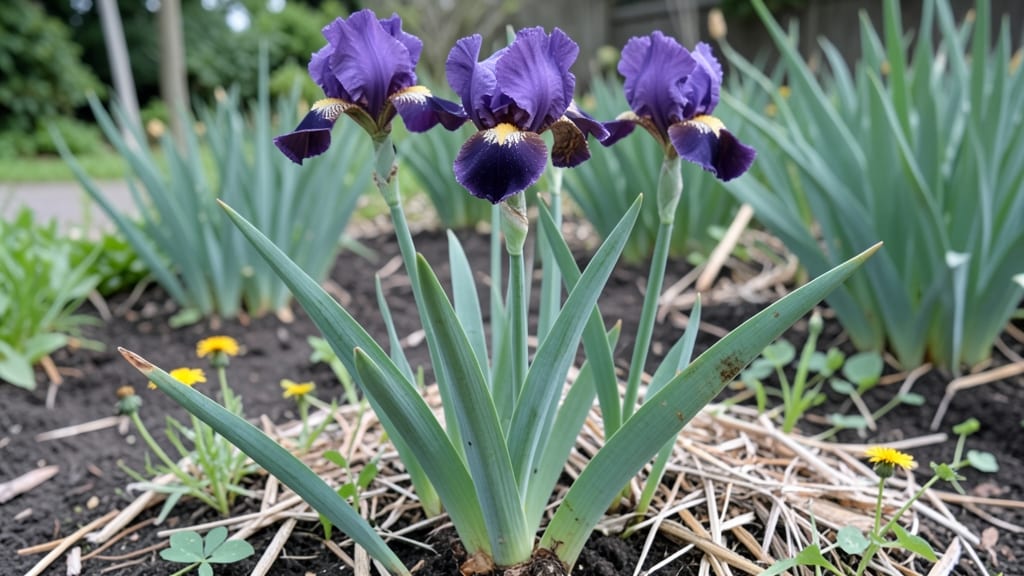
Pointed leaf plants bring sharp-edged elegance to gardens all year long, and they hardly need pruning to stay stunning. 🌿 I’ve grown everything from delicate ferns to bold ornamental grasses, and these plants prove that low-maintenance doesn’t mean boring—quite the opposite.
Their architectural shapes add texture and movement, even when flowers fade.
The best part? Most thrive in ordinary garden soil and tolerate less-than-perfect light. Ferns like the Autumn Fern love partial shade, while grasses such as Miscanthus sinensis stand tall in full sun.
Watering is simple: keep soil evenly moist for ferns, but let succulents like Echeveria dry out between drinks. Once established, they’ll handle drought like pros.
You’ll love how they fill gaps in borders or anchor containers with minimal fuss. Pointed leaves catch light beautifully, creating dappled shadows that dance across paths. And because they grow steadily—not just in bursts—they’re perfect for lazy gardeners who still want drama.
Ready to add some sharp, silvery, or deep green structure to your space?
Start with just one or two varieties to test what suits your climate. My Japanese Painted Fern thrives in Zone 5, while Blue Fescue brightens up hot, dry summers. The key is matching leaf shapes to your garden’s vibe—whether you want feathery, spiky, or sleek. Let’s get growing!
📚 In This Guide
- What you need
- Instructions
- Tips and common mistakes
- Wrapping up and next steps
What you need
- ● Pointed leaf plants: Choose from Ilex crenata (Japanese holly), Buxus sempervirens (boxwood), or Ligustrum japonicum (Japanese privet). Select 3–5 healthy plants (or seeds/cuttings if propagating).
- ● Well-draining potting mix: 5–10 gallons (sterilized, peat-free blend for containers or garden soil amended with 20% perlite for in-ground planting).
- ● Organic fertilizer: 5–10–5 NPK ratio (slow-release granules or liquid feed like fish emulsion).
- ● Mulch: 2–3 inches of shredded bark or pine straw (retains moisture and suppresses weeds).
- ● Garden tools: Trowel or spade (for planting)
- ● Pruning shears (sharp, bypass-style for clean cuts)
- ● Gloves (gardening or work gloves)
- ○ Optional (but helpful): Soaker hose or watering can (1–2 gallons capacity)
- ● pH test kit (ideal range: 5.0–7.0 for most pointed leaf plants)
- ● Container pots (12–18 inches deep if growing in pots)
- ● Sunlight: Partial shade to full sun (6+ hours/day for most varieties).
- ● Spacement: 2–4 feet apart (depends on mature size; check plant tags!).
- ● Watering schedule: Deep watering 1–2 times per week (adjust for climate; avoid soggy soil!).
How to cultivate stunning pointed leaf plants for year-round beauty
Here's my foolproof method for selecting and maintaining these architectural stars—minimal fuss, maximum impact.
🌿 Step 1: Select the Right Pointed-Leaf Varieties for Your Climate
Start with drought-tolerant varieties like Acacia dealbata (silver wattle), Olive trees (Olea europaea), or Yucca filamentosa—these thrive with minimal intervention. For cooler climates, Boxwood (Buxus sempervirens) or Holly (Ilex) deliver year-round structure. I always check the USDA hardiness zone range before purchasing, as pointed-leaf plants often have strict temperature limits.
Look for plants with narrow, elongated leaves (3-6 inches long) and upright growth habits—these create the dramatic vertical lines that define modern landscapes. Avoid broadleaf varieties; their growth patterns won’t deliver the same architectural punch. At nurseries, inspect the leaf texture—waxy or leathery leaves signal better drought resistance.
🪴 Step 2: Prepare the Planting Site for Optimal Drainage
Pointed-leaf plants hate soggy roots, so amend native soil with 3-4 inches of coarse sand or perlite to improve drainage. I dig a hole twice as wide as the root ball but only as deep—planting too deep suffocates roots. For containers, use a fast-draining mix (60% potting soil, 30% perlite, 10% compost) and ensure pots have multiple drainage holes.
Test your site’s moisture retention by digging a 6-inch hole, filling it with water, and timing how long it takes to drain. If water remains after 30 minutes, amend further with gravel or volcanic rock. The goal? Soil that drains within 15-20 minutes—this prevents root rot, the #1 killer of pointed-leaf plants.
☀️ Step 3: Plant in Full Sun for Best Foliage Development
Most pointed-leaf varieties need 6+ hours of direct sunlight daily to maintain their sharp, upright growth. I plant mine in south- or west-facing beds where they get afternoon sun—this prevents leaf scorch while encouraging dense foliage. For container plants, place them on patio edges or raised decks where they won’t be shaded by structures.
Watch for leaf yellowing or curling—this signals insufficient light. If you notice stems stretching (a sign of etiolation), move the plant closer to the sun source or supplement with a grow light during winter months. Mulch with 2-3 inches of wood chips around the base to retain moisture while keeping roots cool.
💧 Step 4: Water Deeply but Infrequently to Encourage Root Depth
Pointed-leaf plants thrive on deep, infrequent watering—think once every 7-10 days (adjust for heat waves). I water early in the morning to reduce evaporation and avoid wetting foliage, which promotes fungal diseases. Dig a 6-inch deep hole near the plant; if the soil feels dry at that depth, it’s time to water again.
Overwatering is the fastest way to kill these plants—yellowing leaves or mushy stems mean you’re drowning the roots. If you see white, crusty deposits on soil, flush the area with clean water to prevent salt buildup. In containers, check weight—lift the pot; if it’s light, water immediately.
✂️ Step 5: Prune Only to Shape, Never to "Maintain"
Unlike broadleaf plants, pointed-leaf varieties don’t need regular pruning—just light shaping to encourage bushier growth. I trim only in late winter or early spring, removing no more than 20% of the plant’s volume at once. Use clean, sharp bypass pruners to make 45-degree cuts just above a leaf node.
Never shear these plants into rounded shapes—preserve their natural form. If you notice dead or diseased branches, remove them immediately to prevent spread. For yuccas or acacias, prune only to remove spent flower stalks—cutting back healthy growth weakens the plant. After pruning, sterilize tools with rubbing alcohol to avoid cross-contamination.
Tips & tricks for perfect pointed leaf plant cultivation
These game-changing insights will transform your pointed leaf plants from mere survivors to stunning architectural stars with minimal effort.
Selection Strategy: When choosing varieties like Yucca filamentosa or Acacia dealbata, look for plants with leaves that taper to a sharp point—this defines their signature look. I always inspect the leaf arrangement too; alternate leaf patterns (like in boxwood) create more visual interest than opposite patterns. For container plants, select varieties with naturally compact growth habits to maximize their impact in limited spaces.
Drainage Deep Dive: The 15-20 minute drainage test in Step 2 is non-negotiable for pointed leaf plants. If your soil fails this test, consider installing a French drain system around the planting area—it's worth the investment for these drought-tolerant beauties. For containers, elevate them on pot feet or cinder blocks to prevent water pooling at the bottom, which can cause root rot even with perfect drainage mix.
Sunlight Optimization: The 6+ hours of direct sunlight requirement in Step 3 is critical for maintaining those sharp leaf points. I've found that positioning plants on east-west oriented beds captures morning and afternoon sun without the intense midday heat that can scorch leaves. For indoor plants, place them within 3 feet of a south-facing window—this mimics optimal outdoor conditions. In winter, supplement with LED grow lights positioned 6-12 inches above the plants for 12-14 hours daily.
Pruning Precision: When shaping in late winter (Step 5), focus on creating open centers that allow light penetration to lower branches. This encourages bushier growth while maintaining that dramatic vertical line. For yuccas specifically, only remove dead leaves from the bottom—never trim healthy foliage, as these plants grow from the base. Sterilizing tools between cuts is especially important for pointed leaf varieties, as their sharp edges can harbor bacteria in small crevices.
Pro Tips for Pointed Leaf Plants
- These game-changing insights will transform your pointed leaf plants from mere survivors to stunning architectural stars with minimal effort.
- Selection Strategy: When choosing varieties like Yucca filamentosa or Acacia dealbata, look for plants with leaves that taper to a sharp point—this defines their signature look.
- Drainage Deep Dive: The 15-20 minute drainage test in Step 2 is non-negotiable for pointed leaf plants.
Frequently asked questions
Got questions about keeping your pointed leaf plants thriving? You’re not alone! Here are some of the most common concerns—and their easy fixes—so you can enjoy lush foliage with minimal fuss.
What are the best pointed leaf plants for beginners?
Start with Dracaena marginata (Dragon Tree) or Sansevieria trifasciata (Snake Plant)—both are hardy, drought-tolerant, and perfect for low-light spaces. Yucca elephantipes (Spineless Yucca) is another great pick for its striking, sword-like leaves and adaptability.
How often should I water pointed leaf plants?
These plants thrive on neglect! Water only when the top 2–3 inches of soil are dry—usually every 2–4 weeks, depending on humidity and light. Overwatering is the #1 killer, so let the soil dry out completely between waterings. Pro tip: Stick your finger in the soil—if it’s damp, wait a few more days!
Do pointed leaf plants need frequent pruning?
Not at all! Prune only to shape, remove dead leaves, or propagate. Use clean, sharp scissors to trim yellow/brown tips or leggy stems. Bonus: Cuttings root easily in water or soil—great for free plants!
Why are my pointed leaf plant’s tips turning brown?
Brown tips usually mean underwatering or fluoride/chlorine in tap water. Let the soil dry out more between waterings, or use filtered/rainwater. Boost humidity with a pebble tray or misting (but avoid soggy soil!).
Can pointed leaf plants survive in low-light conditions?
Yes! Most varieties (like Snake Plants or ZZ Plants) tolerate low light but grow slower. Place them near a window for bright, indirect light to encourage vibrant foliage. Avoid direct sun, which can scorch delicate leaves.
What’s the easiest way to propagate pointed leaf plants?
Simplest method: Stem cuttings! Snip a healthy stem (4–6 inches), let it callus for 1–2 hours, then place in water or moist soil. Roots form in 2–4 weeks. Pro tip: Use a rooting hormone for faster success!
Wrapping up and next steps
Pointed leaf plants are the perfect low-maintenance companions for any garden or indoor space, offering year-round texture and color with minimal effort. Whether you're a seasoned gardener or a plant parent just starting out, their resilience and striking foliage make them a standout choice.
Ready to elevate your green space? Start small—pick one or two varieties to test their fit in your environment, then expand as you fall in love with their beauty!
🌱 Next step: Grab a few pointed leaf plants (like Dracaena marginata or Haworthia attenuata) and watch your space transform with ease!