
Companion Plants
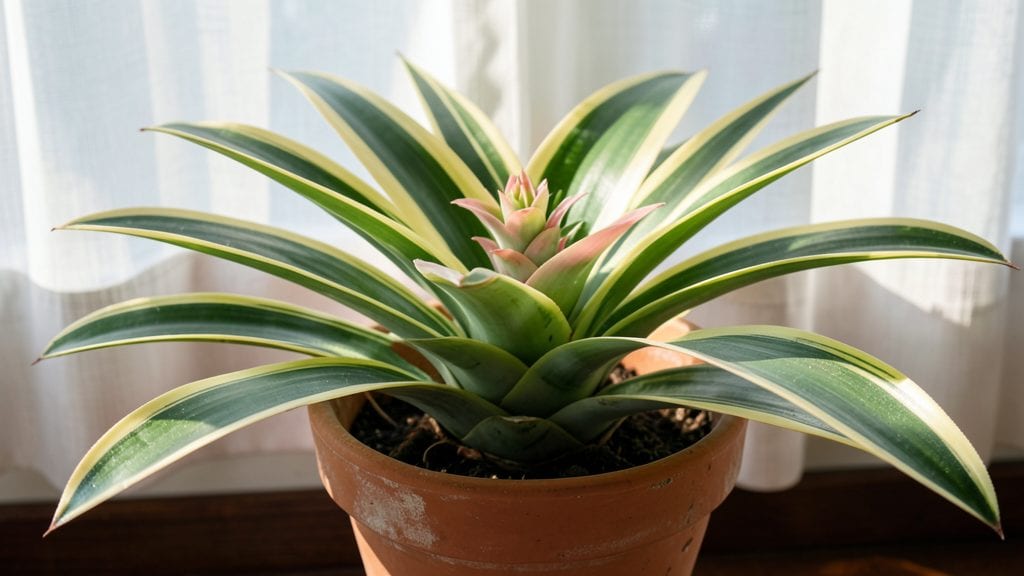
Growing ornamental pineapple plants transforms any space into a sunlit tropical escape. 🌿 These striking plants—with their bold, sword-like leaves and occasional edible (but ornamental) pineapples—thrive where most tropicals would wilt. The secret isn’t just heat; it’s matching their love of bright light, well-draining soil, and minimal fuss once established.
You’ll need a sunny spot (at least 6 hours of direct light daily), a pot with drainage, and soil that dries out between waterings.
Unlike their fruiting cousins, these varieties focus on showstopping foliage—think deep green with red or purple edges, or variegated patterns that catch the light like stained glass. Even in cooler zones, they’ll bring drama to patios, containers, or mixed borders.
Once planted, they’re shockingly low-maintenance. Water when the top inch of soil feels dry, and fertilize lightly in spring. Prune dead leaves to keep them tidy, and watch for offsets (pups) at the base—these are your free propagation tickets.
The real magic happens when they bloom, sending up a striking red or purple flower spike that eventually turns into a tiny pineapple.
Pair them with other drought-tolerant tropicals like bird-of-paradise or agave for a high-impact, low-water display. Even indoors near a sunny window, they’ll outshine most houseplants. Ready to add some bold, tropical energy to your garden?
📚 In This Guide
- What you need
- Instructions
- Tips and common mistakes
- Wrapping up and next steps
What you need
- ● Ornamental pineapple plant: Choose between Tillandsia (air plants) or Bromeliad varieties (e.g., Aechmea or Neoregelia). Start with 1–3 plants for small displays or up to 5 for larger arrangements.
- ● Well-draining soil mix: A blend of 50% peat moss or coconut coir, 30% perlite or pumice, and 20% orchid bark or sand. For Tillandsia, skip soil entirely—these thrive without it!
- ● Containers (if not planting in ground): For Bromeliads: Terracotta or plastic pots with drainage holes (6–12 inches in diameter, depending on plant size).
- ● For Tillandsia: Decorative bowls, driftwood, or even glass globes (no drainage needed).
- ● Drainage layer: Small rocks (like pumice or gravel) or broken pottery shards to prevent root rot.
- ● Watering can or spray bottle: A fine-mist sprayer works best for Tillandsia; a watering can with a narrow spout suits Bromeliads.
- ○ Fertilizer (optional but helpful): For Bromeliads: Balanced liquid fertilizer (e.g., 20-20-20) diluted to ½ strength, applied every 4–6 weeks during growing season.
- ● For Tillandsia: Air plant fertilizer spray (like Maxsea or Floragro) or diluted fish emulsion (1 tsp/gallon), used monthly.
- ● Pruning shears or scissors: Sterilized, sharp tools for trimming dead leaves or dividing plants.
- ○ Gloves (optional): Protect your hands from rough foliage or sap.
- ● Bright, indirect light: A south- or west-facing window (for indoors) or partial shade (for outdoors in hot climates).
- ● Humidity tray or pebble tray: For indoor setups, especially in dry climates (fill with water and pebbles).
- ○ Support stakes (optional): For top-heavy Bromeliads like Guzmania, use small bamboo stakes or decorative sticks.
Step-by-step guide to growing ornamental pineapple plants
Here's how to cultivate these striking tropical plants with minimal fuss.
🌱 Step 1: Select and Prepare Your Planting Site
Ornamental pineapple plants thrive in full sun (at least 6-8 hours daily) and well-draining soil. Choose a location with shelter from strong winds, as their spiky foliage can tear easily. If growing in containers, ensure pots have drainage holes—these plants despise soggy roots.
I like to amend the soil with 1 part perlite to 3 parts potting mix to improve drainage. For in-ground planting, work in 2-3 inches of coarse sand or grit to prevent waterlogging. The ideal soil pH is slightly acidic (5.5-6.5)—test your soil if you're unsure.
🪴 Step 2: Plant Crowns or Offsets Correctly
Ornamental pineapple plants grow from crowns (the top portion) or offsets (pups). For crowns, let the base callus over for 1-2 days before planting to prevent rot. Dig a hole twice as wide as the root ball but only as deep as the crown sits naturally—burying too deep suffocates the plant.
Place the crown slightly off-center in the hole to allow water to drain away from the base. For offsets, remove them carefully with a sterilized knife, ensuring each has its own small root system. Space plants 18-24 inches apart in-ground or use 5-gallon pots for container growing.
💧 Step 3: Water Deeply and Establish a Routine
Water deeply once a week during the first month to encourage root growth, then taper to every 10-14 days once established. These plants are drought-tolerant but hate sitting in wet soil—always let the top 2 inches of soil dry out between waterings.
I use a soaker hose for in-ground plants to avoid wetting the foliage, which can cause fungal issues. For container plants, water until water runs freely from the drainage holes—this ensures thorough saturation without overdoing it.
☀️ Step 4: Fertilize and Protect for Year-Round Growth
Feed plants once in spring with a balanced, slow-release fertilizer (10-10-10) at half-strength. Avoid high-nitrogen fertilizers—they promote leafy growth at the expense of the striking spiky rosette shape. Mulch with 2-3 inches of organic mulch (like pine bark) to retain moisture and regulate soil temperature.
In winter, move container plants to a bright, cool location (50-60°F) if temperatures drop below 35°F. Frost will damage the foliage, but these plants are tender perennials—they’ll bounce back with proper care. Watch for mealybugs or scale, common pests that target stressed plants.
✂️ Step 5: Prune and Propagate for Fullness
Remove dead or damaged leaves with clean, sharp pruners to maintain the plant’s dramatic form. If offsets form at the base, let them grow until they’re one-third the size of the parent plant before removing. Gently twist them free and plant in small pots with cactus/succulent mix for propagation.
Here’s the thing—ornamental pineapples rarely flower indoors, but their bold, architectural foliage makes them worth growing. If you want to encourage blooming, provide bright light and consistent warmth (70-80°F)—but don’t expect fruit, as these are strictly ornamental varieties.
Tips & tricks for perfect ornamental pineapple plants
These tropical beauties demand just a few key adjustments to thrive—here's how to avoid the most common pitfalls and elevate your growing game.
Sunlight Strategy: The 6-8 hours of full sun requirement is non-negotiable for maintaining that signature spiky rosette shape. South-facing windows or a greenhouse work best indoors, while outdoor plants need afternoon shade in hot climates to prevent leaf scorch. I've learned the hard way that even partial shade can lead to leggy, weak growth—these plants are sun worshippers through and through.
Drainage is Everything: When amending soil with that 1 part perlite to 3 parts potting mix ratio, don't skimp on the perlite. I've seen ornamental pineapples drown in regular garden soil within days. For container plants, double-check those drainage holes—if water pools at the bottom after 10 minutes, you need larger holes or more drainage material. The roots should never sit in moisture longer than a few hours.
Callusing Technique: That 1-2 day callusing period for crowns isn't just about preventing rot—it's about establishing a protective barrier. Place crowns on a paper towel in a warm, dry spot with indirect light. The base should develop a slightly rough, dry texture before planting. Pro tip: Use a fan on low setting to speed up the process while preventing fungal growth.
Winter Survival: The 50-60°F winter range is crucial for container plants. I've found that moving them near east-facing windows provides bright light without overheating. If you must keep them outdoors, wrap pots in bubble wrap for added insulation. Remember, these are tender perennials—they'll bounce back from frost damage, but repeated cold snaps will weaken them permanently.
Pro Tips for Ornamental Pineapple Plants
- These tropical beauties demand just a few key adjustments to thrive—here's how to avoid the most common pitfalls and elevate your growing game.
- Sunlight Strategy: The 6-8 hours of full sun requirement is non-negotiable for maintaining that signature spiky rosette shape.
- Drainage is Everything: When amending soil with that 1 part perlite to 3 parts potting mix ratio, don't skimp on the perlite.
Frequently asked questions
Got questions about growing and styling ornamental pineapple plants? You’re not alone! Here are some of the most common queries—plus quick, practical answers to keep your plants thriving.
How do I propagate ornamental pineapple plants?
Propagate from pups (baby plants) at the base of the mother plant. Gently twist or cut them off, let the wound callus for 1-2 days, then plant in well-draining soil. Keep humidity high and avoid watering until roots establish (about 4-6 weeks). Pro tip: Use a rooting hormone to speed up growth!
Can ornamental pineapples survive winter outdoors?
Most varieties are tender perennials and die back in frost. In cold climates, dig up pots or mulch heavily to protect roots. Bring container plants indoors before temps drop below 40°F. If left outside, expect leaf damage—but they’ll bounce back in spring!
What’s the best companion plant for ornamental pineapples?
Pair them with drought-tolerant tropicals like aloe, bird of paradise, or succulents to mimic their native habitat. Avoid heavy feeders (e.g., bananas) or plants needing constant moisture. Pro tip: Their spiky leaves deter pests, making them great "bodyguards" for delicate flowers nearby!
Why are my pineapple plant leaves turning brown or yellow?
Brown tips? Underwatering or fluoride in tap water (use rainwater or distilled). Yellowing? Overwatering or poor drainage. Check soil moisture—stick your finger in! If leaves are mushy, repot in gritty mix. Fix: Trim dead leaves and adjust watering to every 1-2 weeks (less in winter).
Are ornamental pineapples safe for pets?
Nope! While non-toxic, their sharp leaves and fibrous texture can irritate pets’ mouths or digestive tracts. Keep them out of reach of curious cats/dogs. Opt for pet-safe alternatives like haworthia or snake plants if you’re worried.
Can I grow ornamental pineapples in containers?
Use terracotta pots with drainage holes (they hate soggy roots). A 12-inch pot works for small pups; larger plants need 18+ inches. Repot every 2-3 years with fresh cactus/succulent mix. Bonus: Move containers to bright, indirect light for year-round color!
Wrapping up and next steps
Ornamental pineapple plants bring a touch of exotic beauty and year-round interest to any garden or indoor space! Whether you’re drawn to their striking foliage, low-maintenance care, or unique architectural shape, these tropical stars are a fantastic addition.
Now that you’re equipped with the right knowledge—from soil prep to troubleshooting—it’s time to get growing! Start small with a single plant, experiment with companion pairings, and watch your space transform into a vibrant, tropical oasis. Happy planting! 🌿✨